
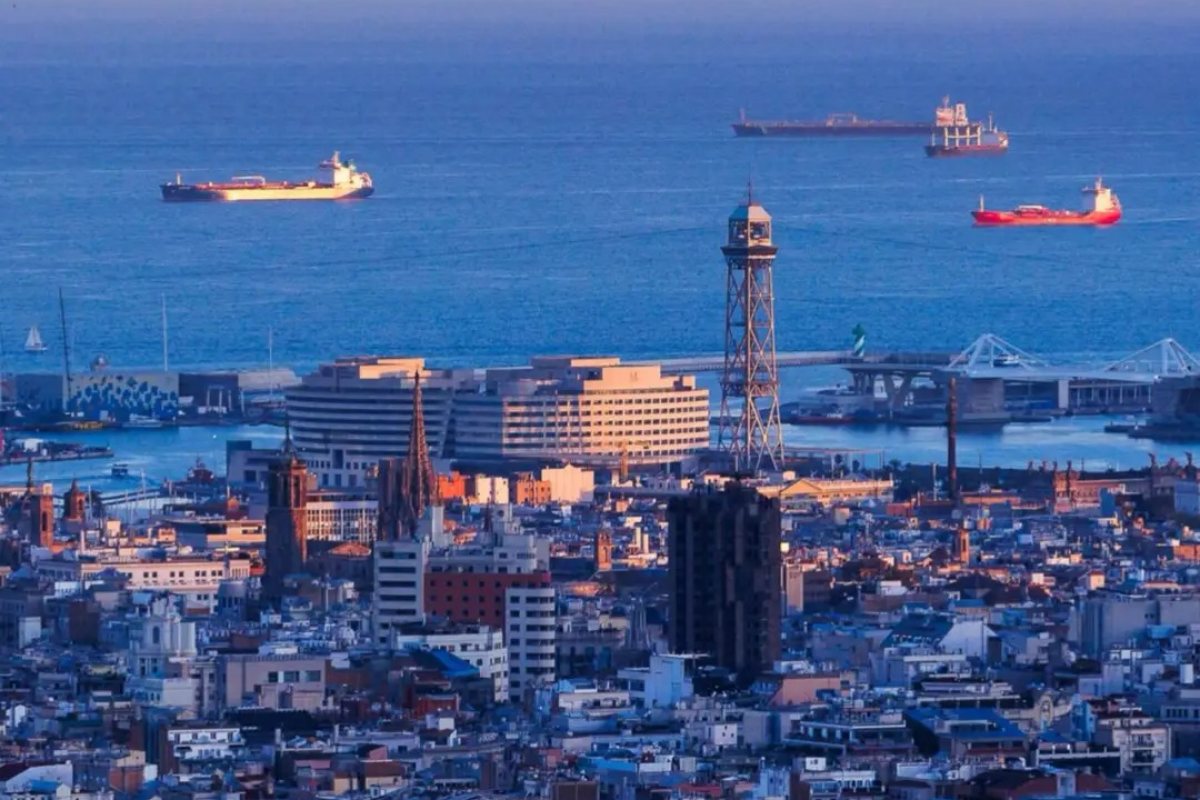
I’ve wandered through plenty of European cities, but Barcelona? It’s in a league of its own. This isn’t your typical European capital with predictable charm and orderly squares. Barcelona is where the continent lets its hair down and embraces pure creative chaos.
Perched on the northeastern tip of the Iberian Peninsula, Barcelona enjoys the best of both worlds: the Pyrenees shield it from harsh northern winds while the Mediterranean blesses it with endless warmth. The light here is something else entirely – golden, honey-thick, making even mundane streets look cinematic.
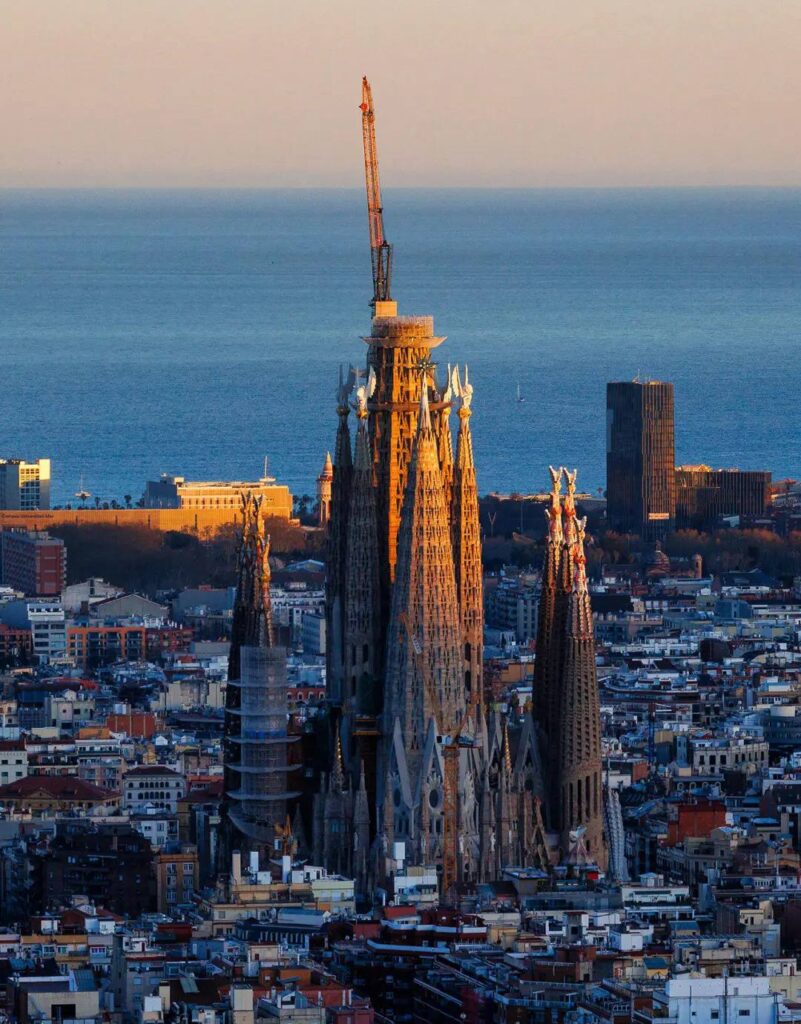
But what truly sets Barcelona apart is its artistic DNA. This city birthed and nurtured artistic mavericks like Picasso, Miró, Gaudí, Dalí, and Tàpies. Walk through Gaudí’s undulating Casa Batlló, get lost in Dalí’s time-warped paintings, or absorb Miró’s childlike cosmic visions – Barcelona’s rebellious, free-spirited soul flows through it all.
The Barcelona paradox: Ancient meets avant-garde, tradition crashes into innovation, rules bend to accommodate wild creativity. During major festivals, the streets transform into one massive celebration where strangers dance together the moment music starts. Yet these same Catalans fiercely protect their language and culture against centuries of suppression.
This compact, walkable city reveals new secrets with every turn. One visit hooks you, but understanding Barcelona? That takes a lifetime.
History: From Roman Walls to Olympic Glory
Barcelona’s story lives in every corner. Founded by Carthaginians in the 3rd century BC, conquered by Romans who called it “Barcino” – you can still trace those ancient defensive walls through today’s Gothic Quarter.
After nearly 200 years under Muslim rule, the “Reconquista” made Barcelona a Frankish territory and eventual seat of Aragonese royalty. Medieval Barcelona dominated Western Mediterranean politics and trade – the Gothic Quarter stands as testimony to this golden age (8th-15th centuries).
The dark chapter: September 11, 1714. Bourbon forces occupied Barcelona, marking what many Catalans still consider their “national shame day.” Catalonia lost its sovereignty, and Barcelona faced serious decline.
The comeback: Industrial Revolution sparked revival, especially Catalan cultural renaissance and the city’s historic expansion. This era produced the Modernist movement led by architectural genius Gaudí.
Recent history: Franco’s dictatorship brought fresh trauma, but the 1992 Olympics finally restored Barcelona’s international prominence.
This rollercoaster history explains Barcelona’s unique character – a city that’s tasted both triumph and defeat develops extraordinary resilience and depth.
Essential Films & Books
Movies That Capture Barcelona
All About My Mother (1999) Pedro Almodóvar’s masterpiece follows a single mother searching for her deceased son’s father. Montjuïc, Palau de la Música Catalana, Gothic Quarter, and Mediterranean coastlines all feature in this beautifully melancholic Barcelona.
Vicky Cristina Barcelona (2008) Two American women meet Spanish artist Juan during their Barcelona vacation. While locals debate the film’s authenticity, it definitely boosted Barcelona’s international profile. The Oviedo scenes add Asturian flavor.
Books Worth Reading
The Shadow of the Wind by Carlos Ruiz Zafón Post-WWII Barcelona becomes the backdrop for Daniel’s literary quest that turns into an adventure through the city’s dark past. Many locations from the novel exist in today’s Barcelona – perfect for literary tourism.
Homage to Catalonia by George Orwell Orwell’s firsthand account of fighting with Catalan militias during the Spanish Civil War. Essential reading for understanding Catalan-Spanish tensions and Catalan identity.
Spanish Travel Notes by Linda This Chinese author weaves thousand-year Spanish history into contemporary travel observations, offering deeper cultural context for visitors unfamiliar with Spain’s complex heritage.
Local Life: The Catalan Way
Identity matters: In Barcelona, “Catalan” and “Spanish” aren’t interchangeable terms. If someone emphasizes they’re Catalan, respect that distinction. Historical oppression created fierce cultural pride – you’ll see Catalan on street signs more than Spanish.
Traditions That Define Barcelona
Human Towers (Castellers): During major festivals, Catalans form incredible human pyramids in city squares – symbols of unity and courage.
Sant Jordi Day (April 23): Books and roses flood the streets. Barcelona becomes the Mediterranean’s most romantic city for one magical day.
Summer Living: Outdoor concerts, beach movies, solstice celebrations, neighborhood festivals – every day brings new activities.
Winter Gatherings: Families head to countryside for grilled spring onions with almond sauce (calçots). Christmas brings Caganer figurines – irreverent political commentary through defecating dolls.
The Barcelona Lifestyle
Don’t expect punctuality: 5-15 minutes late is standard. Their sunny optimism will eventually win you over.
Embrace the schedule: Long Mediterranean days mean “the night is young” mentality. Dinner happens around 9 PM, preceded by afternoon coffee or drinks. Locals decompress at cafes and bars before heading home – keeping negative energy out of family time.
Sunday reality: Most shops close. Family time is sacred and non-negotiable.
Catalans might seem more serious than other Spaniards, but underneath lies pure Mediterranean warmth. They’ve perfected the art of finding joy in seasonal rhythms and sharing good times with others.
Bottom line: Barcelona rewards those who embrace its creative chaos while respecting its deep cultural roots.
