
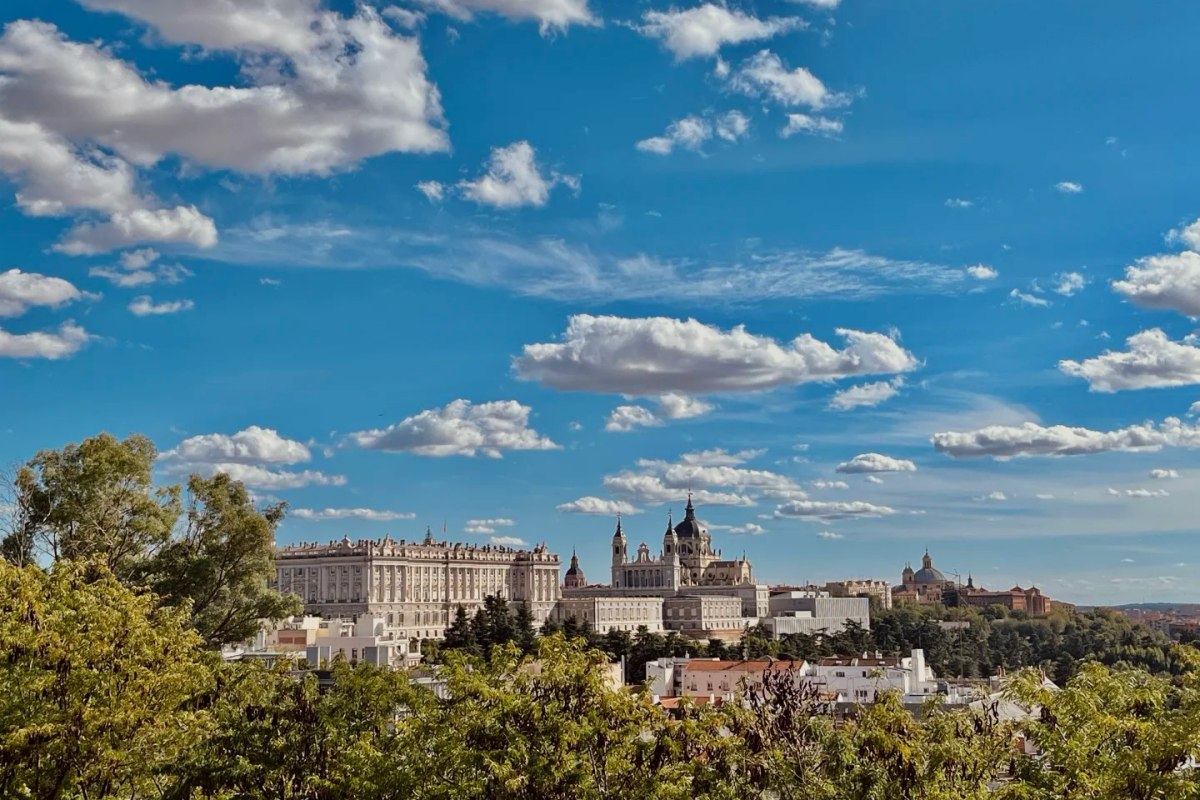
When Madrid’s Art Scene Becomes Your Obsession
Forget rushing through the Louvre with tour groups. Madrid’s art scene offers something far better: world-class masterpieces without the madness, plus enough authentic Spanish culture to make you forget why you ever considered this just a “museum trip.”
This three-day itinerary combines Madrid’s artistic treasures with the kind of local experiences that turn casual visitors into lifelong Madrid evangelists. You’ll see Picasso’s Guernica, sip vermouth like a local, and discover why Madrileños consider their city the cultural heart of Spain.
What makes this different: We’re not just gallery-hopping. Every museum visit pairs with neighborhood exploration, traditional meals, and evening entertainment that locals actually attend. By day three, you’ll understand why Madrid’s art scene isn’t just about what’s hanging on the walls.
Day 1: Modern Masterpieces & Jazz Nights
Theme: Contemporary art meets authentic Madrid nightlife
Late Morning: The Perfect Slow Start (10:00 AM)
La Infinito Café (Calle de los Tres Peces, 22) doesn’t open until 10 AM, which perfectly suits the Madrid rhythm. Their breakfast presentations are Instagram-worthy, but more importantly, the coffee is exceptional and the neighborhood vibe is authentically local.
Why this matters: Starting late isn’t laziness – it’s cultural integration. Madrileños don’t rush mornings, and neither should you.
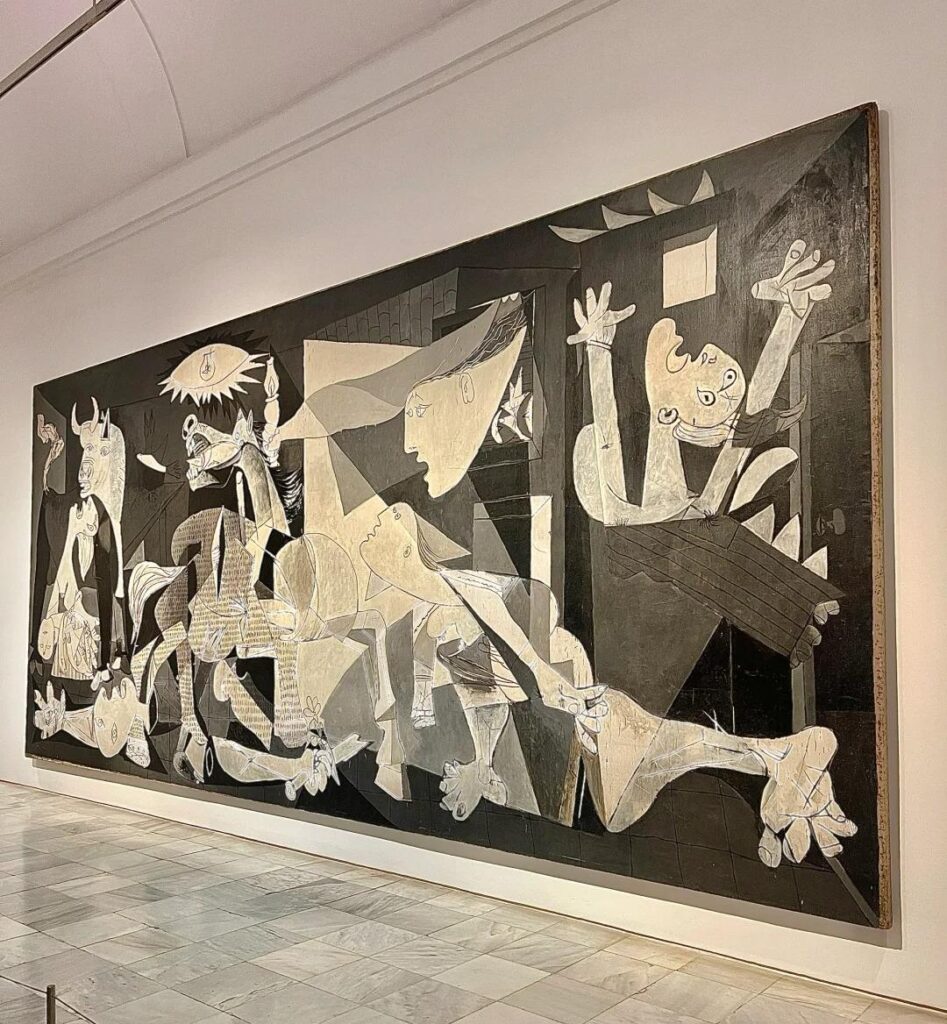
Morning to Afternoon: Reina Sofía Deep Dive (11:00 AM – 2:00 PM)
Reina Sofía Museum houses Spain’s premier modern art collection, including Picasso’s haunting Guernica. Unlike other major museums, you can actually get close to the masterpieces here without fighting crowds.
Insider strategy: Book timed entry tickets online, but don’t feel pressure to see everything. Quality time with fewer pieces creates better memories than rushing through every gallery.
Afternoon Fuel: Authentic Tapas (2:30 PM)
Lãmiak (Calle de la Rosa, 10) serves the kind of tapas that locals order after work. It’s small, unpretentious, and focuses on excellent ingredients rather than tourist presentation.
Local ordering tip: Point at what looks good on other people’s plates and order multiple small dishes to share. This isn’t fine dining – it’s social eating.
Afternoon Art: The Thyssen Collection (3:30 PM – 6:00 PM)
Thyssen-Bornemisza Museum completes Madrid’s “Golden Triangle” of art museums. The collection spans centuries and styles, offering context that makes the other museums more meaningful.
Why art lovers prefer Madrid: Three world-class museums within walking distance, minimal crowds, and enough variety to satisfy any artistic curiosity.
Evening: Real Madrid Jazz Culture (9:00 PM)
Café Central isn’t just one of Spain’s best jazz venues – it’s where locals go for serious music in an intimate setting. The programming features both Spanish and international artists, and the audience actually listens.
Cultural note: This is how Madrileños end cultured days – with live music, good drinks, and conversations that extend well past midnight.
Day 2: Archaeological Treasures & Vermouth Culture
Theme: Ancient history meets traditional Spanish leisure
Morning: Local Breakfast Ritual (9:30 AM)
La Vaca y la Huerta (Calle de Recoletos, 13) serves Madrid’s most talked-about tortilla española. If you’re visiting on weekends, grab breakfast at nearby Mallorca instead – both represent authentic Madrid morning culture.
The tortilla reality: Spain takes its potato omelet seriously. This isn’t just breakfast – it’s a cultural institution with passionate regional variations.
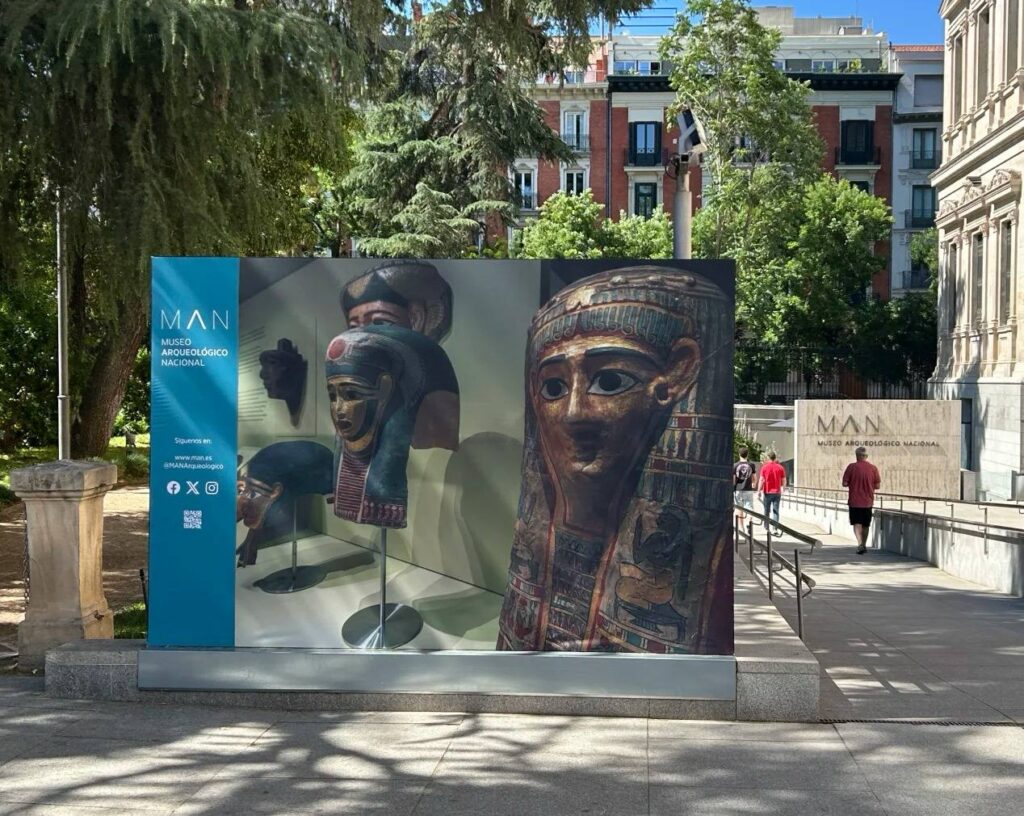
Morning Exploration: Spain’s Hidden History (10:30 AM – 12:30 PM)
National Archaeological Museum showcases Spain’s pre-Roman, Roman, and medieval heritage that most visitors never discover. The Iberian sculptures and Visigothic treasures provide context for everything else you’ll see in Spain.
Why this matters: Understanding Spain’s layered history makes every cathedral, palace, and city street more meaningful.
Midday Culture: Decorative Arts Deep Dive (1:00 PM – 2:30 PM)
National Museum of Decorative Arts near Victory Arch displays how Spanish nobility actually lived. The furniture, ceramics, and textiles show the craftsmanship behind Spain’s Golden Age wealth.
Afternoon Fuel: Traditional Spanish Lunch (2:30 PM)
García de la Navarra (Calle de Montalbán, 3) serves the kind of traditional Spanish meal that locals order for special occasions. Expect excellent service, quality ingredients, and prices that reflect the neighborhood’s upscale location.
Afternoon Masterpieces: The Prado Experience (4:00 PM – 7:00 PM)
Prado Museum houses the world’s finest collection of Spanish painting, including Velázquez’s Las Meninas and Goya’s dark masterpieces. Allow at least three hours – this collection demands serious attention.
Beginner’s strategy: Focus on Spanish masters rather than trying to see everything. The audio guide is worth the investment for understanding the historical context.
Evening: Retiro Park & Vermouth Tradition (7:00 PM – 9:00 PM)
Retiro Park provides essential green space and boat rentals on the central lake. It’s where locals decompress after intense cultural experiences.
Exit through Ibiza gate and head to La Hora Del Vermut (Calle de Fernán Gonzalez, 48) for authentic Spanish vermouth culture. This isn’t happy hour – it’s a serious Spanish tradition with specific rituals.
Dinner: Paella Done Right (9:30 PM)
Taberna Laredo (Calle del Dr. Castelo, 30) serves paella the way Spaniards actually eat it – as a social dinner dish prepared fresh for your table. Expect to wait, expect to share, and expect to understand why Spanish food culture prioritizes time over efficiency.
Day 3: House Museums & Sunset Temples
Theme: Intimate art spaces and ancient mysteries
Morning: Artist’s Garden Breakfast (10:00 AM)
Sorolla Museum combines world-class impressionist painting with Madrid’s most beautiful museum café. Joaquín Sorolla’s house and garden create an Andalusian oasis in central Madrid, and breakfast in the courtyard café feels like visiting a wealthy friend’s private collection.
Why house museums matter: They show how Spanish artists actually lived and worked, providing intimate context that major museums can’t match.
Late Morning: Romantic Era Immersion (11:30 AM – 12:30 PM)
Romanticism Museum recreates 19th-century Spanish domestic life with period rooms that transport you completely. It’s small enough to absorb thoroughly without museum fatigue.
Lunch: Century-Old Spanish Tradition (1:00 PM)
Bodega de la Ardosa (Calle de Colón, 13) has served traditional Spanish food for over 100 years without changing its approach. The interior feels like stepping into Spanish literary history, and the food represents regional traditions rather than tourist expectations.
Afternoon: Noble Collections & Ancient Mysteries (3:00 PM – 6:00 PM)
Cerralbo Museum displays one Spanish nobleman’s eclectic collection in his original palace setting. The rooms overflow with art, furniture, and curiosities that reveal Spanish upper-class obsessions.
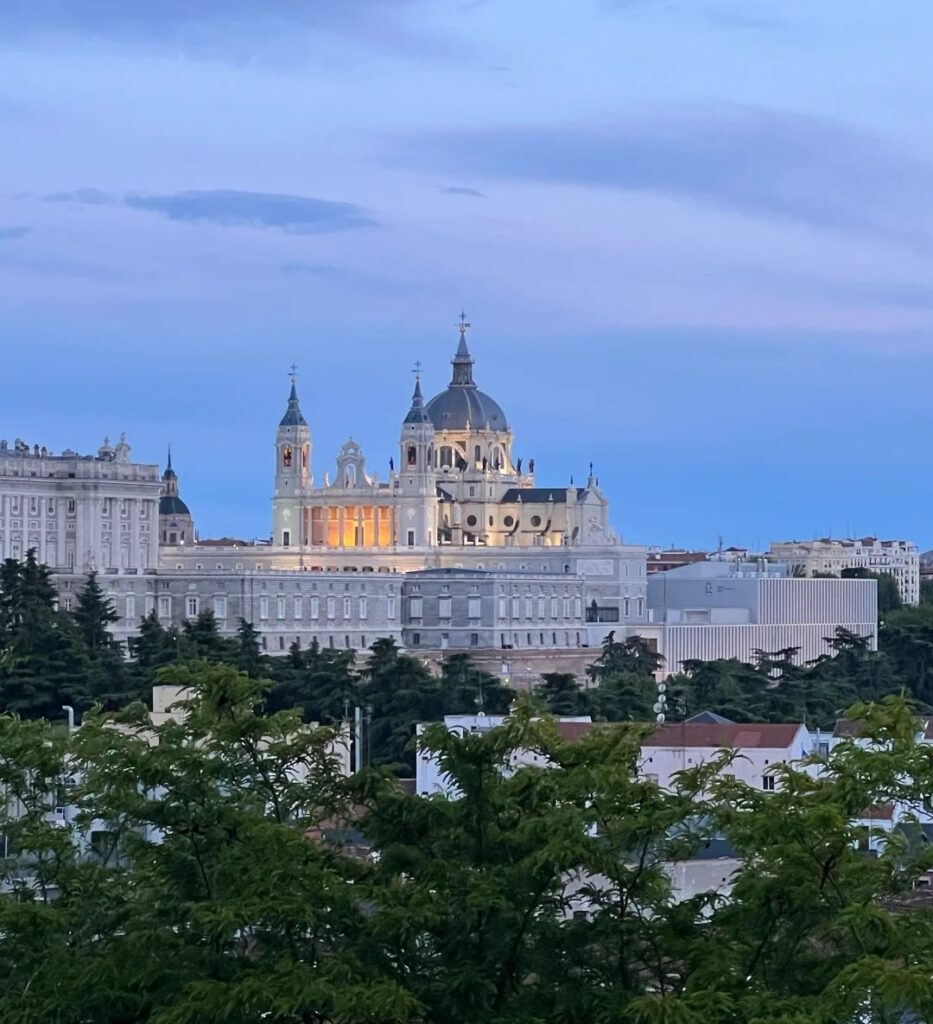
Temple of Debod offers something completely unexpected – an actual Egyptian temple relocated stone by stone to Madrid. Time your visit for golden hour when the ancient stones glow against the Madrid skyline.
The payoff: Watching sunset from a 2,000-year-old Egyptian temple while overlooking the Spanish capital creates the kind of surreal moment that defines memorable travel.
Evening Entertainment: Spanish Theater Culture (8:00 PM)
Madrid’s Gran Vía theaters offer Spanish-language productions of international musicals like The Lion King and Mamma Mia. Even if your Spanish is limited, the energy and production values showcase Madrid’s commitment to live entertainment.
Dinner: Madrid’s Signature Dish (10:00 PM)
La Bola (Calle de la Bola, 5) serves Madrid’s signature cocido madrileño (chickpea stew) the traditional way – multiple courses served from the same pot. Reservations are essential, and the ritual matters as much as the food.
Cultural insight: Cocido represents Madrid’s working-class roots and communal eating traditions. It’s comfort food elevated to cultural significance.
Smart Ticket Strategies
Museum Pass Options
Art Walk Pass: Covers Prado, Reina Sofía, and Thyssen-Bornemisza for significant savings if you’re visiting all three.
House Museums Combined Ticket: Includes Sorolla, Cerralbo, and Romanticism museums at reduced rates.
Money-saving reality: Individual museum tickets cost €15-25 each. Combination passes pay for themselves if you visit three or more venues.
Cultural Integration Tips
Spanish Art Appreciation Rhythm
- Museum mornings when crowds are lighter
- Long lunches between cultural activities
- Evening entertainment that locals actually attend
Dining Like an Art Lover
- Late breakfasts at museum cafés
- Tapas for sustenance, not meals
- Dinners that start after 9 PM and focus on conversation
Why Madrid’s Art Scene Wins
By day three, you’ll understand why Madrid attracts art lovers more than casual tourists. The combination of world-class collections, intimate venues, and authentic cultural integration creates experiences that major European capitals can’t match.
The Madrid advantage: You’re not just viewing art – you’re living in a city where culture, cuisine, and daily life blend seamlessly. That integration is what turns three-day visits into lifelong obsessions with Spain’s underrated capital.
