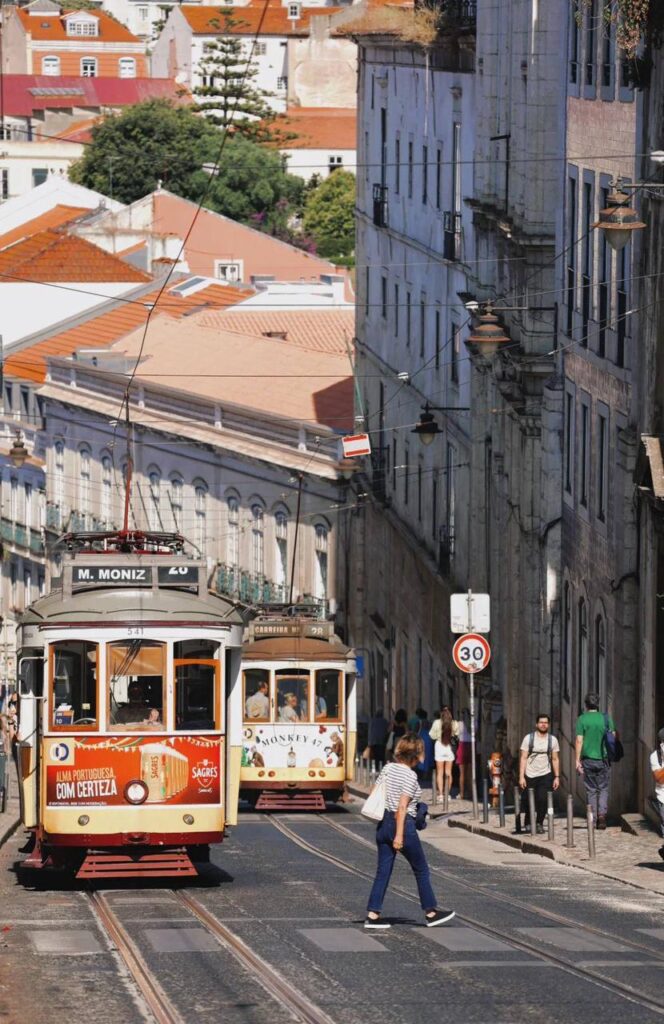
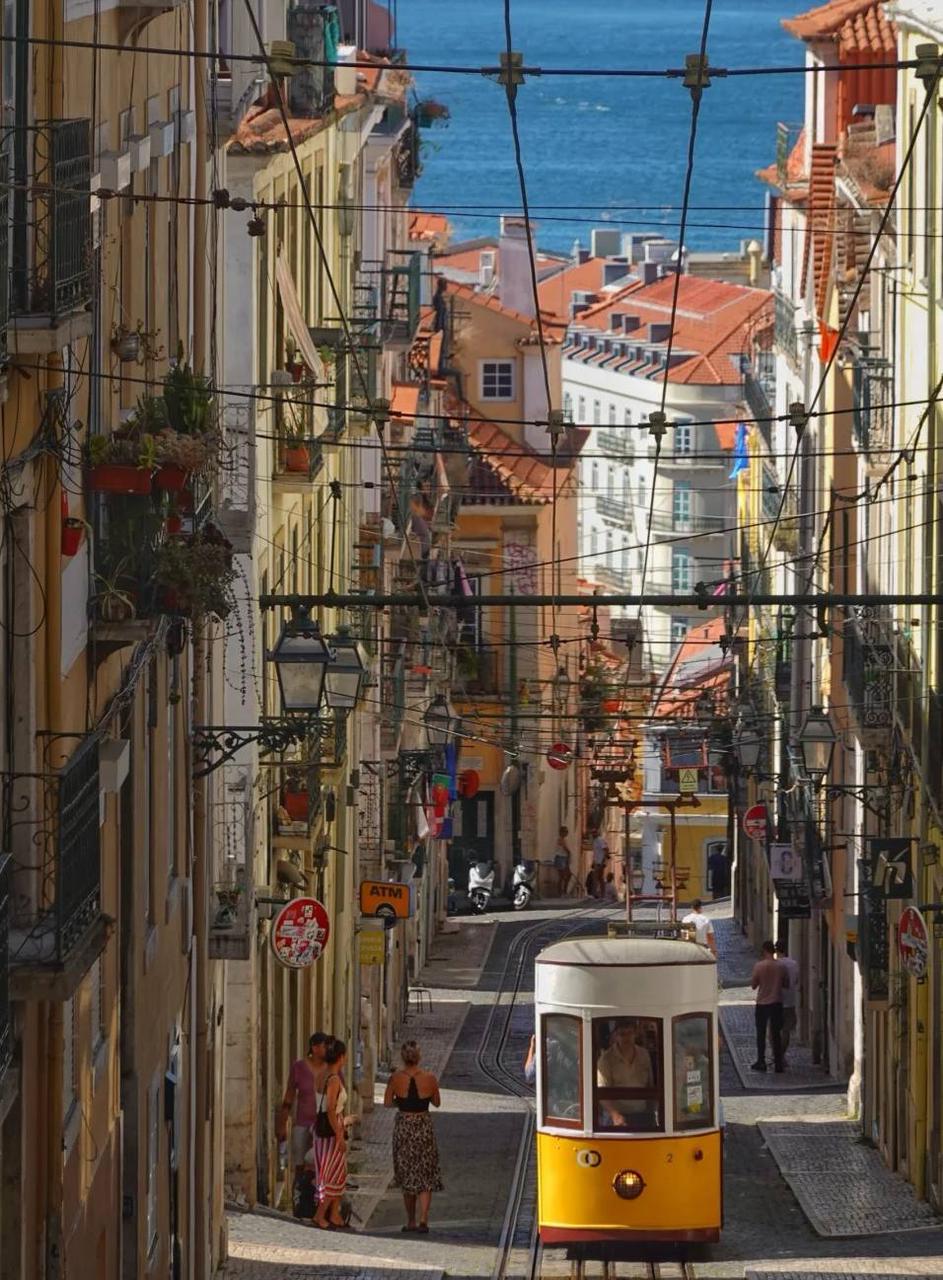
I didn’t expect Portugal to be the solo trip that changed how I travel—but it was.
Friendly locals, affordable food, safe streets, and just enough culture shock to keep things interesting—Portugal is low-stress in all the right ways.
But there were a few things I wish I’d known before arriving.
Here are 10 small tips that can make your solo trip to Portugal smoother, safer, and a lot more fun.
1. Portugal Is Friendly, But Not in a Rush
People are warm, helpful, and genuinely curious about travelers. But the pace? It’s slower than you might be used to in the U.S.
Buses might not be exactly on time. Cafés may take a while to bring your espresso. And no one’s in a rush—except maybe you.
Embrace the pause. Portugal rewards patience.
2. You’ll Eat Late—Like Really Late
In Portugal, lunch starts around 1pm, and dinner often begins after 8pm. Some restaurants won’t even open before 7:30.
If you’re used to early dinners, grab a snack around 5pm to tide you over.
This also means cities stay lively at night, so solo travelers rarely feel out of place dining alone.
3. English Works, But a Little Portuguese Helps
In Lisbon and Porto, you’ll get by just fine with English. But in smaller towns or local cafés, basic Portuguese greetings go a long way.
A simple “Bom dia” (good morning) or “Obrigado/a” (thank you) is always appreciated.
It’s not required—but it’s respectful. And you’ll feel more connected.
4. Yes, Portugal Is Safe for Solo Travelers
I walked Lisbon’s hills at night, took trains across the country, and hiked alone on coastal trails—and I felt safe the entire time.
Petty theft happens in crowded tourist spots, but violent crime is rare.
Just keep an eye on your belongings and trust your instincts. For solo female travelers, Portugal is one of the best places to start.
5. Bring the Right Shoes—The Sidewalks Are Slippery
Portuguese sidewalks are often made of small, polished tiles. Beautiful? Yes. But also slick, especially when wet.
Ditch the flip-flops and pack shoes with a decent grip.
Your ankles will thank you when you’re climbing cobbled hills in Alfama or exploring Porto’s stair-stepped alleys.
6. Cash Isn’t Dead—Bring Some Euro
Credit cards work in most restaurants, hotels, and shops.
But some cafés, bakeries, and even train stations only take cash—or charge extra for cards.
Keep 20–50 euros on you, just in case. ATMs are easy to find, but check for fees.
7. You’ll Need a Plug Adapter (and Maybe a Converter)
Portugal uses Type C and F plugs, with a 230V voltage.
If you’re coming from the U.S., you’ll need a European adapter—and for certain electronics like hair tools, a voltage converter too.
Most phone chargers and laptops are dual-voltage, but double-check before you plug in.
8. Tipping Isn’t a Big Deal—But It’s Still Nice
Unlike in the U.S., tipping isn’t expected in Portugal. But it is appreciated.
Round up your café bill, or leave 5–10% at a nice restaurant.
You won’t offend anyone if you don’t tip—but you might just make someone’s day if you do.
9. SIM Cards Are Cheap and Easy
Forget expensive roaming charges. You can get a local SIM card from Vodafone, MEO, or NOS at the airport or corner kiosks.
Expect to pay around €10–15 for several gigs of data.
Setup takes five minutes, and coverage is solid even in rural areas.
10. Portugal Is Perfect for a First Solo Trip
It’s safe. It’s welcoming. It’s affordable.
You’ll find culture in Lisbon, nature along the coast, great food in every town, and enough surprises to keep things exciting.
If you’re nervous about traveling alone, Portugal is the gentle push you didn’t know you needed.