
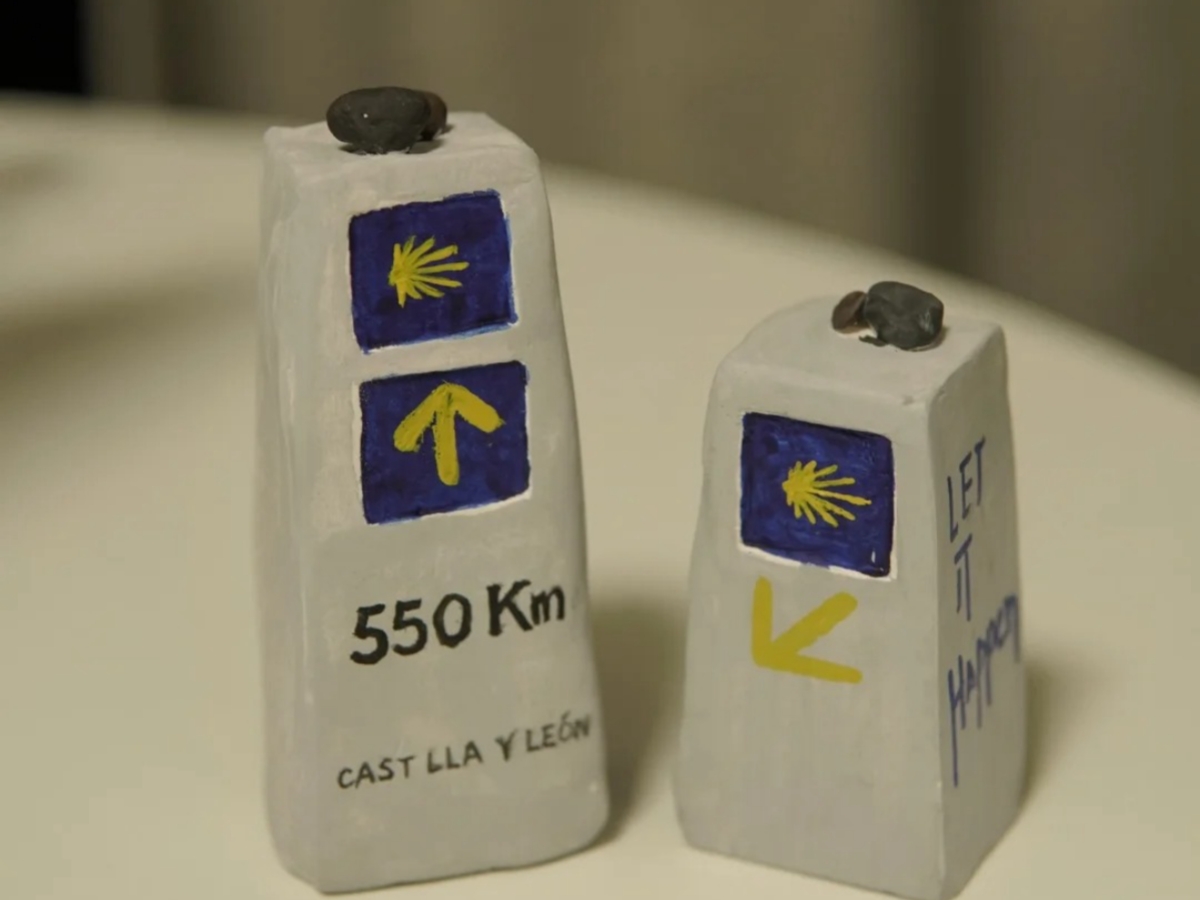
For over 1,000 years, The Santiago Ways have drawn millions of pilgrims across Europe to Santiago de Compostela, creating the world’s most famous walking pilgrimage. Whether you’re seeking spiritual transformation, cultural immersion, or the adventure of a lifetime, understanding The Santiago Ways is essential for anyone considering this remarkable journey.
This comprehensive guide covers everything you need to know about The Santiago Ways, from choosing your route to earning your certificate in Santiago’s magnificent cathedral.
What Are The Santiago Ways?
The Santiago Ways (Caminos de Santiago) represent a network of ancient pilgrimage routes converging on Santiago de Compostela in northwest Spain’s Galicia region. These sacred paths honor Saint James (Santiago), one of Jesus’s twelve apostles, whose remains are believed to rest in Santiago’s cathedral.
Historical Significance of The Santiago Ways
The Santiago Ways originated in the 9th century when a hermit reportedly discovered Saint James’s tomb guided by starlight. Word spread across medieval Europe, and pilgrims began walking to this remote corner of Spain, creating the routes we know today as The Santiago Ways.
By the 12th century, The Santiago Ways had become one of Christianity’s three major pilgrimages alongside Rome and Jerusalem. Medieval kings built bridges, hospitals, and churches to support pilgrims, establishing infrastructure that still serves modern walkers.
For detailed historical documentation of The Santiago Ways, the Official Pilgrim Office maintains comprehensive archives dating back centuries.
UNESCO Recognition
The Santiago Ways gained UNESCO World Heritage status in 1993, recognizing both the cultural routes and the architectural treasures along the paths. This designation has helped preserve and promote The Santiago Ways for future generations.
The Major Santiago Ways Routes
The Santiago Ways network encompasses over 20 traditional routes, but seven primary paths serve most modern pilgrims:
1. French Way (Camino Francés) – The Classic Santiago Ways Route
Distance: 780 kilometers
Duration: 35-40 days
Difficulty: Moderate
Starting Point: Saint-Jean-Pied-de-Port, France
The French Way represents the most popular and well-developed of The Santiago Ways. This route offers excellent infrastructure, clear waymarking, abundant accommodation, and an international pilgrim community.
Why choose this Santiago Ways route: Perfect for first-time pilgrims, excellent support services, rich historical sites, diverse landscapes from Pyrenees to Galician hills.
2. Portuguese Way (Camino Portugués) – The Emerging Santiago Ways Favorite
Distance: 240km (Porto) to 600km (Lisbon)
Duration: 12-25 days
Difficulty: Easy to Moderate
Starting Points: Porto or Lisbon, Portugal
The Portuguese Way has gained tremendous popularity as pilgrims discover its gentler terrain, excellent cuisine, and fewer crowds compared to other Santiago Ways routes.
Coastal vs. Central: The Portuguese Way offers both coastal and inland variants, allowing pilgrims to choose between ocean views or cultural immersion.
3. Northern Way (Camino del Norte) – The Scenic Santiago Ways Challenge
Distance: 815 kilometers
Duration: 32-35 days
Difficulty: Challenging
Starting Point: Irún, Spain
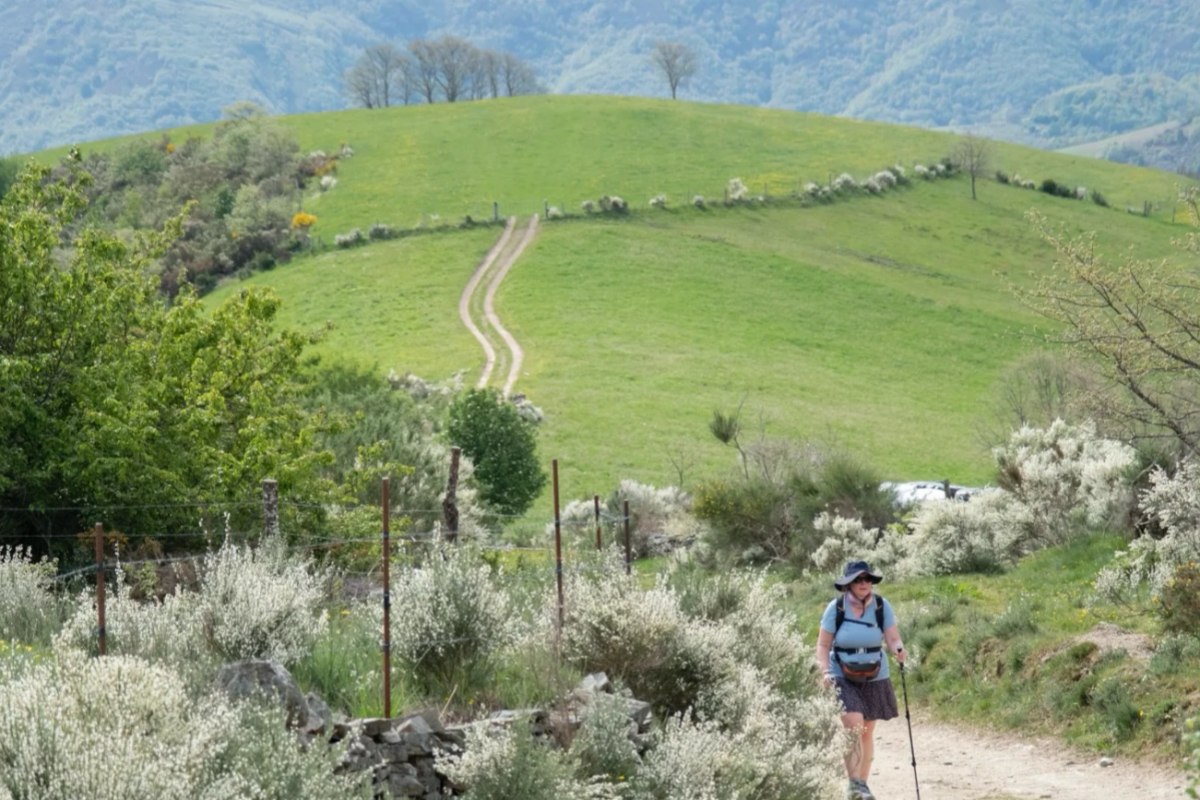
Following Spain’s northern coast, this Santiago Ways route provides stunning ocean views but demands more physical effort and offers fewer services than the French Way.
Best for: Experienced hikers seeking solitude, dramatic coastlines, and authentic Spanish culture away from tourist crowds.
4. Primitive Way (Camino Primitivo) – The Original Santiago Ways Path
Distance: 320 kilometers
Duration: 13-15 days
Difficulty: Very Challenging
Starting Point: Oviedo, Spain
The Primitive Way holds special significance as the first recorded Santiago Ways route, used by King Alfonso II in the 9th century. This mountain path offers incredible scenery but requires serious hiking experience.
5. English Way (Camino Inglés) – The Short Santiago Ways Option
Distance: 75-120 kilometers
Duration: 3-5 days
Difficulty: Easy
Starting Points: A Coruña or Ferrol, Spain
The English Way accommodates pilgrims arriving by sea, as British pilgrims did for centuries. This short Santiago Ways route perfect for time-limited travelers still wanting authentic pilgrimage experience.
6. Silver Way (Vía de la Plata) – The Longest Santiago Ways Journey
Distance: 1,000 kilometers
Duration: 38-42 days
Difficulty: Very Challenging
Starting Point: Seville, Spain
The Silver Way follows ancient Roman roads from southern Spain, offering cultural richness through Andalusia and Extremadura. This Santiago Ways route requires careful planning due to limited services and extreme summer heat.
7. Finisterre Way – Beyond The Santiago Ways
Distance: 90 kilometers
Duration: 3-4 days
Difficulty: Moderate
Starting Point: Santiago de Compostela
Technically extending beyond The Santiago Ways, the Finisterre route leads to the Atlantic coast – the medieval “end of the world.” Many pilgrims consider this essential for completing their spiritual journey.
Planning Your Santiago Ways Experience
Choosing Your Santiago Ways Route
First-time pilgrims: French Way offers the best introduction to The Santiago Ways with maximum support and minimum risk.
Experienced hikers: Northern Way or Primitive Way provide greater challenges and fewer crowds.
Time-limited travelers: English Way or final 100km of any route meets certificate requirements.
Cultural enthusiasts: Silver Way or Portuguese Way offer rich regional experiences.
For official route maps and current conditions, consult the Spanish Tourism Board’s Camino section and Gronze.com, the most trusted resource among experienced pilgrims.
Best Times for The Santiago Ways
Spring (April-May): Ideal weather, moderate crowds, full services available across all Santiago Ways routes.
Summer (June-August): Hot weather and peak crowds, especially on popular Santiago Ways like the French route.
Fall (September-October): Excellent conditions with fewer pilgrims and comfortable temperatures.
Winter (November-March): Limited services and challenging weather restrict most Santiago Ways routes.
Santiago Ways Accommodation
Albergues (Pilgrim Hostels): €8-15 per night, dormitory-style accommodation exclusive to Santiago Ways pilgrims.
Private Rooms: €30-50 per night, available in most towns along major Santiago Ways routes.
Hotels: €60-150 per night, found in larger cities along The Santiago Ways.
Santiago Ways Budget Planning
Daily expenses: €25-35 covers accommodation, meals, and incidentals for most Santiago Ways routes.
Total costs: Vary significantly based on route choice, accommodation preferences, and duration.
Money-saving tips: Cook meals when possible, choose albergues over hotels, walk during shoulder seasons.
The Santiago Ways Cultural Experience
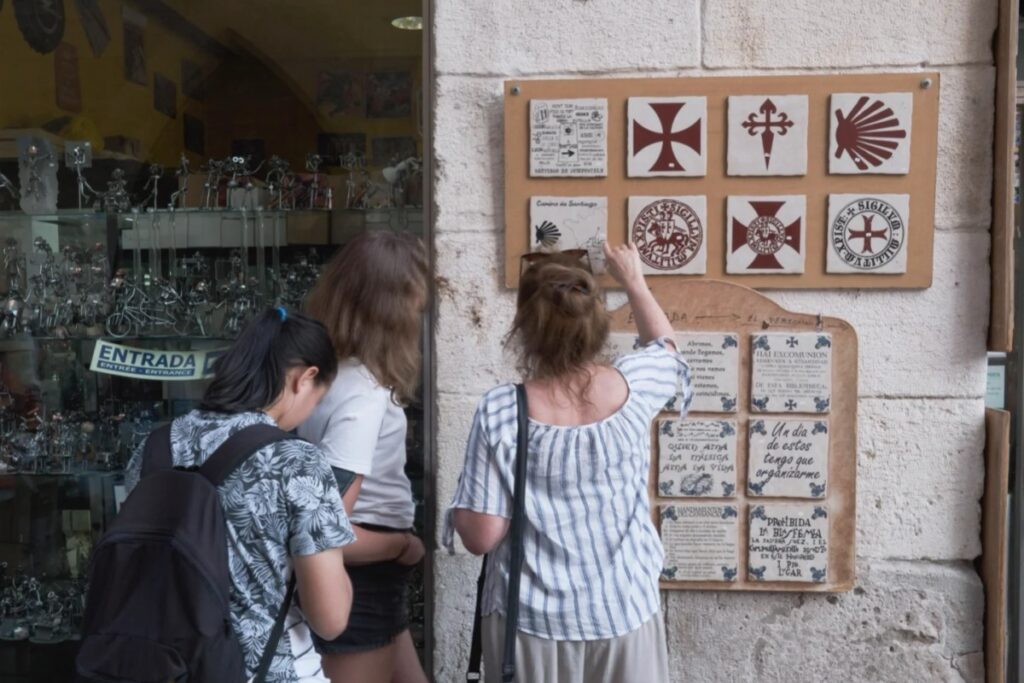
Sacred Symbols and Traditions
The Santiago Ways feature distinctive symbols that guide and inspire pilgrims:
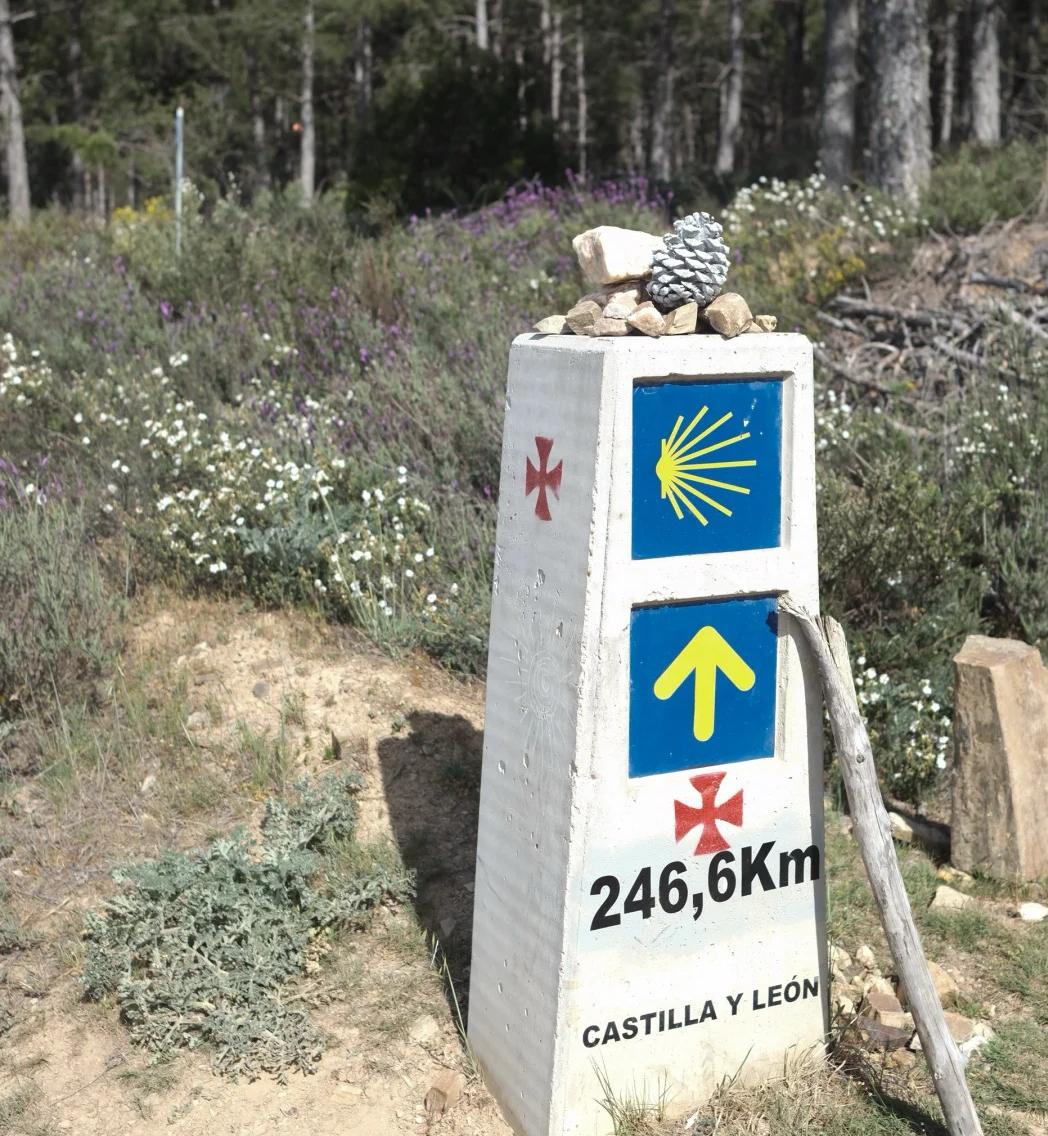
Scallop Shell: The iconic Santiago Ways symbol worn by pilgrims for over 1,000 years.
Yellow Arrows: Modern waymarkers directing pilgrims along all Santiago Ways routes.
Santiago Cross: The distinctive sword-shaped cross honoring Saint James.
Pilgrim Passport and Certificates
All Santiago Ways pilgrims carry credentials (pilgrim passports) stamped daily at churches, albergues, and cafés. These documents prove completion and enable:
Compostela Certificate: Awarded to pilgrims completing minimum 100km walking or 200km cycling on any Santiago Ways route.
Distance Certificate: Optional detailed record of specific Santiago Ways journey for €3.
University Certificate: Special recognition for student pilgrims completing Santiago Ways routes.
Santiago Ways Community
The Santiago Ways create unique international communities where strangers become family through shared challenges. Pilgrims from every continent, age group, and background unite around common goals of reaching Santiago.
Pilgrim associations: Connect with American Pilgrims on the Camino or Confraternity of Saint James for pre-departure support and local chapters.
Modern Santiago Ways: Beyond Religion
While The Santiago Ways originated as Christian pilgrimage, modern walkers pursue diverse motivations:
Spiritual seeking: Finding meaning, purpose, or peace through contemplative walking.
Cultural exploration: Experiencing Spanish history, architecture, and regional cuisines.
Physical challenge: Testing endurance, losing weight, or recovering from illness.
Life transitions: Processing career changes, relationships, or major decisions.
Adventure travel: Unique vacation combining exercise, culture, and achievement.
The Santiago Ways welcome all sincere motivations, creating inclusive communities that transcend religious, cultural, and linguistic boundaries.
Santiago Ways Safety and Preparation
Essential Preparation
Physical training: Build endurance gradually over 2-3 months before starting any Santiago Ways route.
Gear selection: Invest in quality boots, backpack, and weather protection suitable for your chosen Santiago Ways path.
Route research: Study your selected Santiago Ways route thoroughly, including accommodation options and weather patterns.
Health and Safety
Emergency contacts: Know Spain’s emergency number (112) and carry comprehensive travel insurance.
Common challenges: Blisters, dehydration, and overuse injuries affect many Santiago Ways pilgrims.
Medical facilities: Major towns along popular Santiago Ways routes offer medical services and pharmacies.
Emergency information: Spain’s official emergency number is 112. For travel safety updates, check Spain’s Ministry of Health for current health recommendations.
The Santiago Ways Legacy
Completing any of The Santiago Ways creates lasting transformation extending far beyond the physical journey. Pilgrims consistently report:
Enhanced confidence: Proving capability of extraordinary achievement.
Cultural appreciation: Deep understanding of Spanish history and European heritage.
Lasting friendships: International connections formed through shared experience.
Life clarity: Perspective gained through weeks of contemplative walking.
Physical fitness: Improved health and endurance from sustained daily exercise.
The Santiago Ways represent more than vacation or adventure – they offer opportunity for genuine personal transformation through one of humanity’s oldest and most meaningful journeys.
Complete Santiago Ways Planning Resources
Ready to plan your Santiago Ways journey? Our comprehensive guide series covers everything first-time pilgrims need:
Essential Planning
- First Camino Guide: How to Choose Your Perfect Route – Compare all major routes and find your ideal path
- When to Walk the Santiago Ways: The Ultimate Seasonal Guide – Best timing for weather, crowds, and costs
Practical Preparation
- The Ultimate Camino Packing List: What Really Matters on the Trail – Essential gear and weight-saving tips
- First Camino Guide: 5 Travel Methods for Your First Pilgrimage – Walking, cycling, and alternative options
Cultural Understanding
- First Camino Guide: Sacred Symbols and Signs That Define Your Journey – Decode scallop shells, yellow arrows, and pilgrim traditions
- First Camino Guide: Unlock Pilgrim Passport Secrets & Earn Your Certificate! – Stamps, certificates, and official requirements
Whether you walk 100 kilometers or 1,000, The Santiago Ways offer extraordinary journey that millions of pilgrims have treasured for over a millennium. Choose your route, prepare thoroughly, and discover why The Santiago Ways continue transforming lives one step at a time.
