
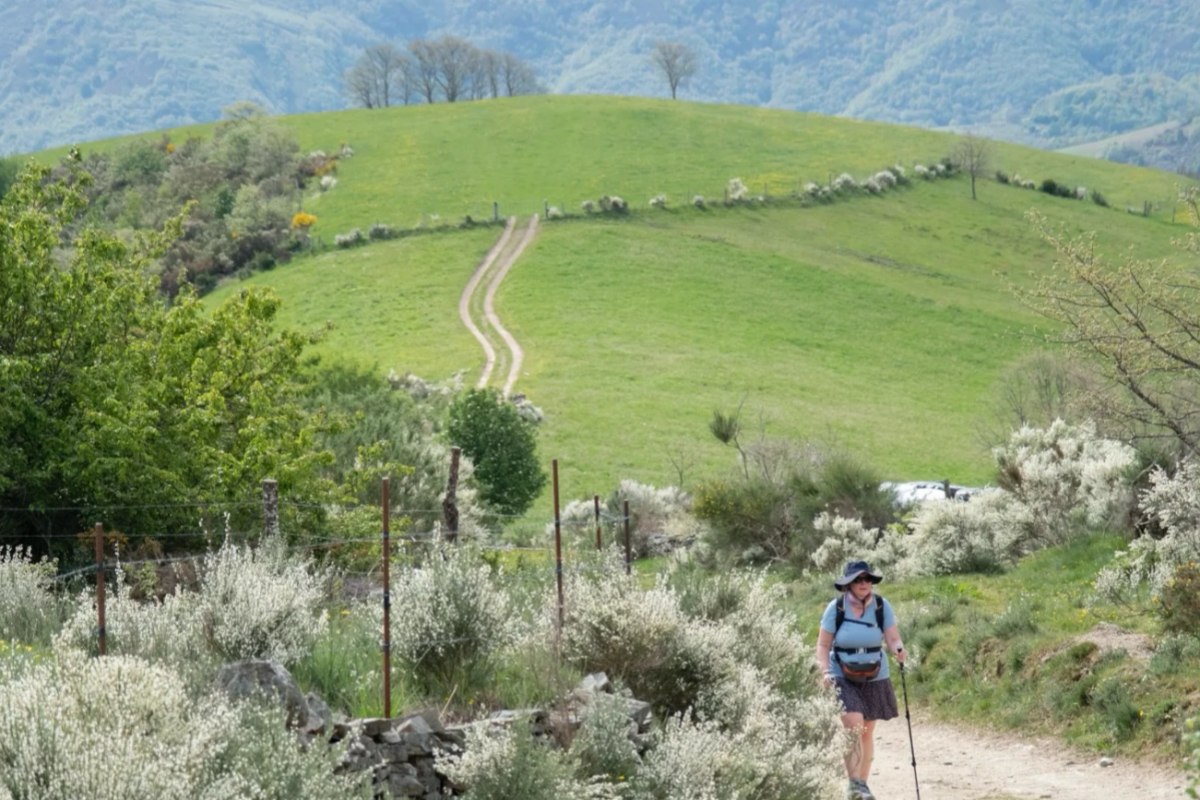
After walking different Santiago Ways across four different seasons, I’ve learned the hard way that timing isn’t just important – it’s everything. Choose wrong, and you’ll be miserable. Choose right, and you’ll have the adventure of a lifetime.
For more detailed Santiago Ways planning, check out our complete Santiago Ways guide covering all routes and essential preparation tips.
The Weather Reality Check
The French Way crosses two completely different climate zones, which means your gear and expectations need to adapt as you walk west.
Mediterranean Zone (Start to León): From Saint-Jean-Pied-de-Port through most of northern Spain, you’re dealing with classic continental weather. Winters hit 2-10°C with around 70 days of snow and frost annually – particularly brutal in Burgos, Palencia, and León provinces. Summer brings scorching 40°C days but stays relatively dry.
Atlantic Zone (Galicia): The final stretch into Santiago is a completely different beast. Ocean climate means over 100 rainy days annually, constant drizzle, and temperatures that hover around 8-14°C in winter, 18-21°C in summer.
Daylight hours matter more than you think: Winter gives you roughly 8am-6pm of daylight. Summer stretches from 7am-9pm, with the San Juan Festival in July pushing sunset close to 11pm.
For current weather forecasts and seasonal conditions, Spain’s meteorological service provides the most accurate regional breakdowns.
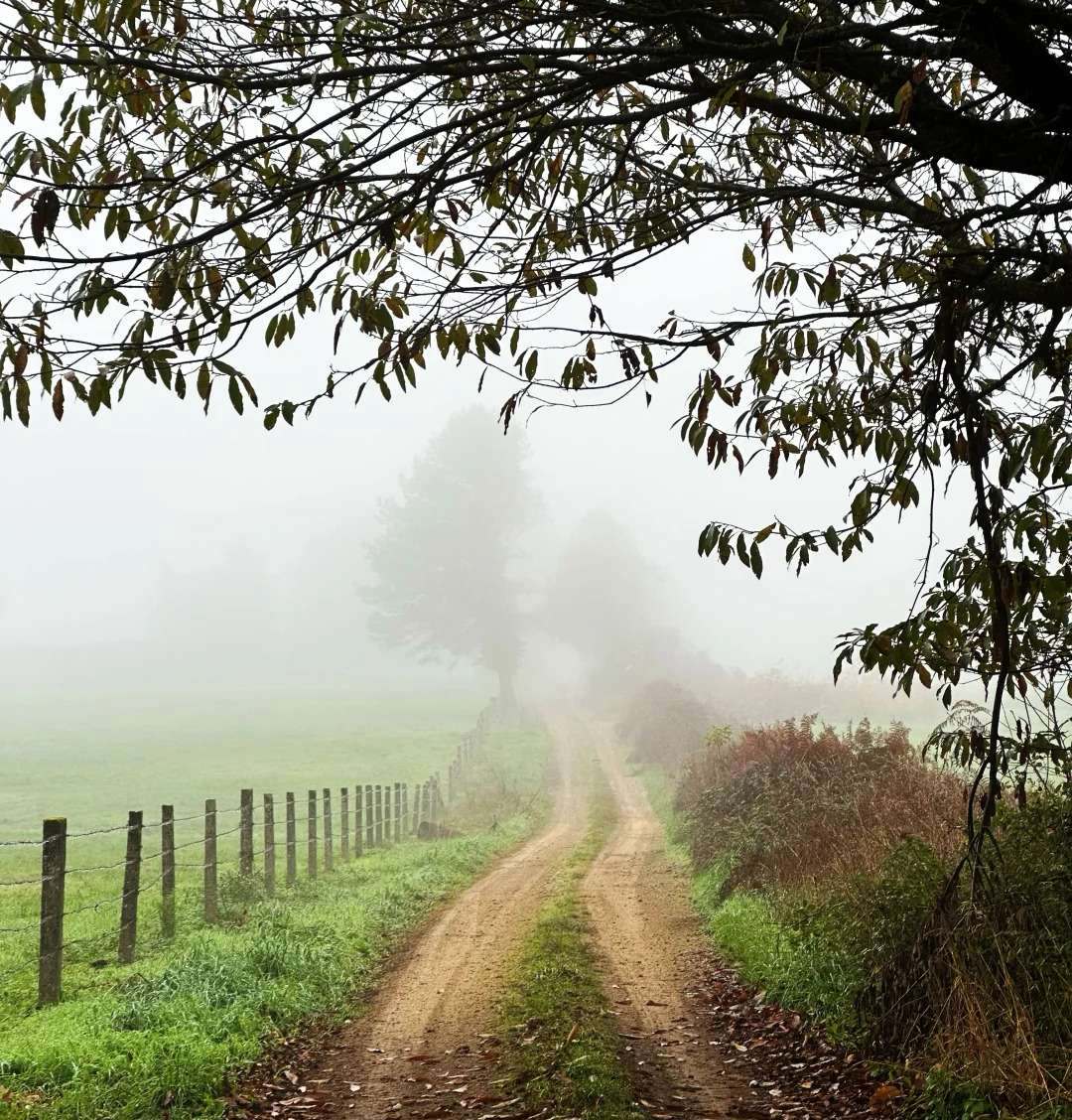
The 4 Best Times to Walk
1. May-June: The Golden Months (★★★★★)
This is pilgrim paradise. Mild temperatures, minimal rain, longer days, and albergues opening after winter closures. Accommodation books up but isn’t impossible to find.
Why it works: Perfect 15-20°C walking weather, countryside in full bloom, reasonable crowd levels.
Book ahead: Popular stages like Sarria-Santiago fill quickly during these months.
2. September: The Sweet Spot (★★★★★)
Post-summer perfection. Weather matches May-June but with fewer crowds as summer holidays end. This is my personal favorite time to walk.
Insider tip: First two weeks of September are ideal before autumn rains begin.
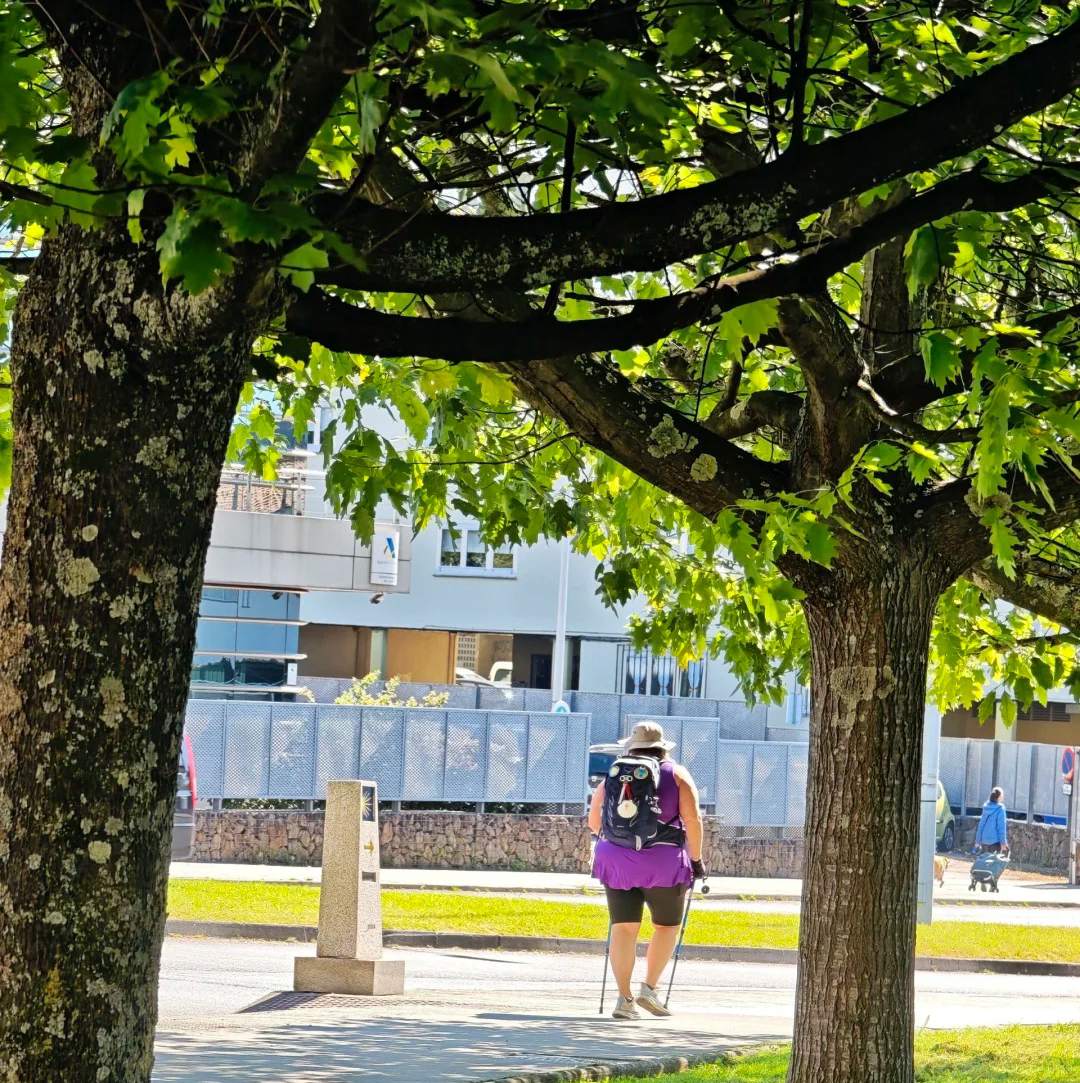
3. July-August: Peak Season Reality (★★★☆☆)
Brutally hot (up to 40°C), crowded beyond belief, and expensive. But if it’s your only option, here’s how to survive:
- Start walking by 6am to beat the heat
- Take midday siestas (12-4pm)
- Book accommodations weeks in advance
- Budget extra for inflated prices
- Carry more water than you think you need
Real talk: I’ve seen people quit during 42°C heat waves in Castilla. If you’re heat-sensitive, avoid these months.
4. March-April: The Wildcard (★★★☆☆)
Temperature-wise, it’s pleasant. Rain-wise, you’re gambling with Spanish roulette, especially in Galicia where I’ve been soaked for days straight.
The upside: Easter processions are spectacular if you time it right, and crowds are minimal.
Pack accordingly: Waterproof everything and accept that you’ll be walking in rain.
October-February: Only for Masochists (★☆☆☆☆)
Unless you’re training for Arctic expeditions, skip these months. Snow, ice, closed albergues, brutal Galician storms, and 8 hours of daylight make this genuinely dangerous.
Exception: Die-hard winter hikers with serious gear can find incredible solitude, but most services shut down.
Special Considerations by Route
Portuguese Way: Coastal sections are more weather-dependent. Atlantic storms in winter make this route particularly challenging.
Northern Way: Follows the coast, so expect more rain year-round but milder temperatures.
Primitive Way: Mountain terrain means weather changes rapidly. Avoid winter completely.
For route-specific weather patterns, the Camino Weather Network tracks conditions along major paths.
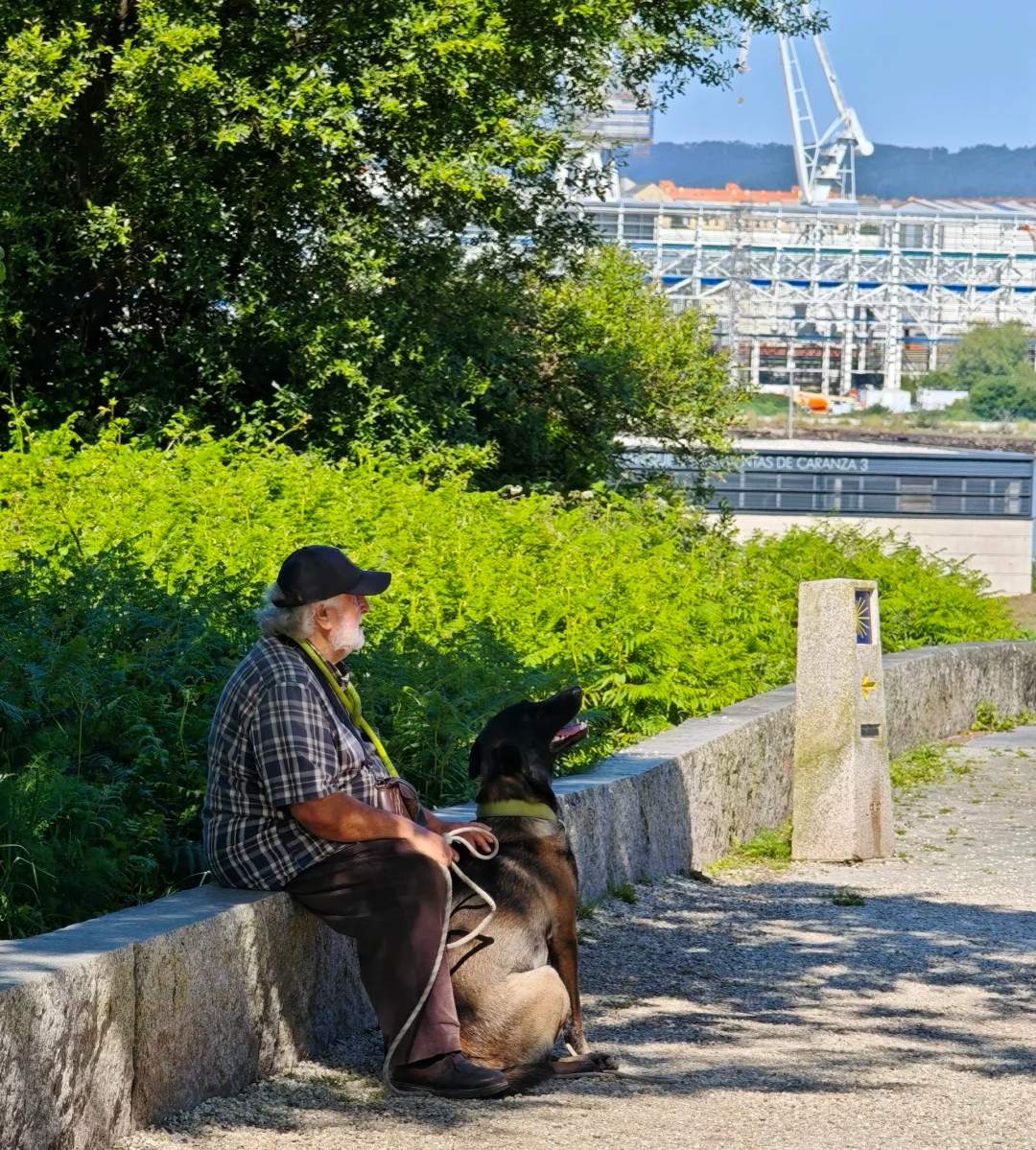
The 100km Strategy
Walking just the final 100km (Sarria to Santiago) changes everything. With only 4-5 days needed, you can wait for good weather windows in any season. I’ve done successful December walks this way when I couldn’t commit to full routes.
Pro tip: Book Sarria accommodation first – it’s the most competitive due to 100km certificate seekers.
Budget Reality by Season
Peak season (July-August): Expect 30-50% higher accommodation costs, longer restaurant waits, and limited last-minute options.
Shoulder seasons (May-June, September): Normal pricing with good availability.
Off-season: Cheapest rates but many services closed, especially smaller albergues.
The Santiago Ways weather isn’t just about comfort – it’s about safety and enjoyment. I’ve seen too many first-time pilgrims struggle because they underestimated seasonal challenges. Choose your timing wisely, and the Camino will reward you with memories worth every step.
New to the Santiago Ways? Start with our complete introduction to all pilgrimage routes for essential background and route overviews.
