Planning your first Camino and wondering how to actually get to Santiago? After watching thousands of first-time pilgrims tackle this journey using everything from medieval horses to modern mountain bikes, I’ve learned that your travel method shapes your entire experience. Each approach has hardcore devotees and specific challenges you need to understand before committing.
For complete background on Santiago Ways routes and planning, check our Santiago Ways introduction guide covering all essential route information.
Walking: The First Camino Guide Classic
Walking remains the most popular and traditional method for good reason – it connects you to centuries of pilgrim tradition while forcing the slow pace that makes transformation possible.
Why walking works for first Camino guide users: No rush, deep cultural immersion, easiest accommodation access, authentic pilgrim experience
Daily reality: 20-25 kilometers averaging 4-6 hours of walking
Perfect for first-timers: Those seeking spiritual experience, budget travelers, anyone wanting the full cultural immersion
The walking pace lets you absorb everything – morning mist over Galician hills, conversations with fellow pilgrims, and that incredible sense of earned achievement when Santiago’s spires finally appear.
Cycling: Fast but Demanding First Camino Guide Option
Cycling has exploded in popularity among first-time pilgrims, though it’s definitely not traditional. You’ll cover 50-75 kilometers daily – roughly triple a walker’s pace – completing the 800-kilometer French Way in about 15 days.
The reality check for first Camino guide followers: This is the most physically demanding option. Steep climbs, rocky descents, and rough stone paths will test your limits. Add rain and wind, and you’re in for serious suffering.
Essential Cycling Preparation for First-Time Pilgrims
Required safety gear: Helmet, wind-resistant glasses, reflective gloves and vest, waterproof rain gear
Navigation tools: Bike computer, panniers for gear distribution, spare parts and repair tools
Emergency supplies: Water, salt, sugar for preventing dehydration and energy crashes
Key maintenance skills: Learn to fix punctures, dropped chains, and basic mechanical issues before departure
First Camino Guide Cycling Etiquette
Respect walkers: Slow down when passing hikers. Many consider speeding cyclists dangerous and disrespectful to Camino traditions.
Weather windows for beginners: Avoid rainy winter/spring and blazing July-August. Late May through early June and early September offer ideal conditions.
Accommodation reality: Many albergues prioritize walkers, forcing cyclists into private accommodations more often
Certificate requirement: Complete minimum 200 kilometers to earn your Compostela
Speed management: Don’t rush past walking pilgrims. On crowded sections, dismount and walk your bike to show respect.
Horse Riding: Medieval First Camino Guide Experience
Surprisingly, this seemingly crazy option represents one of the most traditional methods, dating to medieval times when nobles rode to Santiago.
Modern reality for first-time pilgrims: Today’s infrastructure makes horse travel extremely complicated and expensive. Many roads and cities prohibit horses, forcing elaborate logistics.
Professional services: Companies like Hípica Rabadeira (www.asantiagoacaballo.com) arrange complete horse pilgrimages, handling transportation, routes, and accommodations.
Why first Camino guide users might consider it: Ultimate traditional experience, unique perspective, guaranteed conversation starter
Why most skip it: Massive cost, limited route options, complex logistics that overwhelm first-time pilgrims
Driving: The Controversial First Camino Guide Choice
Let’s be honest – driving isn’t considered real pilgrimage by most people. The Pilgrim Office won’t issue certificates for car travelers, and you’ll get zero respect from walking pilgrims.
When it makes sense for first-timers: Physical limitations preventing walking/cycling, research trips, family travel with small children, cultural tourism focus
Daily distances: 100-200 kilometers, allowing stops at major highlights
Route reality: You’ll follow highways rather than historic paths, missing the authentic trail experience entirely
Budget consideration: Often more expensive than walking when including fuel, tolls, parking, and accommodation
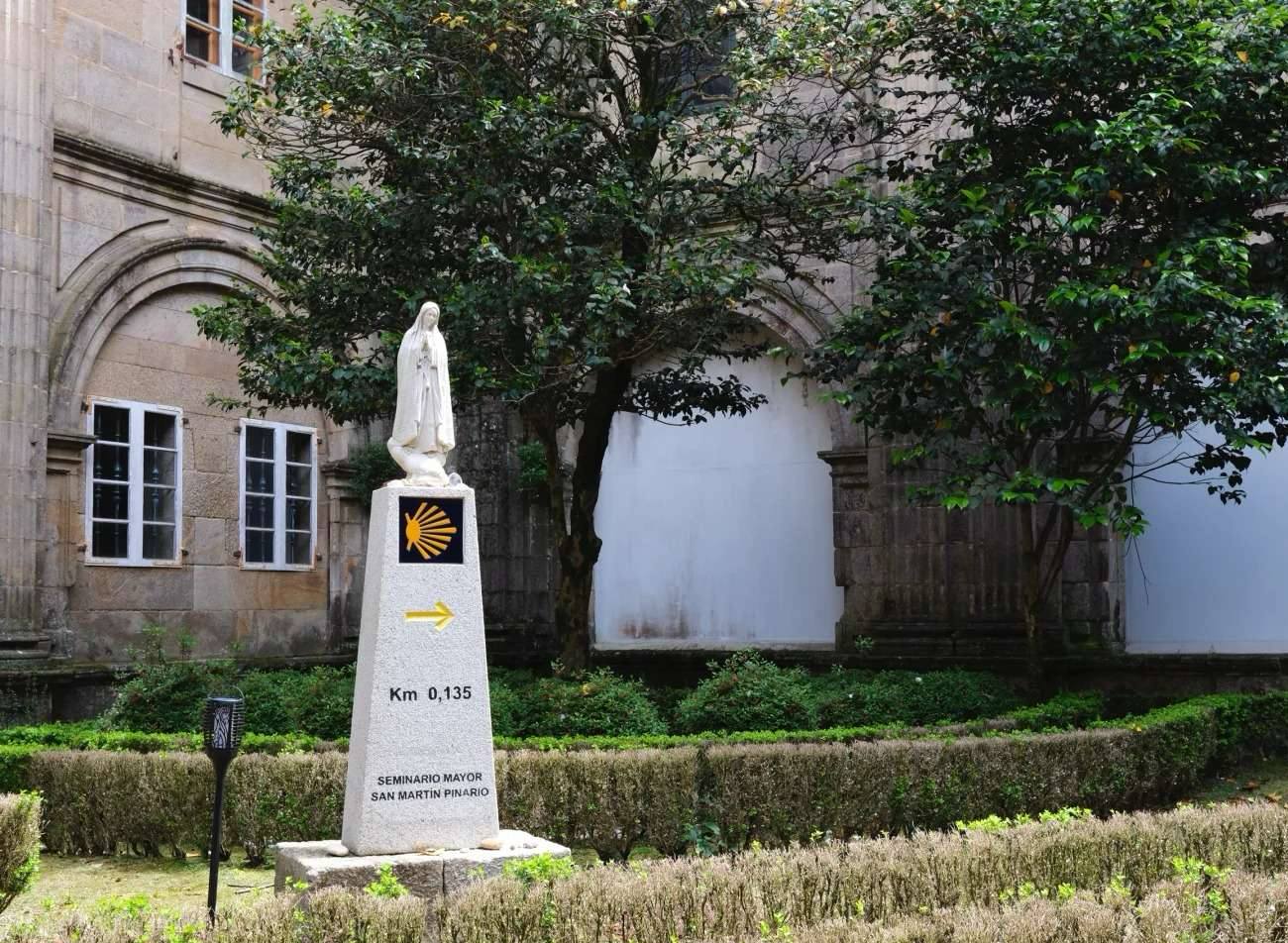
Maritime Routes: Historical First Camino Guide Connections
The English Way includes boat sections, connecting to centuries-old tradition of British pilgrims sailing to Galician ports.
Historical context for first-time pilgrims: Records show 3,000+ pilgrims arrived by ship from Britain before the 15th century
Modern ports: Ferrol (110km from Santiago) and A Coruña (96km from Santiago) remain the traditional arrival points
Why it matters for first Camino guide users: This method honors specific historical pilgrim routes used for over 500 years
Planning note: Usually combined with walking for the final overland section
First Camino Guide Method Selection Strategy
First-time pilgrims seeking authentic experience: Walking offers the complete experience with manageable daily challenges
Time-limited first Camino guide users: Cycling covers maximum distance quickly, but demands serious fitness
History enthusiasts: Horse riding provides authentic medieval experience (with modern price tag)
Physical limitations: Driving enables Santiago Ways exploration without demanding fitness requirements
Adventure seekers: Maritime connections add unique historical dimension to your journey
The beauty of your first Camino guide experience lies in understanding that each travel method creates different transformations. Walking pilgrims develop patience and endurance. Cyclists build physical strength and technical skills. Horse riders connect with medieval traditions. Even drivers gain cultural appreciation through historic site visits.
Your first Camino guide journey succeeds regardless of chosen method because the destination remains constant – that moment when Santiago’s cathedral bells ring across the plaza and you realize you’ve completed something extraordinary.
Choose what fits your body, budget, and time constraints, then commit completely to the experience. The Camino rewards authentic effort in whatever form it takes.
Planning your first Camino guide adventure? Start with our Santiago Ways introduction guide for essential route planning and preparation information.
