
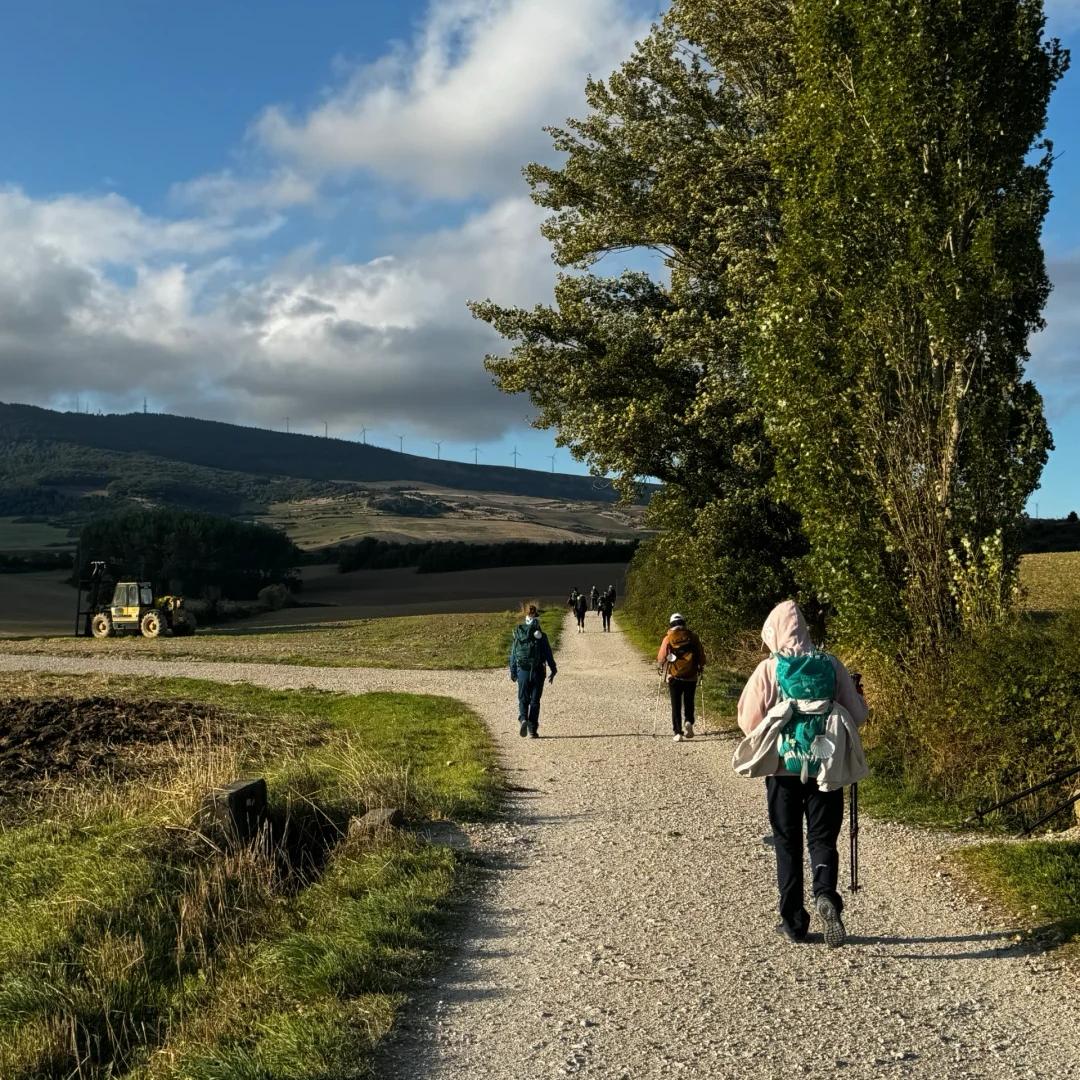
Walking the Camino Francés changed my life in ways I never expected. This isn’t just another hiking trail – it’s a 775-kilometer journey through history, culture, and personal transformation that has captivated pilgrims for over a thousand years.
The Story Behind the Most Famous Pilgrimage Route
When medieval European pilgrims set their sights on the “Field of Stars” (Santiago de Compostela), their footsteps gradually carved out what would become the most celebrated pilgrimage route in the world. By the late 11th century, powerful Iberian kings – including Sancho III of Navarre, Sancho Ramírez of Navarre and Aragon, and Alfonso VI of Castile – actively promoted the Santiago pilgrimage, funding churches, bridges, hospitals, and inns that solidified the French Way’s route.
The mystical 12th-century Latin manuscript “Codex Calixtinus” gave the pilgrimage its legendary status. According to its pages, Saint James appeared to Charlemagne in a vision, revealing that following the Milky Way would lead to the pilgrimage route. Remarkably, the French Way does align with the galaxy’s shape – a coincidence that still gives me chills when I look up at the night sky from my sleeping bag.
This ancient text wasn’t just spiritual propaganda; it was Europe’s first travel guide, detailing the route, architectural highlights, and local customs with surprising accuracy. Much of what it described nearly 900 years ago remains true today.
Route Overview: From Pyrenees to Atlantic
Total Distance: 775 kilometers (481 miles) Starting Point: Saint-Jean-Pied-de-Port, France Ending Point: Santiago de Compostela, Spain Average Duration: 30-35 days
The journey begins in the charming French town of Saint-Jean-Pied-de-Port, where three French pilgrimage routes converge. From here, you’ll cross the natural border between France and Spain – the dramatic Pyrenees Mountains – reaching the Spanish border town of Roncesvalles (Orreaga in Basque).
Regional Highlights:
- Navarre: Home of the Running of Bulls and Basque culture
- La Rioja: Spain’s premier wine region with world-class vineyards
- Castilla y León: Vast central plains with Gothic cathedrals and medieval towns
- Galicia: Green Atlantic coast region and your final destination
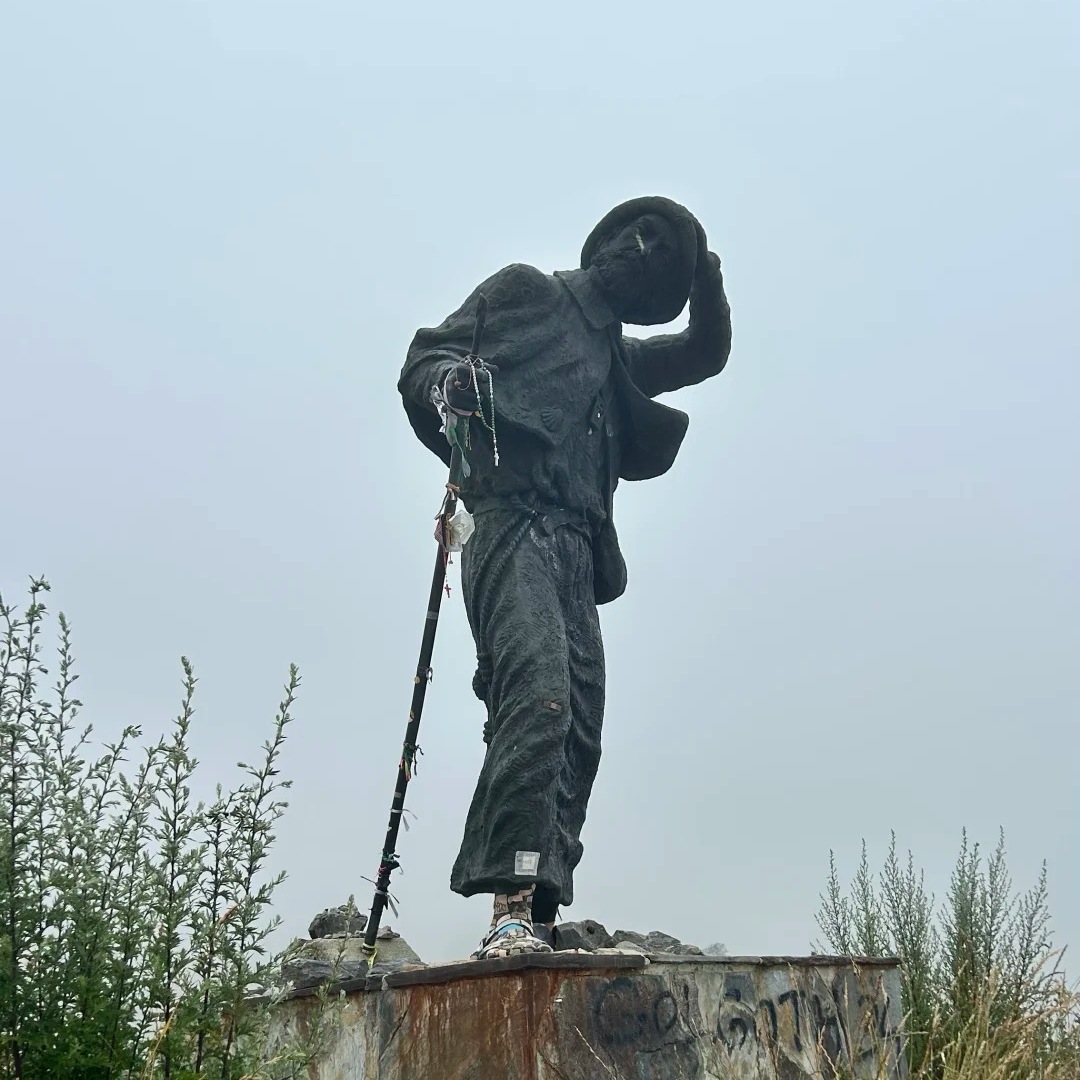
Cultural Tapestry: What Makes This Route Special
The Camino Francés isn’t just about the destination – it’s about experiencing Spain’s incredible cultural diversity. During my walk, I was amazed by how dramatically the landscape, food, language, and customs changed every few days.
Culinary Evolution:
- French influences in the Pyrenees
- Hearty Basque cuisine in Navarre
- World-renowned wines in La Rioja
- Castilian comfort food on the meseta
- Fresh seafood and Celtic influences in Galicia
Architectural Journey Through Time:
- Romanesque churches from the 11th century
- Gothic cathedrals that pierce the sky
- Renaissance palaces
- Baroque flourishes
- Modern interpretations alongside ancient stones
UNESCO World Heritage Status
In 2000, UNESCO recognized the Camino Francés as a World Heritage Site, acknowledging its “outstanding universal value” as a cultural route. Walking these paths, you’re literally following in the footsteps of millions of pilgrims who have made this journey over the past millennium.
The route showcases the evolution of European art, architecture, and culture from medieval times to the present. Every bridge, chapel, and cathedral tells a story of faith, perseverance, and human creativity.
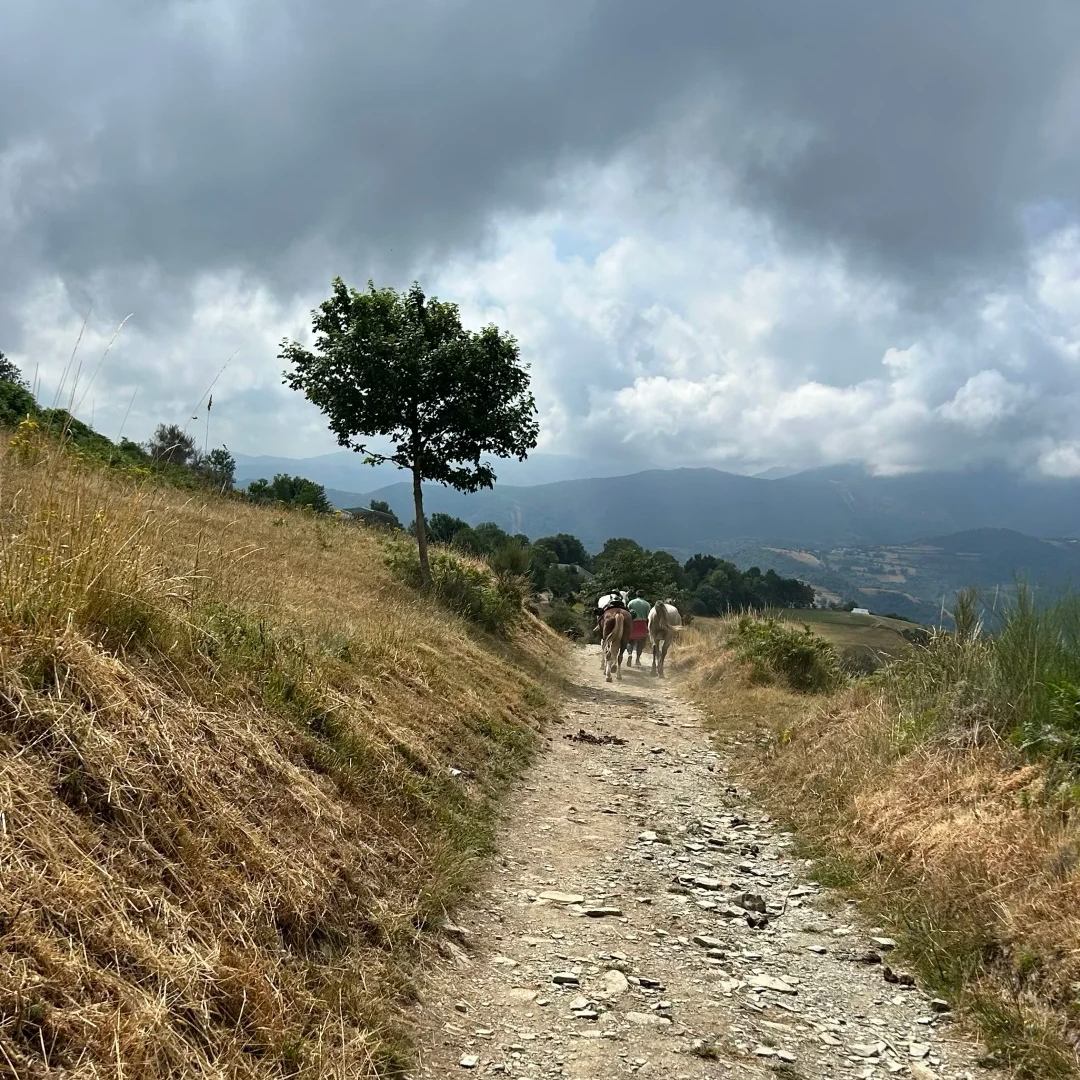
Planning Your Camino Francés Journey
Timing Your Walk
Best Times:
- April-May: Mild weather, fewer crowds, wildflowers
- September-October: Pleasant temperatures, harvest season
Avoid:
- July-August: Extreme heat, overcrowded albergues
- December-February: Cold weather, many services closed
Flexible Duration Options
Full Route (30-35 days): The complete traditional experience Sections: Many pilgrims choose specific segments:
- Final 100km for your Compostela certificate
- Split into 4 annual sections over multiple years
- Start from major cities like Pamplona, León, or Astorga
What to Expect Daily
Average Daily Distance: 20-25 kilometers (12-15 miles) Terrain: Mix of paved roads, dirt paths, and ancient stone routes Elevation: Challenging climbs in Pyrenees and Galician hills Services: Accommodation every 5-15 kilometers
Practical Essentials
Required Documents
- Pilgrim Passport (Credencial) for albergue access
- Regular passport/ID for border crossing
- European Health Insurance Card (if applicable)
Accommodation Strategy
- Public Albergues: €6-10/night, first-come basis
- Private Albergues: €10-15/night, reservations possible
- Hotels/Pensiones: €25-60/night for privacy and comfort
Budget Planning
- Ultra-budget: €15-20/day (public albergues, self-catering)
- Moderate: €25-35/day (mix of accommodation, some meals out)
- Comfortable: €40-60/day (private rooms, restaurant meals)
Why Choose the Camino Francés
As someone who’s walked multiple Camino routes, the Francés offers the perfect introduction to pilgrimage walking. Here’s why it’s special:
Infrastructure: Excellent support network with regular accommodation, cafés, and services Community: Meet pilgrims from around the world – the international camaraderie is incredible Variety: Diverse landscapes prevent boredom over the long distance Culture: Deep immersion in Spanish regional cultures History: Unmatched historical significance and architectural treasures
Your Journey Starts Here
The Camino Francés isn’t just a walk – it’s a month-long adventure that strips away the unnecessary and reveals what truly matters. Whether you’re seeking spiritual renewal, physical challenge, cultural immersion, or simply an escape from modern life, this ancient route delivers.
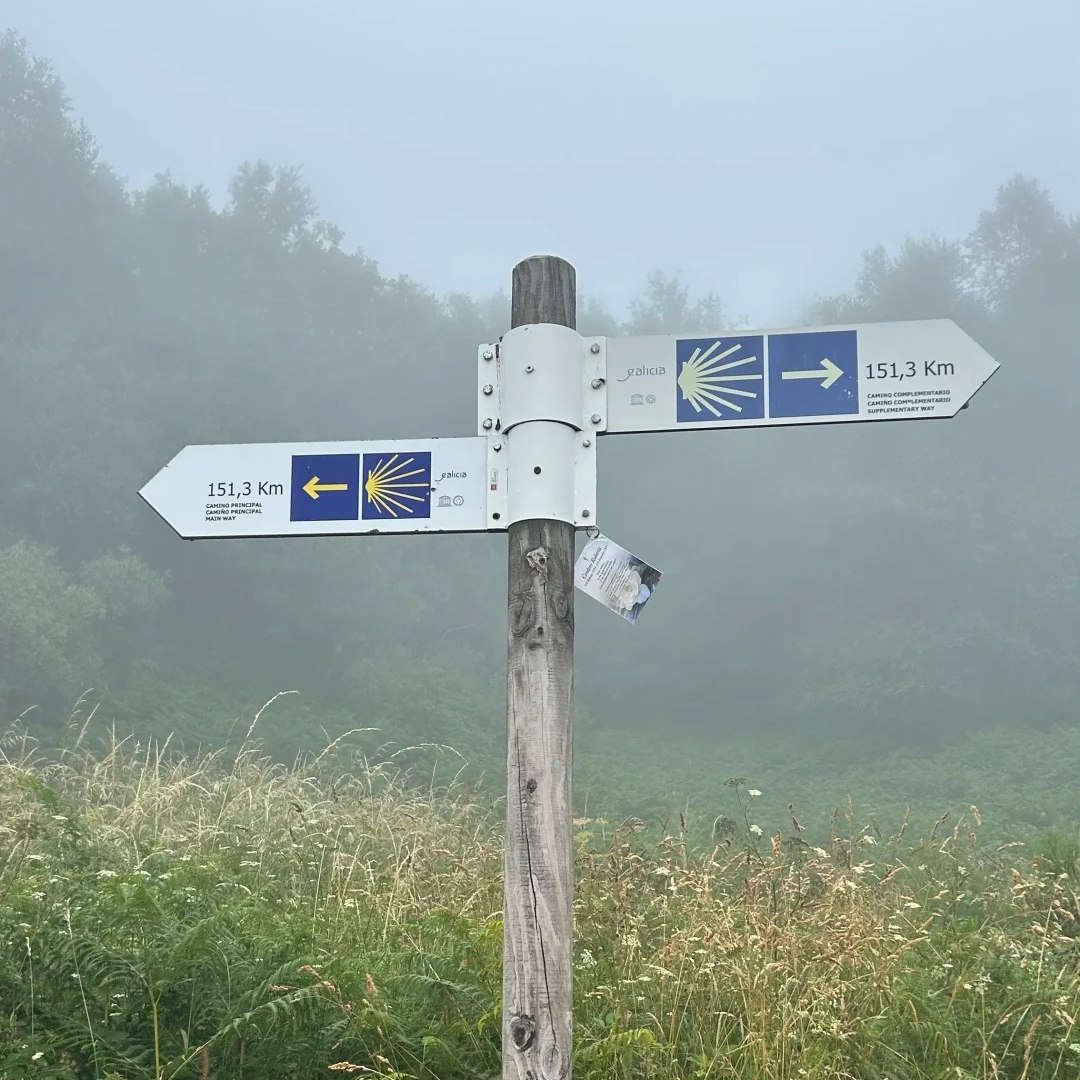
Every step takes you deeper into Spain’s heart, both geographically and culturally. The stone markers bearing the distinctive scallop shell will guide your way, just as they’ve guided millions before you.
Ready to plan your complete Santiago pilgrimage adventure? Our comprehensive Santiago Ways: Complete Guide to Spain’s Epic Pilgrimage Routes covers all routes, preparation tips, and everything you need to know before you go.
Planning to start in France? Check our detailed Getting to Camino Francés: Transport Guide to St-Jean-Pied-de-Port for step-by-step travel instructions from major European cities.
