
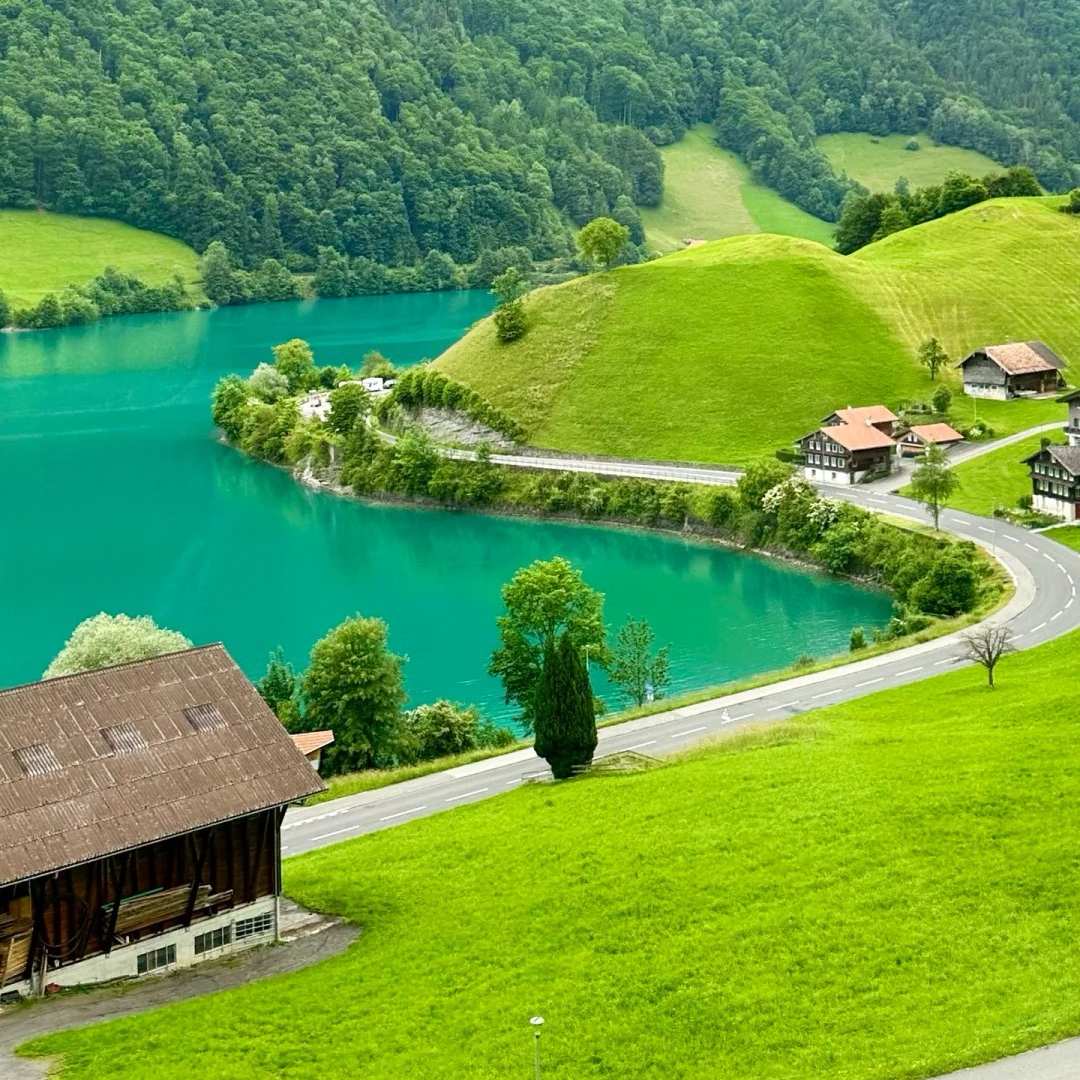
Planning a trip to Switzerland? You’re in for an incredible experience, but this Alpine nation has some unique quirks that can catch even seasoned travelers off guard. After multiple trips and plenty of “I wish I’d known that earlier” moments, here are the essential Switzerland travel tips that’ll save you time, money, and hassle.
1. Weather and Climate: Pack Smart for Swiss Conditions
Switzerland’s climate is generally mild, but it varies dramatically by elevation and season. The country enjoys plenty of sunshine in summer, but don’t let that fool you – the UV radiation is intense at higher altitudes.
Summer Strategy (June-August): Mid-July to mid-August brings the hottest weather, but temperatures drop significantly with elevation. Pack layers and serious sunscreen – mountain UV exposure is no joke. I learned this the hard way during a Matterhorn hike and looked like a lobster for days.
Winter Reality: Heavy snowfall is common, especially in mountain regions. Even in cities like Zurich, snow can disrupt transportation plans.
Pro Tip: Check mountain webcams before heading to high-altitude destinations. Most Swiss peaks have live cameras on their official websites – perfect for checking visibility and weather conditions in real-time.
2. Currency Confusion: It’s Swiss Francs, Not Euros
Here’s one of the most important Switzerland travel tips: despite being surrounded by EU countries, Switzerland uses Swiss Francs (CHF), not Euros. This creates some practical complications:
Shopping Reality: While some tourist areas accept Euros, you’ll get terrible exchange rates. Always pay in Swiss Francs when possible.
Tax Refund Headache: If you’re visiting multiple countries, Switzerland requires separate tax refund processing from EU nations. Keep those receipts organized by country.
ATM Strategy: Swiss ATMs are everywhere and offer fair exchange rates. Skip the airport exchange counters – the rates are awful.
3. Switzerland Travel Tips for Shopping and Dining Hours
This caught me completely off guard during my first visit – Switzerland practically shuts down on Sundays.
Sunday Shopping: Most stores and restaurants close on Sundays. Stock up on essentials Saturday evening or find yourself eating expensive train station sandwiches.
Museum Mondays: Most museums close on Mondays and public holidays. Plan your cultural activities around these closures.
Restaurant Surprises: Mountain restaurants often close during summer in ski resort areas, while some city restaurants take summer breaks. Always call ahead for that special dinner you’ve been planning.
Emergency Shopping: Train stations and gas stations usually have convenience stores open on Sundays, but expect higher prices.
4. Safety and Security: Low Crime, High Awareness
Switzerland boasts one of the world’s lowest crime rates, but don’t let your guard down completely.
General Safety: Violent crime is extremely rare. I’ve walked alone through Swiss cities at all hours without concern.
Tourist Area Precautions: Pickpockets do operate in crowded tourist spots and public transport hubs. Keep valuables secure in places like Zurich’s Bahnhofstrasse or Geneva’s lake area.
Mountain Safety: The mountains pose the biggest risk. Stick to marked trails, carry proper gear, and don’t underestimate weather changes. Swiss Mountain Rescue is excellent but expensive.
5. Address Format and Navigation Tips
Swiss addresses follow a specific format that’s crucial for navigation:
- Street name and number first
- 4-digit postal code
- City name last
GPS Tip: When searching for locations, include the postal code if there are multiple streets with the same name. This happens more often than you’d expect in smaller towns.
6. Mountain Access and Transportation
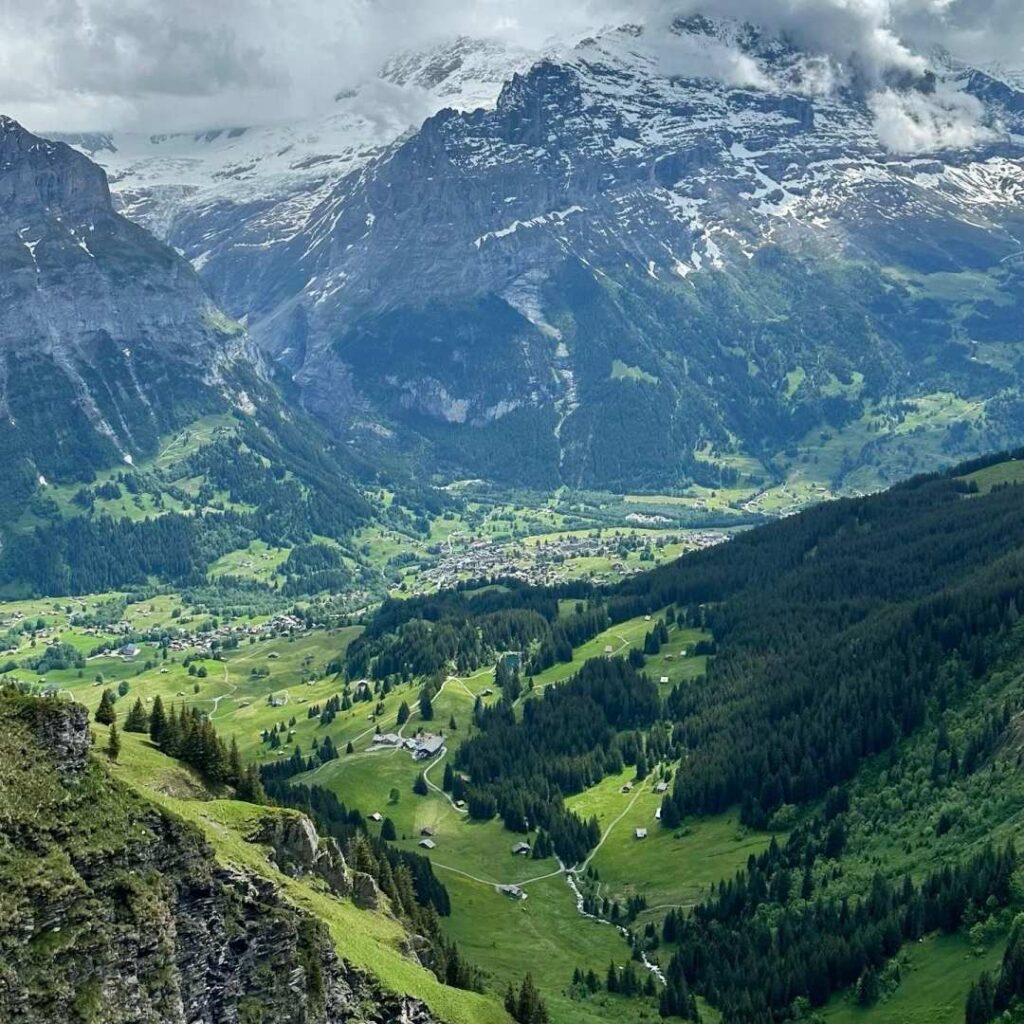
Unlike many countries, Swiss mountains don’t charge entrance fees – you only pay for transportation to reach them.
Cable Car Costs: These can be expensive (CHF 50-200+ for popular peaks), but the Swiss Travel Pass covers many routes.
Weather Monitoring: Use those live webcams! Spending CHF 100 on a cable car ride only to find yourself in thick fog is painful.
Hiking Preparation: Trail markers indicate difficulty levels – pay attention to them. Swiss hiking trails are well-maintained but can be challenging.
7. Water Quality: Drink from the Tap (and Fountains!)
Switzerland has some of the world’s best water quality thanks to strict protection standards and advanced treatment technology.
Tap Water: Completely safe to drink everywhere. Skip the expensive bottled water.
Public Fountains: Those decorative fountains throughout Swiss cities? Most are potable unless specifically marked otherwise. Free, fresh Alpine water throughout your journey.
Money-Saving Tip: Carry a refillable water bottle. With fountain water this good, there’s no need to buy drinks constantly.
Switzerland Travel Tips: Bonus Insights
Language Zones: German, French, Italian, and Romansh are official languages, but English is widely spoken in tourist areas.
Tipping Culture: Round up bills or add 5-10% for good service, but tipping isn’t mandatory like in the US.
Public Transport: Incredibly punctual. If a train is listed as arriving at 14:23, it arrives at 14:23. Plan accordingly.
Emergency Numbers: 112 works for all emergencies, but 1414 specifically reaches mountain rescue.
These Switzerland travel tips come from real experience – some learned the easy way, others the hard way. Switzerland’s efficiency and beauty make it an incredible destination, but understanding these local quirks will help you avoid common tourist mistakes and enjoy your Alpine adventure to the fullest.
Ready to explore Switzerland like a pro? Check out our comprehensive Switzerland travel guide for detailed destination information, hiking routes, and budget planning tips.
Save these essential Switzerland travel tips for your upcoming Alpine adventure – your future self will thank you!
