
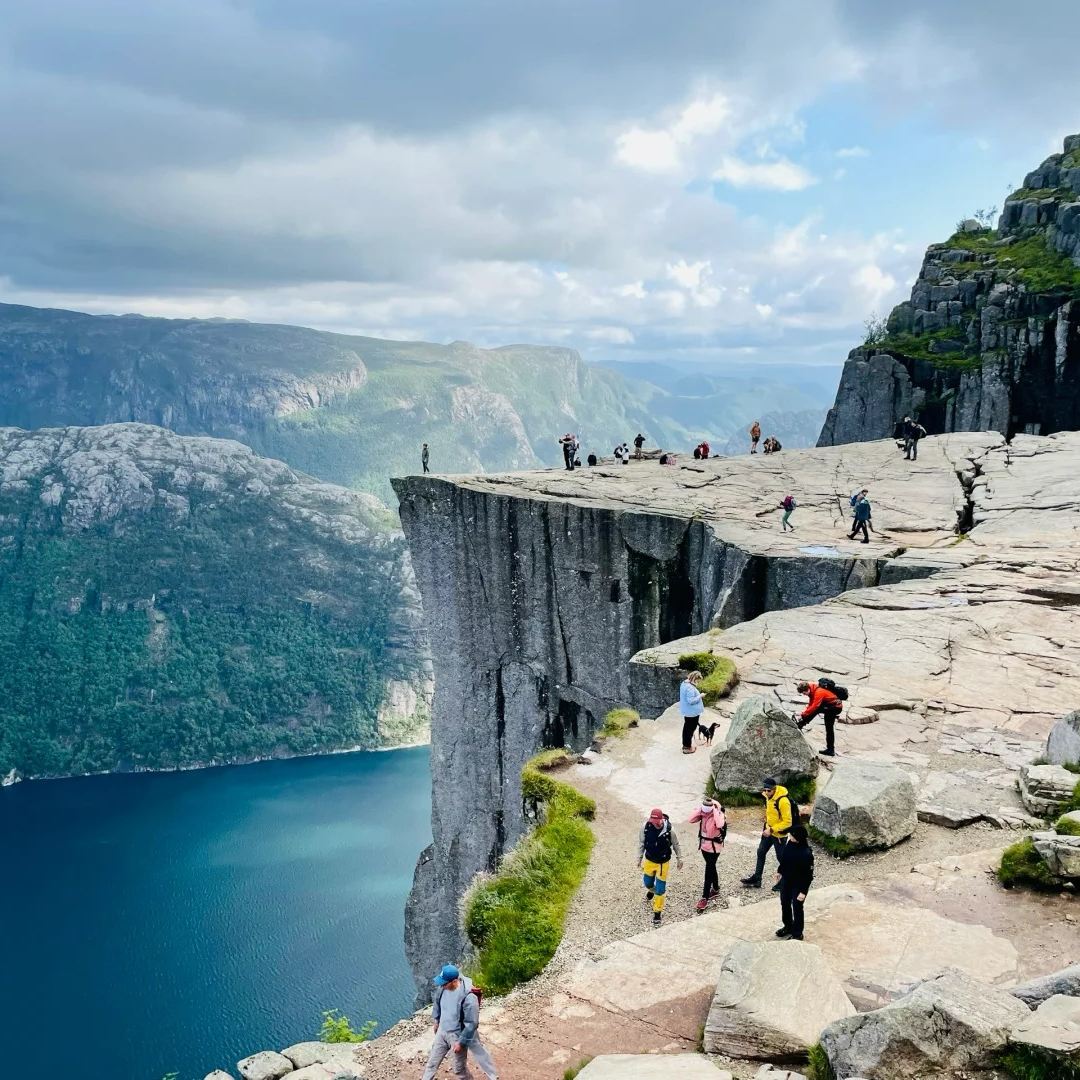
The first time I stood on Pulpit Rock, looking down at the toy-sized boats floating 604 meters below in Lysefjord, I had what I can only describe as a “holy crap” moment. Not just because I was terrified of heights (spoiler: I still am), but because nothing had prepared me for the sheer scale and drama of Norwegian fjords.
Here’s the thing about fjords – they’re basically nature showing off. Like, “Oh, you think the Grand Canyon is impressive? Hold my Viking helmet.”
How Norwegian Fjords Became Earth’s Ultimate Flex
Picture this: millions of years ago, massive glaciers decided to go on the world’s slowest bulldozing spree across Norway. These ice giants carved deep, dramatic valleys that make today’s construction equipment look like children’s toys. When the glaciers finally called it quits and melted away, the sea rushed in to fill these incredible gouges, creating the Norwegian fjords we obsess over today.
The word “fjord” literally means “where you travel across” in old Norwegian – which is pretty practical considering Vikings used these natural highways to get around (and occasionally raid their neighbors, but that’s another story).
Norway ended up with over 1,000 of these natural masterpieces scattered along its coast, making it the undisputed fjord champion of the world. And trust me, once you’ve seen one properly, you’ll understand why people plan entire vacations around them.
The Fantastic Four: Norwegian Fjords That’ll Blow Your Mind
Sognefjord – The Overachiever This beast is Norway’s longest and deepest fjord, stretching over 200 kilometers and plunging down 1,300 meters. Yes, you read that right – 1,300 meters deep. That’s deeper than most mountains are tall! The locals call it “The King of Fjords,” which seems fair considering it could probably swallow most small countries.
The real magic happens when you take the famous Flåm Railway down into the valley. This train ride isn’t just transportation – it’s a white-knuckle descent through some of the most dramatic scenery you’ll ever see, dropping 863 meters in just 20 kilometers.
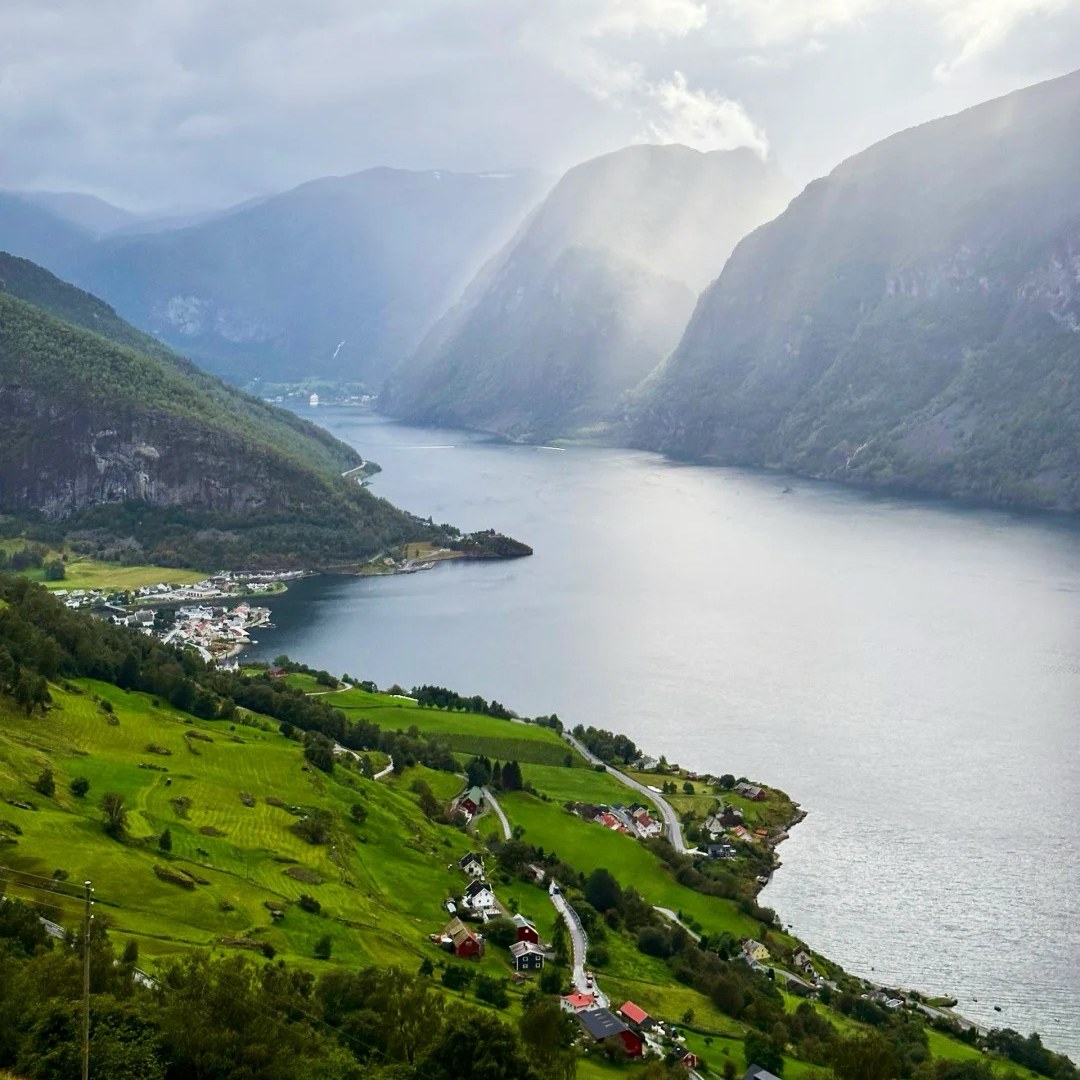
Geirangerfjord – The Instagram Darling If fjords had social media accounts, Geirangerfjord would be the influencer with millions of followers. This 15-kilometer beauty is basically a greatest hits album of Norwegian scenery: towering waterfalls, impossibly green mountainsides, and those classic S-curve bends that make every photo look like a movie poster.
The Seven Sisters waterfall here isn’t just pretty – it’s seven separate waterfalls cascading down 250 meters of cliff face. Standing underneath (if you’re brave enough), you’ll get soaked, but it’s the kind of soaking that makes you feel more alive.
Hardangerfjord – The Gentle Giant At 179 kilometers long, Hardangerfjord might seem like Sognefjord’s little sibling, but it’s got its own personality. This is Norway’s fruit bowl – seriously, the entire region explodes into pink and white blossoms every spring like someone spilled cotton candy across the landscape.
But don’t let the pretty flowers fool you. This fjord is also home to Trolltunga, a piece of rock that juts out horizontally from a cliff face. Getting there requires an 11-hour round-trip hike that’ll test every muscle you didn’t know you had, but the bragging rights are eternal.
Lysefjord – The Adrenaline Junkie’s Playground If you’ve ever seen those insane photos of people sitting on a flat rock shelf 604 meters above a fjord, that’s Pulpit Rock (Preikestolen) in Lysefjord. The hike up takes about 4-5 hours round trip, and yes, there are no railings at the top. Yes, people actually sit on the edge with their legs dangling over. No, I don’t recommend it if you value your life.
For the truly unhinged, there’s also Kjerag boulder – a rock wedged between two cliff faces that thrill-seekers actually stand on for photos. Watching people do this gave me anxiety for weeks.
Bergen: Your Fjord Headquarters (And Pretty Cool in Its Own Right)
Bergen is like that friend who’s really good at everything but doesn’t brag about it. This colorful UNESCO World Heritage city serves as the perfect base camp for fjord exploration, but it’s got enough charm to keep you busy for days.
The historic Bryggen wharf, with its wonky wooden buildings leaning against each other like drunk friends, has been welcoming travelers for over 900 years. These days, instead of Hanseatic merchants, you’ll find cafes serving the best fish soup you’ve ever tasted and shops selling Norwegian wool sweaters that cost more than your car payment (but are worth every krone).
From Bergen, you can reach any of the major fjords within a few hours. The city’s also got that rare combination of cultural sophistication and outdoor adventure access that makes you want to extend your stay indefinitely.
How to Actually Experience Norwegian Fjords (Beyond Just Staring)
Cruise Life: Floating Through Paradise Look, I used to be a cruise skeptic. But floating through Geirangerfjord while someone brings you coffee and pastries? That’s not roughing it – that’s living your best life. The big ships can access areas you’d never reach by car, and waking up to fjord views outside your cabin window beats any alarm clock ever invented.
Plus, when you’re cruising past 1,000-meter cliffs, you really appreciate not having to worry about where to park.
Road Tripping: Freedom with a View Renting a car in Norway is expensive (everything in Norway is expensive), but driving the fjord routes is one of those experiences that justifies the credit card damage. The roads wind along fjord edges, over mountain passes, and through valleys so beautiful you’ll pull over every five minutes to take photos.
Pro tip: The ferry connections between fjords aren’t just transportation – they’re mini-cruises with million-dollar views included in the ticket price.
Getting Your Hands Dirty: Kayaking and Hiking If you really want to understand the scale of these places, get down to water level in a kayak. Paddling in the shadow of 1,000-meter cliffs while waterfalls thunder down around you makes you feel both incredibly small and completely exhilarated.
The hiking here ranges from gentle valley strolls to “why did I think this was a good idea” mountain slogs. But every trail leads to viewpoints that make you understand why people move to Norway and never leave.
Living Like a Local: Norwegian Fjord Culture
Norwegians have this concept called “friluftsliv” – literally “free air life” – which basically means they’re obsessed with being outdoors. In fjord country, this translates to weekends spent in mountain cabins (hyttes), kids who can kayak before they can properly walk, and adults who think a 20-kilometer hike is a casual Saturday activity.
The trust level here is almost unsettling for outsiders. People leave their doors unlocked, their strollers unattended, and will hand you their expensive camera to take their photo without a second thought. It’s like living in a world where everyone went to the same very effective politeness school.
Local English is universally excellent, which is helpful when you need directions to the nearest place selling proper hiking boots (trust me, you’ll need them).
When to Visit: Timing Your Fjord Adventure
Summer (June-August): The Golden Time This is peak season for good reason. You get 20+ hours of daylight, all hiking trails open, and weather that won’t try to kill you. The downside? Everyone else figured this out too, so expect crowds and prices that’ll make your wallet weep.
Spring/Fall (May & September): The Sweet Spots Fewer people, lower prices, and still decent weather. Spring brings those famous fruit blossoms in Hardangerfjord, while fall delivers colors so intense they look Photoshopped.
Winter (December-March): For the Brave Some roads close, hiking becomes an extreme sport, and you’ll need more layers than a Russian nesting doll. But the Northern Lights dancing over snow-covered fjords? That’s the kind of memory that makes all the frostbite worth it.
Food Adventures in Fjord Country
Forget everything you think you know about Scandinavian cuisine being bland. Fjord country serves up some of the freshest seafood on the planet, plus local specialties that’ll surprise you.
The salmon here tastes like what you thought salmon was supposed to taste like before you realized you’d been eating aquarium fish your whole life. The local apple cider from Hardanger orchards is so good it should probably be illegal. And if you’re brave enough to try reindeer (spoiler: it’s delicious), this is the place to do it.
Many fjord villages offer farm-to-table experiences where your dinner was probably swimming in the fjord that morning. It’s sustainable eating with a view that five-star restaurants would kill for.
Making It Happen: Your Norwegian Fjords Game Plan
Getting Around The Hurtigruten coastal voyage is a 12-day floating fjord tour that stops at 34 ports. It’s pricey but covers distances that would take weeks by car. For shorter trips, local ferries connect fjord communities and offer mini-cruise experiences without the commitment.
Where to Sleep Options range from luxury fjord-view hotels (book early, especially for summer) to traditional mountain lodges where you might share breakfast with Norwegian hiking enthusiasts who make you feel like a complete amateur.
What to Pack Layers. Serious layers. Norwegian weather changes faster than a teenager’s mood, and being caught in fjord country without proper gear is no joke. Waterproof everything, comfortable hiking boots, and a camera with extra batteries (the views will drain your phone faster than TikTok).
Norwegian fjords aren’t just a destination – they’re a reminder of what Earth can accomplish when it really puts its mind to it. Whether you’re the type who wants to helicopter over glaciers or simply sit in a fjord-side café with excellent coffee, these ancient waterways deliver experiences that photos can’t capture and memories you’ll be boring people with for years.
Ready to explore more destinations that’ll ruin you for ordinary travel? Check out our collection of jaw-dropping locations at Global Hot City Tips – because why settle for boring when the world has places like this?
