Figuring out what to do in Amsterdam is a blast, but knowing how to get to all the amazing spots is just as important. The city’s famous narrow streets and canals are made for exploring, and a good transportation plan can turn a great trip into an unforgettable one. After many visits, I’ve found that a mix of different methods is the secret to seeing everything on your list without feeling exhausted. For more ideas on how to truly experience the city, check out our guide on What to Do in Amsterdam: A Guide to Local Experiences.
This guide is all about giving you the inside scoop on Amsterdam’s transport—the stuff I wish I knew on my first trip. I’ll break down your best options, give you the most current prices, and share a few tricks to make your journey smoother. For more insights on city travel, see our Global Hot City Tips.
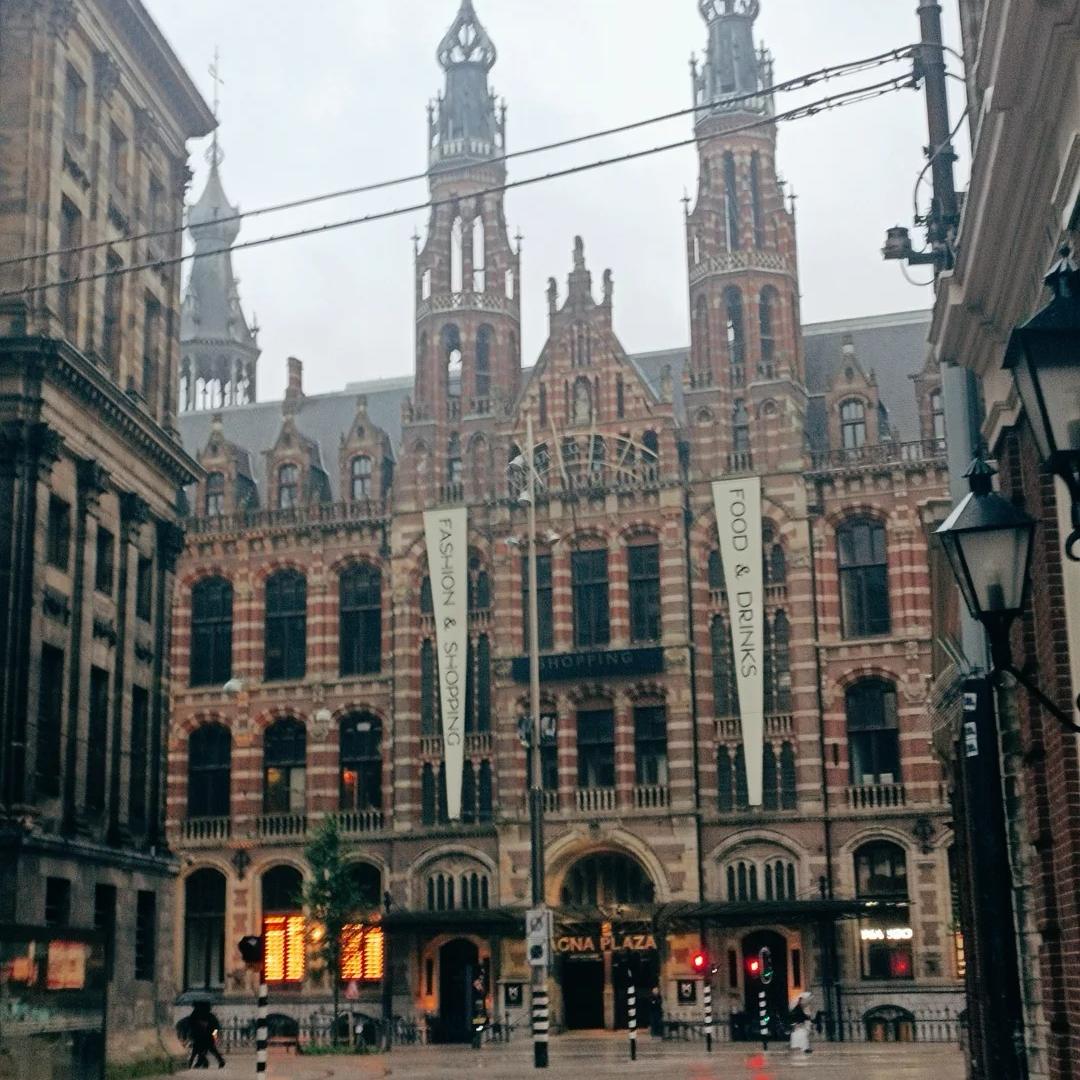
The GVB Ticket: Your Best Friend for Public Transport
If your travel plans include bouncing between museums and neighborhoods, buying a GVB multi-day ticket is the smartest choice. It gives you unlimited travel on all GVB trams, buses, and metros. This is a game-changer and saves you a ton of money compared to buying single-ride tickets.
- 1-Day (24 hours): €9.00
- 2-Day (48 hours): €15.00
- 3-Day (72 hours): €21.00
- 7-Day (168 hours): €41.00
You can grab these tickets at major stations or GVB service points. The most important rule? Always tap your card when you get on AND off. If you forget, you could get a nasty fine.
Biking: The Ultimate Amsterdam Experience
Wondering what to do in Amsterdam that feels truly authentic? Rent a bike. The city is built for them, and it’s the best way to feel like a true local. It’s a fun, active way to explore on your own terms.
When it comes to rentals, stick with a reputable company like MacBike. They have several locations and are well-equipped to handle tourists. A typical day rental costs about €15, with discounts for longer periods.
Pro Tips for Biking:
- Check the Brakes: Many Dutch bikes use a back-pedal brake, which can be a surprise if you’re used to hand brakes.
- Double-Lock Everything: Bike theft is unfortunately common. Always use both locks provided by the rental company and secure your bike to something sturdy.
- Stay in Your Lane: Stick to the red bike lanes and keep an eye on other cyclists—they won’t slow down for you! For a fun look into how to bike like a Dutch person, check out this great article: A Beginner’s Guide to Cycling in the Netherlands.
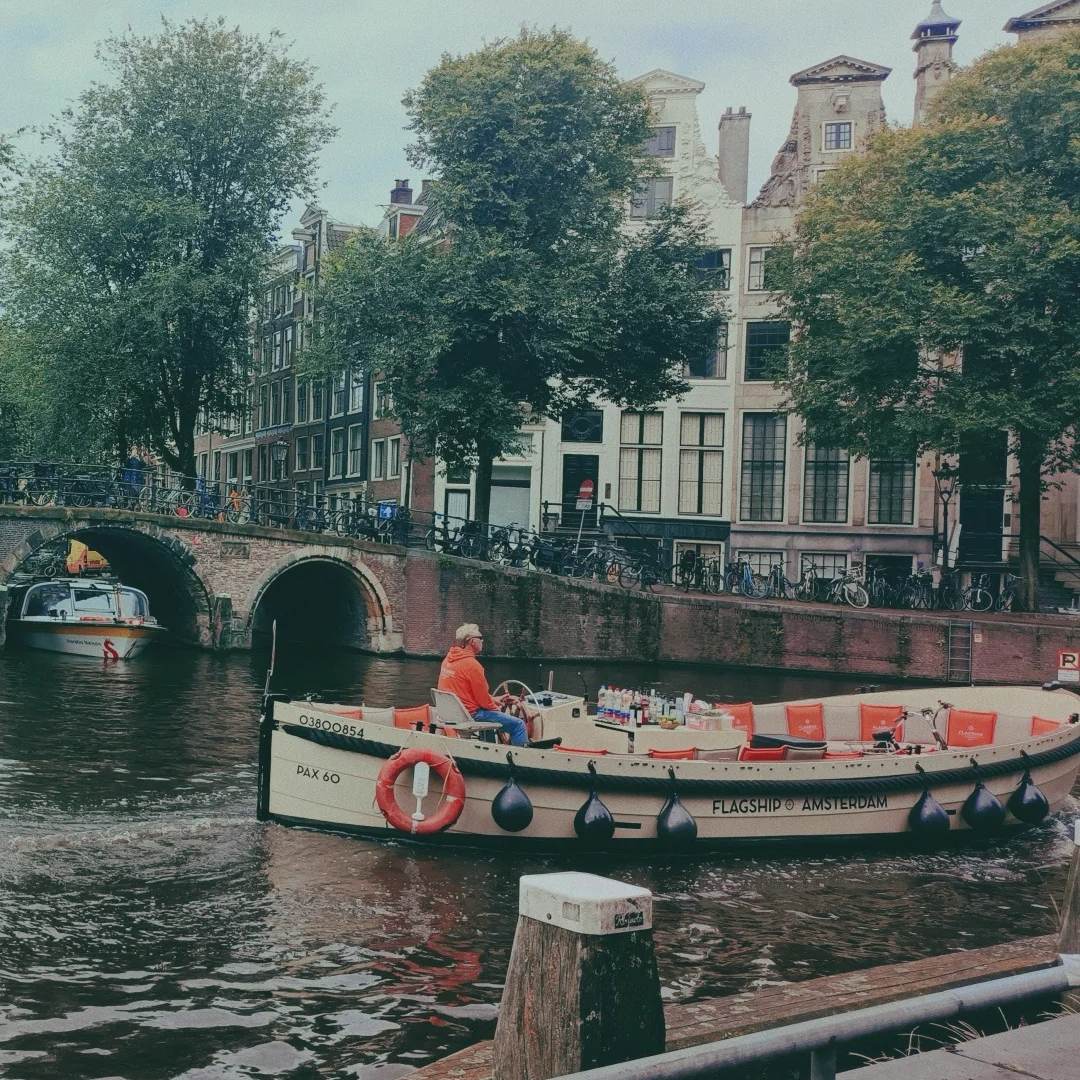
Other Options for Exploring
- Trams & Buses: These are your main tools for moving through the city. Trams are fast and great for sightseeing, while buses are excellent for reaching outer neighborhoods and for late-night trips.
- Metro: Use the metro for longer journeys, especially if you’re staying outside the main tourist areas. It’s not as scenic, but it’s fast and efficient.
- Ferries: The ferries are completely free and connect the city to the Amsterdam-Noord area across the IJ lake. It’s a fantastic short ride with great city views.
- Taxis & Uber: Taxis are famously expensive here, with a base fare around €10. If you need a car, your best bet is a ride-sharing app like Uber, which is often more affordable and reliable. For tips on where to stay to make transport even easier, check out our guide on the Best Places to Stay in Amsterdam.