
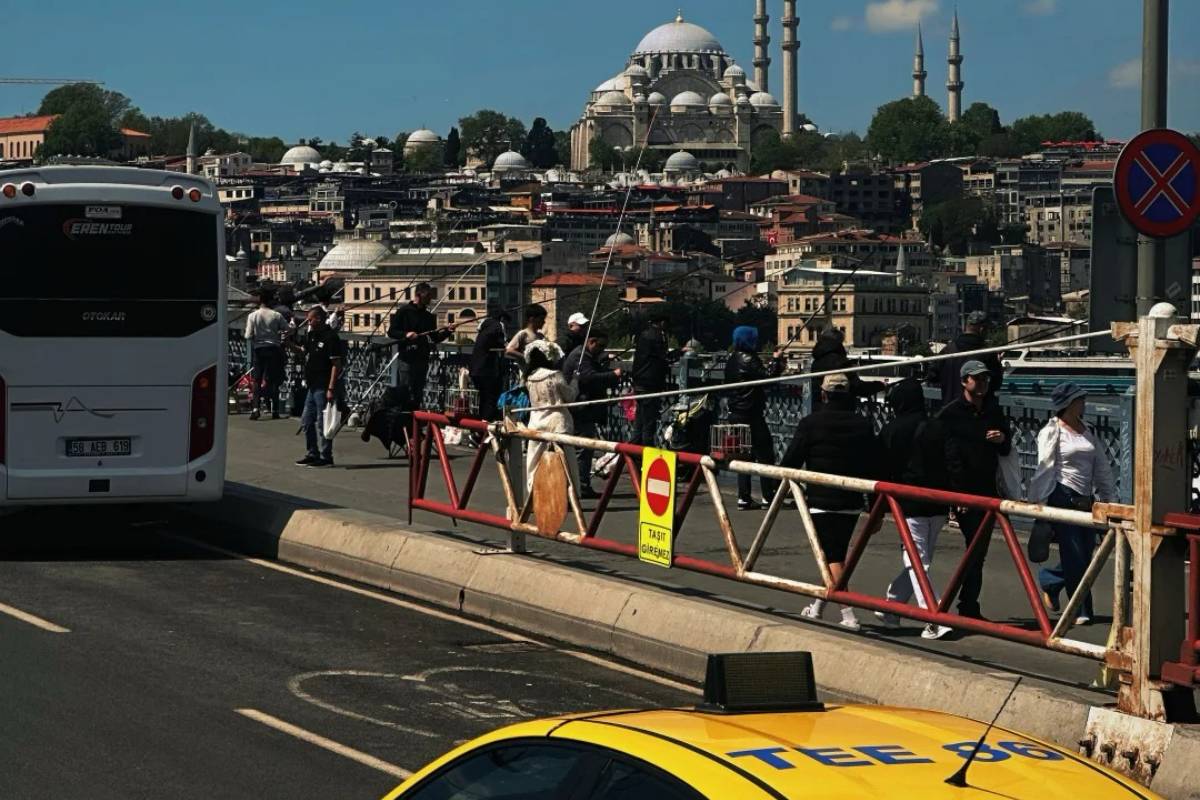
Turkey’s got you covered when it comes to getting from point A to point B. After bouncing around this amazing country for weeks, I’ve learned which transport options actually work (and which ones will leave you stranded). Here’s the real deal on how to move around Turkey efficiently and affordably, without breaking your bank or your sanity.
Flying Within Turkey
Sure, Turkish Airlines dominates the skies, but don’t overlook budget carriers that’ll save serious cash:
- Sun Express
- Pegasus
- Atlasjet
- Anadolujet
Major tourist hotspots like Izmir, Antalya, Nevşehir, Trabzon, and Bodrum all have airports. The catch? Almost everything routes through Istanbul. Planning to hop from Antalya to Trabzon? That stopover often makes buses a smarter, more direct choice for shorter distances.
Train Travel (Finally Getting Better)
Let’s be honest – Turkey’s rail network has been pretty underwhelming for years. Slow trains, winding routes, and limited connections made it more of a last resort than a real option.
But things changed in 2014 when the high-speed rail (YHT) launched between Istanbul and Ankara. This game-changer cuts the journey to just 4 hours, and it’s actually comfortable. Check schedules and book tickets at yolcu.tcdd.gov.tr/view.
Long-Distance Buses (The Real MVP)
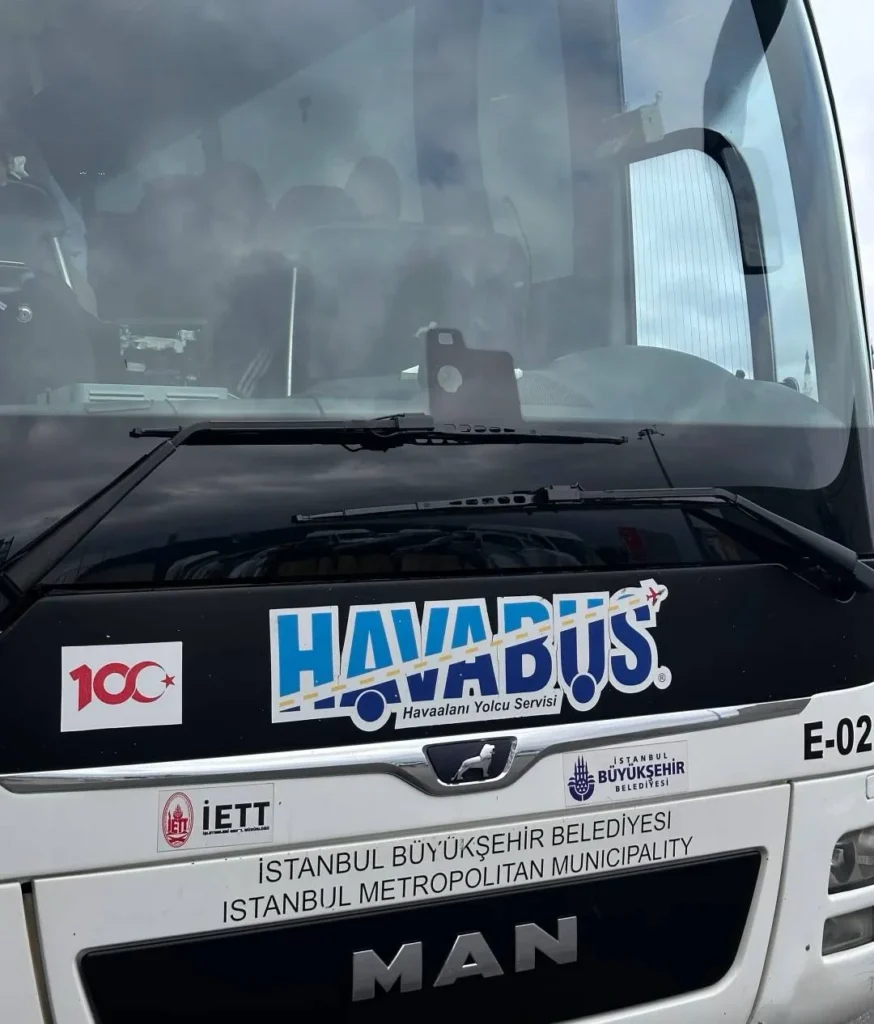
This is where Turkey absolutely shines. The intercity bus network is phenomenal – extensive routes, unbeatable prices, and surprisingly luxurious coaches. Most are Mercedes models with spacious seating that puts many airlines to shame.
Every bus comes with an attendant who’ll bring you complimentary snacks and drinks throughout the journey. They’ll even pour lemon-scented cologne on your hands for freshening up – a delightful Turkish touch! All buses have restrooms, and many offer free Wi-Fi.
Company Recommendations:
- Varan: Premium service (higher prices, fewer routes, but top-notch buses)
- Metro, Pamukkale, Ulusoy, Seç, Kamilkoc: Great balance of coverage and quality
Most companies have downtown offices with free shuttle service to the main bus terminal. Buy tickets at city offices, bus stations, or online. Pro tip: If you’re a student, try negotiating with your student ID – it sometimes works for extra savings!
Taxis and Private Transport
Taxis aren’t cheap in Turkey, especially in western cities where public transport works perfectly fine. However, they can be essential for late-night arrivals, heavy luggage situations, or in less developed eastern regions where you might need to join local tours or hire private transport.
For car hire, expect to pay around 1,500-2,500 Turkish Lira per day for a 4-person vehicle (prices have increased significantly recently). Your hotel can usually arrange this, or negotiate directly with taxi drivers on the street.
Self-Drive Adventures
Renting a car opens up incredible possibilities, especially for exploring remote areas. You’ll need your driver’s license plus a certified translation – local notary offices (look for “NOTER” signs) can handle this.
Driving is on the right side, just like home. Parking fees are collected by attendants rather than meters. Highways charge tolls based on distance (120 km/h speed limit), and you’ll need an electronic payment card from your rental company.
Stick with international chains like Avis, Budget, or Europcar for reliable service. Economy cars run about $25-30 per day during high season (May to mid-October) and $10-12 per day in off-season with one-way returns available. Gas stations accept Visa and Mastercard, or you can pay cash.
City Transport Cards (Your Secret Weapon)
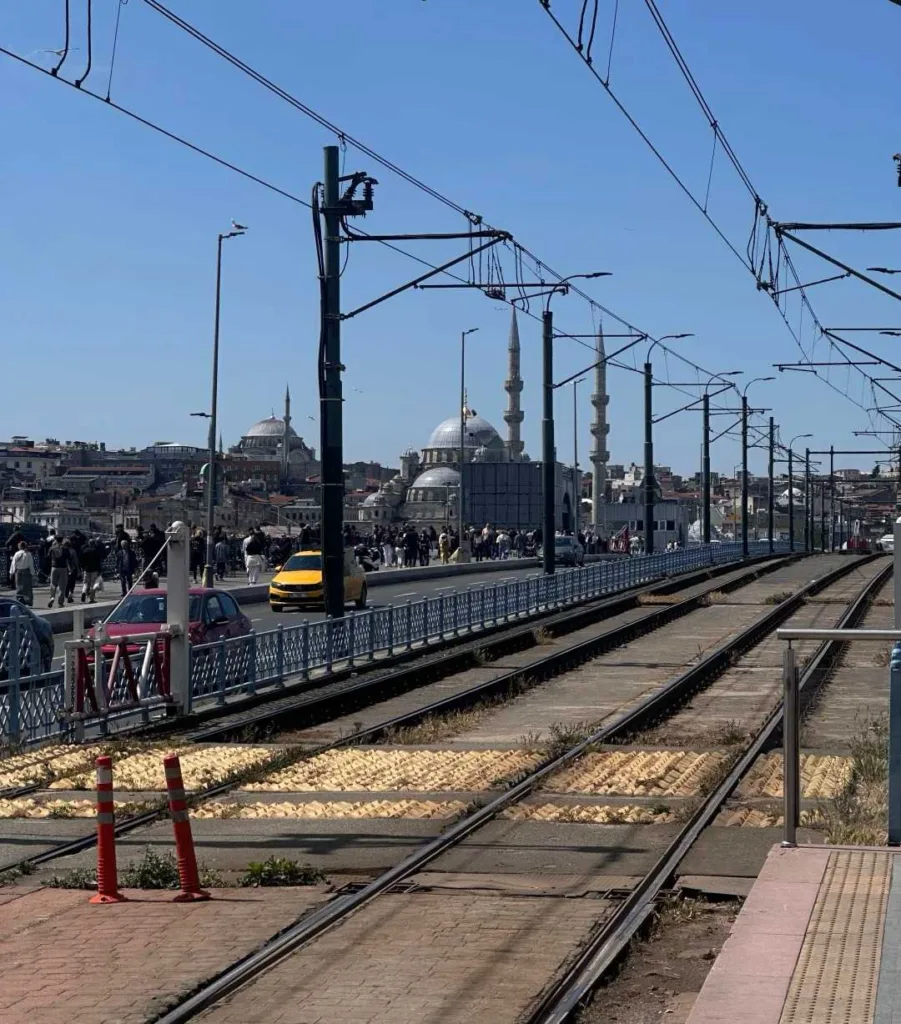
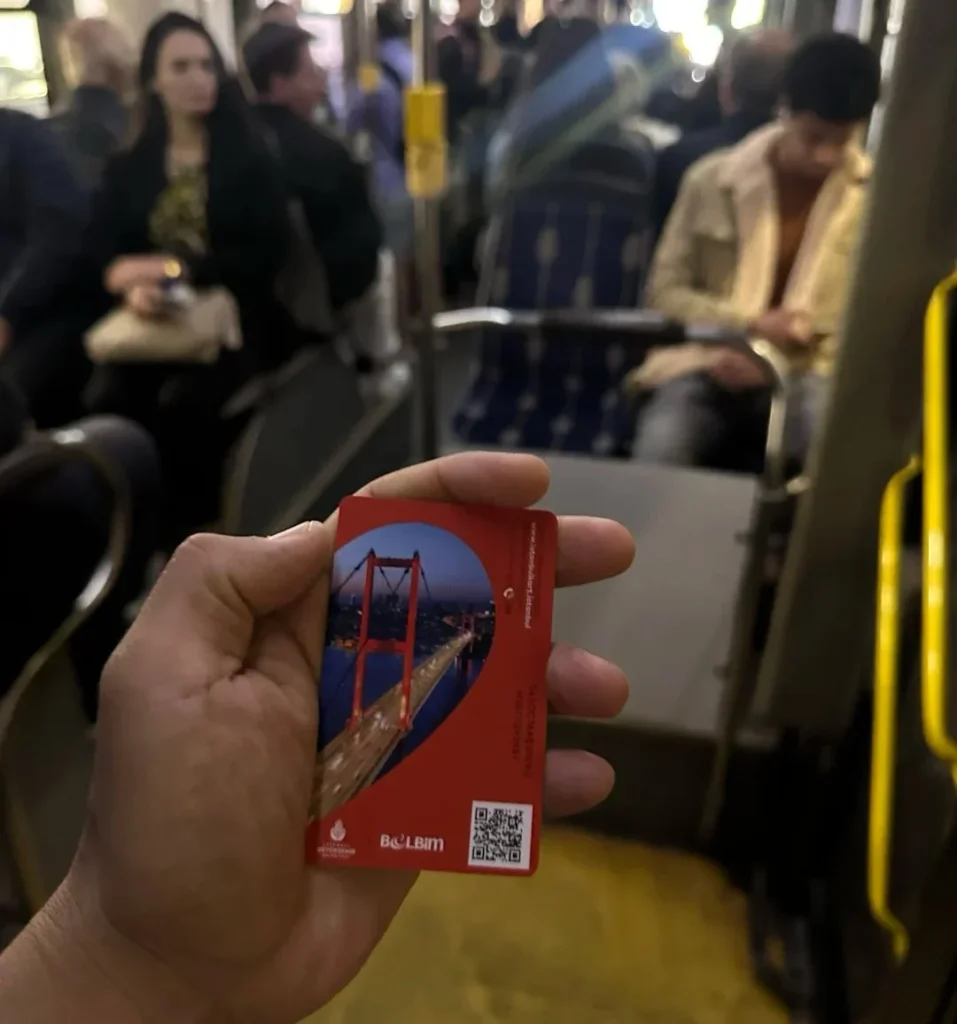
Once you hit the major cities, forget about expensive taxis. Head to the nearest metro station and look for the ticket machines – they have English instructions available. Grab a transport card for 130 Turkish Lira (around $4 USD), then load it with credit.
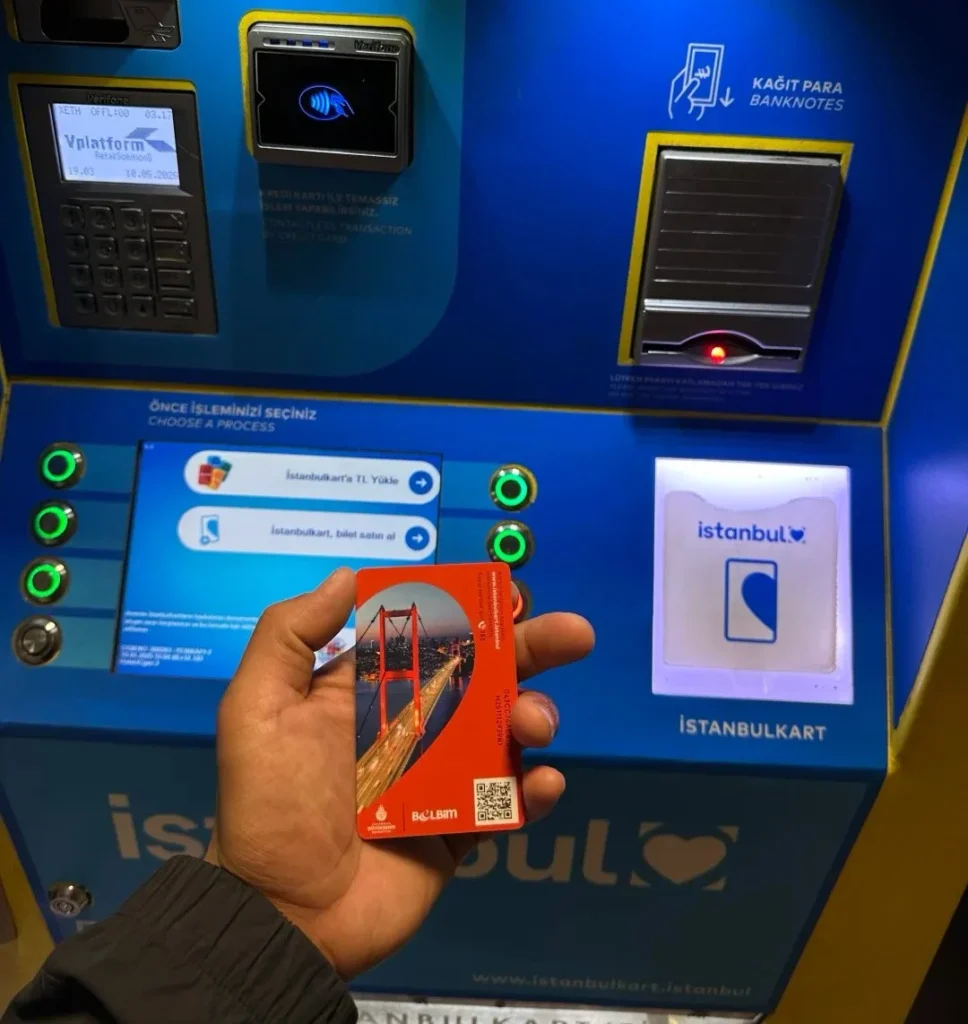
This magical card works on buses, metro, light rail, ferries, and even gives you bathroom access at stations. Standard fare for buses, trams, ferries, and metro rides is 27 TL for the first ride, with discounts for transfers. It’s ridiculously convenient and costs a mere fraction of taxi fares for budget-conscious travelers. Just tap and go – you’ll wonder why every city doesn’t work this way!
The card automatically grants significant fare discounts compared to single-use tickets, and transfers between different transport modes get progressively cheaper.
Bottom Line
Turkey’s transport network is more comprehensive and surprisingly efficient than most travelers realize. Buses dominate for intercity travel, city transport cards handle urban areas perfectly, and flights work when you need speed over savings. Skip the expensive taxis unless you’re heading somewhere truly remote.
The key is mixing transport modes based on your route and budget. Buses for long hauls, transport cards for cities, and flights when time matters more than money. Master this combo, and Turkey becomes incredibly easy to navigate – allowing you to see more for less while avoiding those frustrating moments of being stuck without options.
