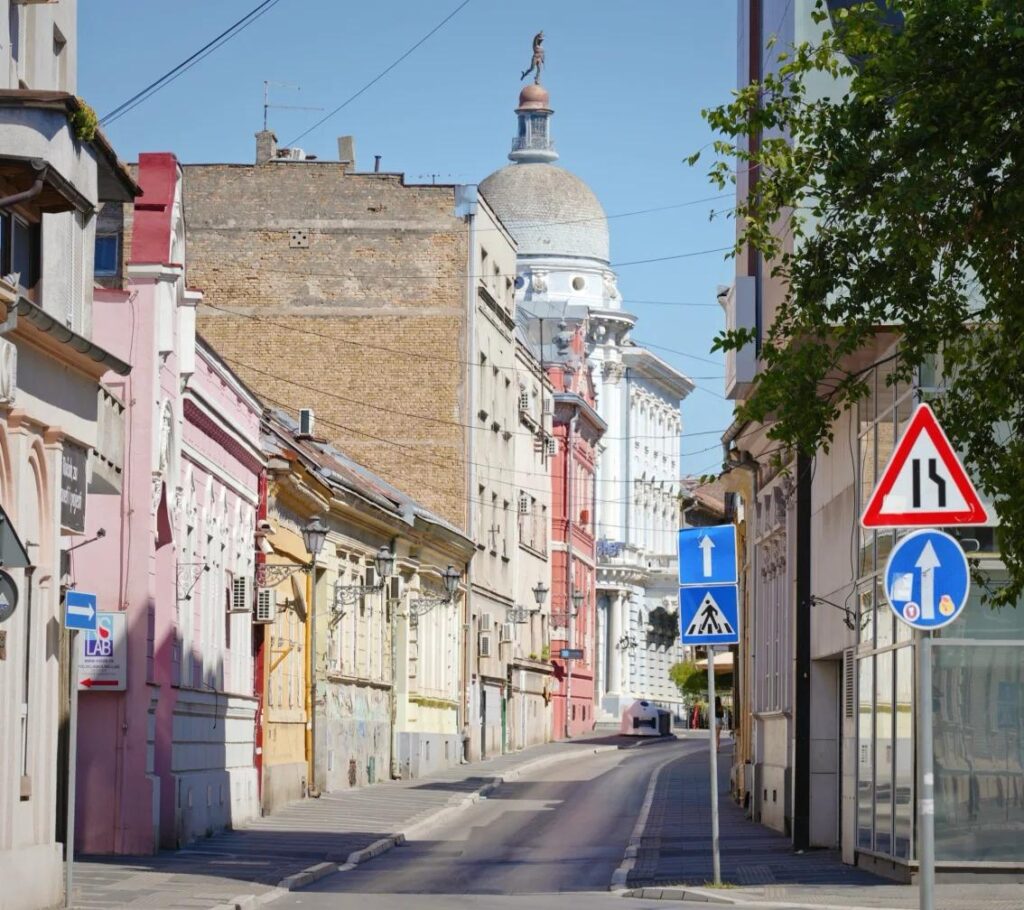
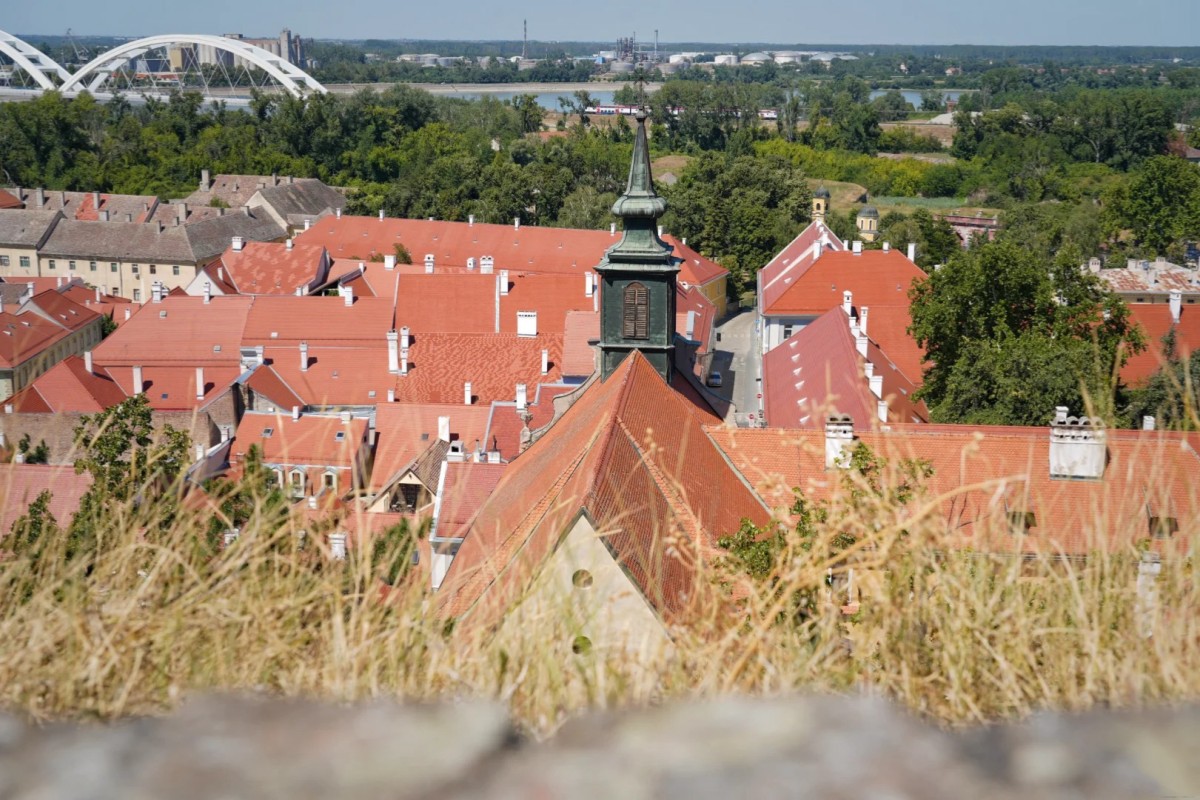
Belgrade – “Beograd” in Serbian, literally meaning “White City” – sits where the Sava and Danube rivers meet, right at the crossroads between East and West. With 1.7 million residents, it’s still the largest city in the former Yugoslavia, and after spending weeks wandering its streets, I can tell you it’s nothing like what most people expect.
Sure, Belgrade has the requisite old-town baroque buildings and the massive Saint Sava Church. But what really grabbed me? This city knows how to live. We’re talking about one of Europe’s best nightlife destinations, where you’ll find bars tucked into every corner – from riverside spots to hidden basement joints in residential neighborhoods.
But here’s the thing: even if you’re not a night owl, Belgrade delivers. The food scene is incredible and ridiculously affordable. Forget hunting for Michelin stars – you want authentic Serbian grub, creative cafes, and international cuisine that won’t break the bank. Coming from expensive Northern or Western Europe? Your wallet will thank you.
My advice: Ditch the rigid sightseeing checklist. Find a sunny spot at a street cafe, order Turkish coffee, and watch the endless parade of impossibly stylish locals. That’s when Belgrade really reveals itself.
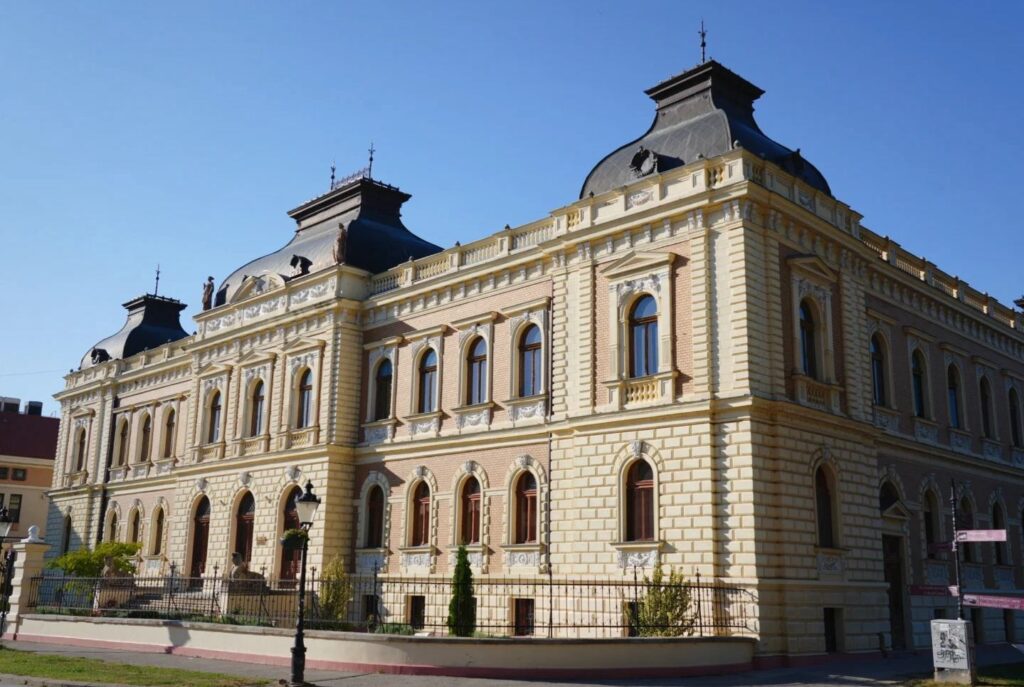
Must-See Belgrade
Kalemegdan Fortress & Park
What it is: Belgrade’s historic fortress overlooking the river confluence
Why it matters: This isn’t just a tourist trap – locals love this place. The fortress has witnessed Romans, Ottomans, and Austro-Hungarians come and go, and now it’s the city’s favorite hangout spot.
The name comes from Turkish: “kale” (fortress) + “megdan” (battlefield). Fitting, considering its bloody history. The 1928 “Victor” monument on the highest point became Belgrade’s symbol.
Inside the complex: Military Museum, Belgrade Zoo, Red Star basketball club, plus countless monuments scattered around.
Getting there: Buses 2, 19, 21, 22, 28, 29, 41, 31 to Kalemegdan
Hours: Park open 24/7, towers and museums 11 AM-7 PM
Cost: Free to wander
Website: www.beogradskatvrdjava.co.rs
Saint Sava Church
The stats: Balkans’ largest Orthodox church, 82m high, fits 10,000+ people
The reality: You can spot this massive bronze dome from anywhere in Belgrade. Only Istanbul’s Hagia Sophia is bigger.
Started in 1935, interrupted by wars and political chaos, main structure finished in 2004. Interior decorating continues today. Four bell towers with 49 bronze bells ring every hour.
Getting there: Buses 9, 10, 14, 31, 33, 42, 47, 48, 59, 78 to Karađorđev Park
Hours: 8 AM-8 PM
Website: www.hramsvetogsave.com
Gardoš Tower (Zemun District)
Hidden gem alert: Most visitors miss Zemun entirely, which is a shame.
This 1896 Austro-Hungarian watchtower sits in what used to be a separate city. The architecture feels distinctly Central European – very different from Belgrade proper. Climb the tower for panoramic views of the Danube and Belgrade skyline.
Bonus: Zemun’s riverside restaurants serve excellent fresh fish from the Danube. Perfect spot for sunset dinner.
Getting there: Buses 17, 45, 73, 83, 84, 705 to Trg Branka Radičevića
Hours: Daily 10 AM-7 PM
Cost: 200 dinars to climb (kids under 12 free)
Website: www.kulanagardosu.com
Ada Ciganlija Island
Local nickname: “Belgrade’s Sea”
What it is: Former river island turned peninsula with 7km of beaches
Summer transforms this place into Belgrade’s playground – swimming, sunbathing, bars, sports facilities. Want adventure? Try bungee jumping or paintball. Prefer relaxing? Rent bikes or take the tourist train (200 dinars).
Getting there: Buses 23, 37, 52, 53, 58, 88 to Ada Ciganlija
Cost: Free entry
Website: www.adaciganlija.rs
Republic Square
The basics: Belgrade’s central meeting point with Prince Mihailo monument (1882)
The vibe: Small square, big significance. This is where Belgraders gather for everything from protests to celebrations.
Note: National Museum next door has been “under renovation” for years. Don’t hold your breath.
Getting there: Buses 9, 21, 22, 28, 29, 41, 16, 24, 26, 31, 37, 46, 95 to Trg Republike