
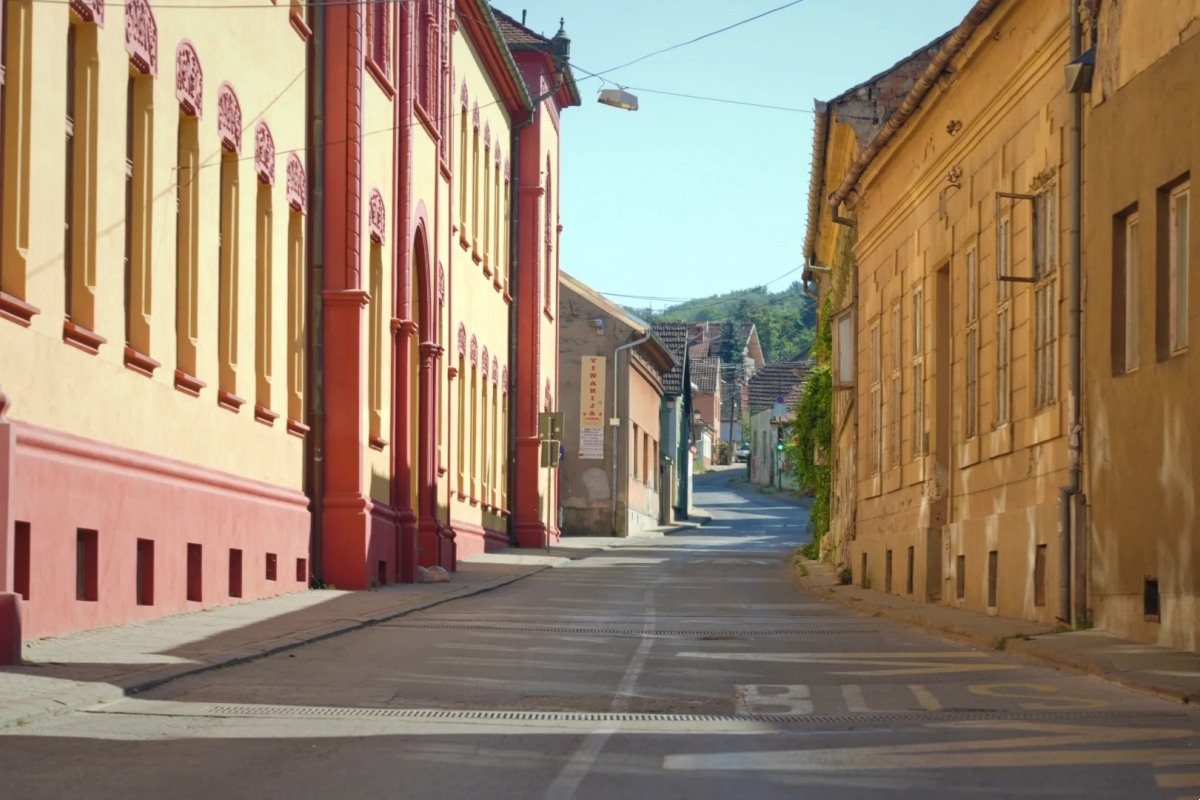
Now that you’ve landed (hopefully armed with my airport tips from Part 1), let’s talk about actually moving around this country. After hopping between Belgrade, Novi Sad, Niš, and countless mountain villages, here’s what I’ve learned about Serbia’s transport reality.
The Domestic Flight Situation
There aren’t any. Seriously – zero domestic flights in Serbia. So forget about quick hops between cities and embrace the ground-level journey.
Trains vs Buses: The Eternal Debate
Trains: Surprisingly Good (When They Run)
Serbia’s been quietly upgrading their rail game. The newer trains between Belgrade, Novi Sad, and Niš are actually quite comfortable – clean, modern, and a pleasant surprise after some of the vintage rolling stock I’ve encountered elsewhere in the Balkans.
Reality check: Trains only connect major cities. Want to reach mountain villages or smaller towns? You’re taking the bus.
Buses: Your Reliable Workhorse
Buses reach everywhere trains don’t (which is most places). Sure, they’re slower than you’d expect – Serbia’s highway network is still catching up to Western European standards. But they’re frequent, relatively comfortable, and drivers know every backroad shortcut.
Pro tip: Long-distance buses often have better legroom than budget European airlines.
The Balkan Secret: Mini-Bus Services
Here’s something most guidebooks miss – mini-bus services are huge in the Balkans. Think shared shuttle vans (7-9 passengers) that pick you up at your accommodation and drop you at your destination.
Cost: Similar to regular buses Convenience: Door-to-door service, perfect with luggage Booking: Check geatours.rs/en/ for options
I’ve used these for airport transfers and city-to-city travel. Worth it when you’re dragging a heavy backpack through cobblestone streets.
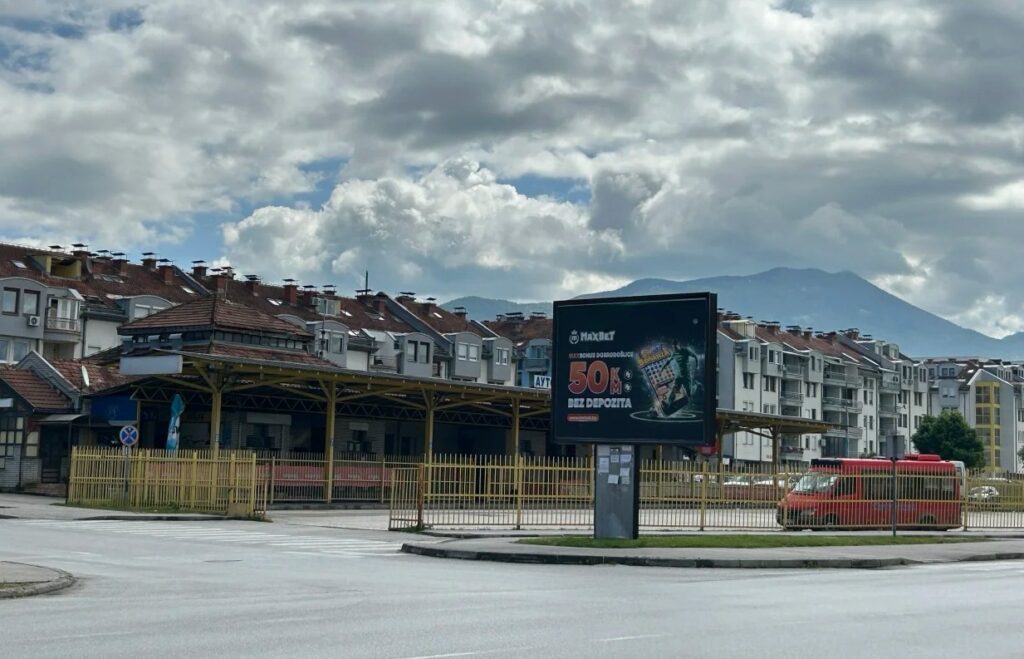
Self-Driving: Freedom with Complications
Renting a car gives you serious exploration freedom, especially for mountain regions and remote monasteries. Serbia drives on the right (like most of Europe), and the scenery is stunning.
License Requirements
- Chinese license: Need certified English translation
- EU license: Good to go
- International license: Accepted everywhere
Rental Reality
Airport options: Hertz, Sixt at Belgrade Nikola Tesla Airport Advance booking: Highly recommended – limited inventory
Urban Driving Challenges
Belgrade’s old town will test your patience. Narrow streets, constant one-ways, and hills everywhere. But the real nightmare? Parking.
City center parking:
- 1-3 hour limits in most zones
- Payment via SMS (nearly impossible with foreign numbers)
- My solution: Find proper parking garages and walk
Road Conditions
Main routes between cities are decent. But venture toward southwestern Serbia and you’re dealing with mountain roads and village lanes. Speed limits are enforced, especially in small towns where locals have nothing better to do than watch for speeders.
Bottom line: Rent a car for countryside exploration, use public transport for city connections.
