
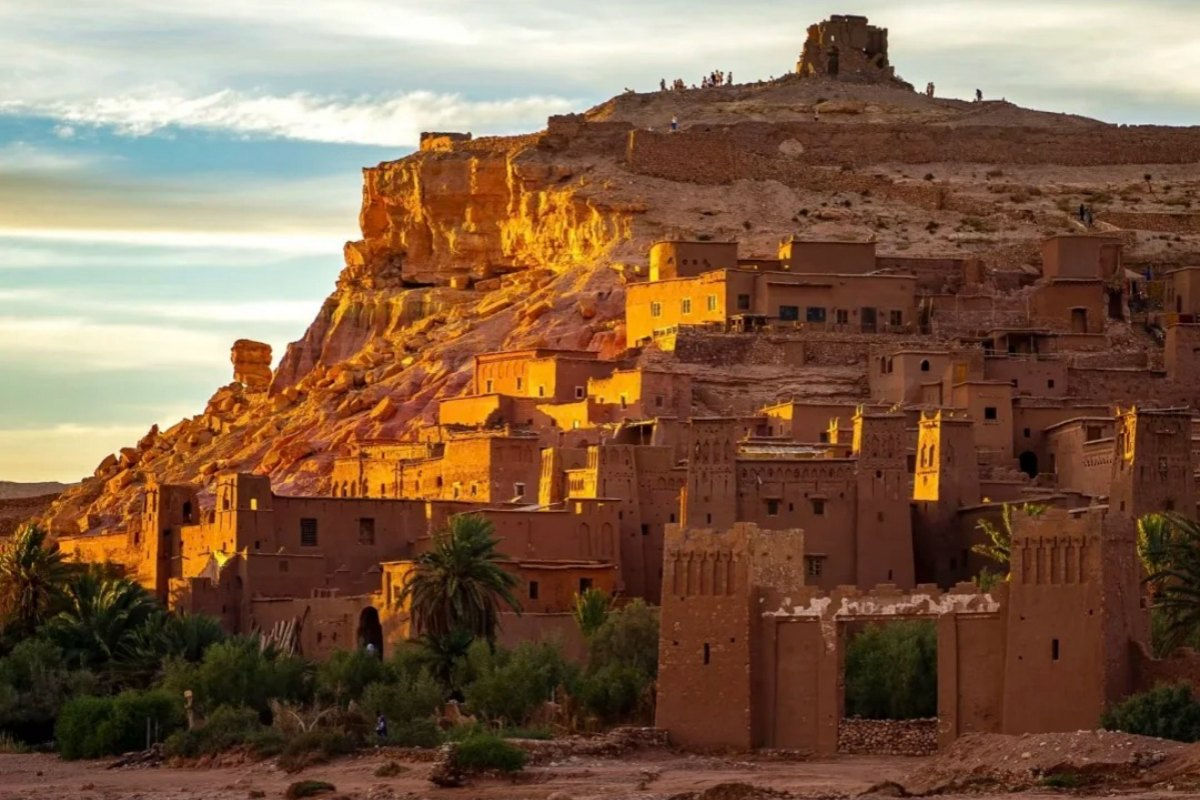
Morocco feels like stepping into a living fairytale. After exploring this incredible country extensively, I’m sharing everything you need to know about Moroccan culture, daily life, and essential etiquette that will transform your travel from observation to genuine connection.
Morocco at a Glance
Nestled in northwest Africa, Morocco occupies a strategic position where the Atlantic Ocean meets the Mediterranean Sea. Just nine miles separate it from Spain across the Strait of Gibraltar, while Algeria borders to the east and the vast Sahara Desert stretches south.
The capital Rabat anchors the country alongside three other imperial cities: Marrakech, Fez, and Meknes. As a constitutional monarchy, Morocco stands out as North Africa’s most economically competitive and socially stable Muslim nation.

A Land of Endless Contrasts
Picture ancient medinas where storytellers captivate crowds while vendors hawk colorful carpets, and maze-like alleys echo with playful shouts. This perfectly captures Morocco’s essence – a vibrant, controlled chaos that works beautifully.
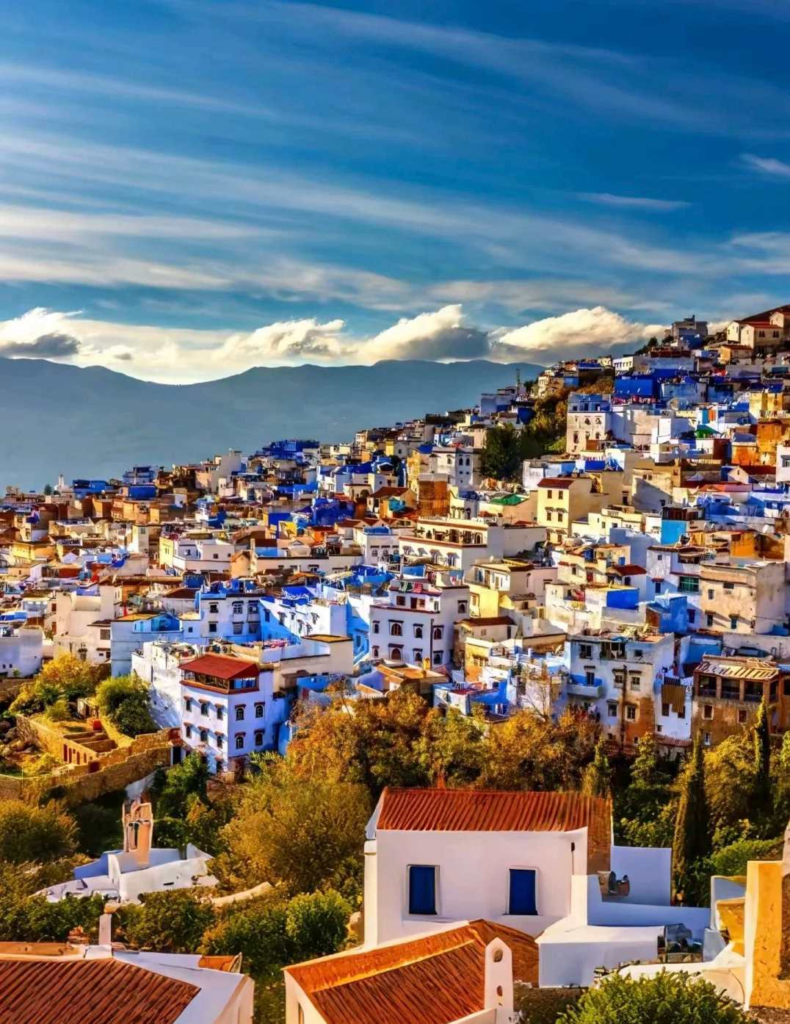
Centuries of cultural influences—Roman, Arab, European—shaped this North African gem. You’ll discover nine UNESCO World Heritage sites, explore Casablanca’s gleaming modernity, and lose yourself in the artistic blue streets of Chefchaouen.
Natural Wonders Beyond the Cities
Morocco’s geography delivers incredible diversity. The Sahara Desert offers that bucket-list experience – camel treks under star-filled skies and sunrise over golden dunes that photos can’t capture.
The Atlas Mountains provide hiking adventures with breathtaking summit views, while both Atlantic and Mediterranean coastlines offer everything from surfing to lazy beach days. No wonder they call Morocco the “Garden of North Africa.”
Culinary Adventures Await
Moroccan cuisine deserves its world-renowned reputation. Traditional families still prepare couscous using grandmother’s recipes, though it’s no longer reserved just for Friday prayers. Don’t miss trying authentic tagine (which is actually the cooking pot, not the dish name), street-side grilled meat, and surprisingly delicious snail soup.
Every meal concludes with mint tea ceremony – watching your host carefully prepare this sweet, refreshing drink becomes part of the cultural experience.
Understanding Daily Life
Colonial French and Spanish influences remain visible, but Moroccans maintain many traditional practices. You’ll see women wearing headscarves alongside those who don’t; djellaba robes are common streetwear.
Most Moroccans are genuinely hospitable, often offering pastries and mint tea. Expect a relaxed approach to time—punctuality isn’t emphasized. Tourist areas might attract persistent vendors, while mountain and desert regions offer more authentic interactions.
Understanding Gender Dynamics
Morocco is relatively progressive among Muslim countries, but traditional gender roles are still common. Public spaces like tea houses are predominantly male domains.
Male travelers should avoid initiating physical contact when greeting Moroccan women, as this is considered inappropriate. Similarly, respect for someone’s spouse is paramount; avoid staring or overly familiar gestures.
Religious Customs and Etiquette
Islam profoundly influences daily life. You’ll witness people praying five times daily; never point, stare, or photograph during prayers. Most mosques restrict entry to Muslims only – please respect these boundaries.
During Ramadan, avoid eating or drinking publicly during daylight hours out of respect for those fasting. Female travelers don’t need headscarves, but modest clothing is essential. Public displays of affection for couples should be minimal.
Royal Respect & Essential Etiquette
The king commands enormous respect; his portrait is everywhere. Never photograph royal images without permission – purchase official photos from authorized vendors instead.
Moroccans value proper manners highly: avoid loud behavior or public anger. After shaking hands, don’t rub or wash your hands immediately – this can be seen as an insult. Always use your right hand for greetings.
Traditional greetings involve touching the chest or forehead to show respect. While cheek-kissing is common, men should never initiate this with unfamiliar women.
Making the Most of Your Visit
Understanding these cultural nuances transforms your Morocco experience from simple tourist observation to genuine cultural exchange. Respect local customs, embrace the different pace of life, and prepare for a country that challenges and rewards travelers in equal measure.
Morocco isn’t just a destination – it’s a profound cultural immersion that stays with you long after departure.
