
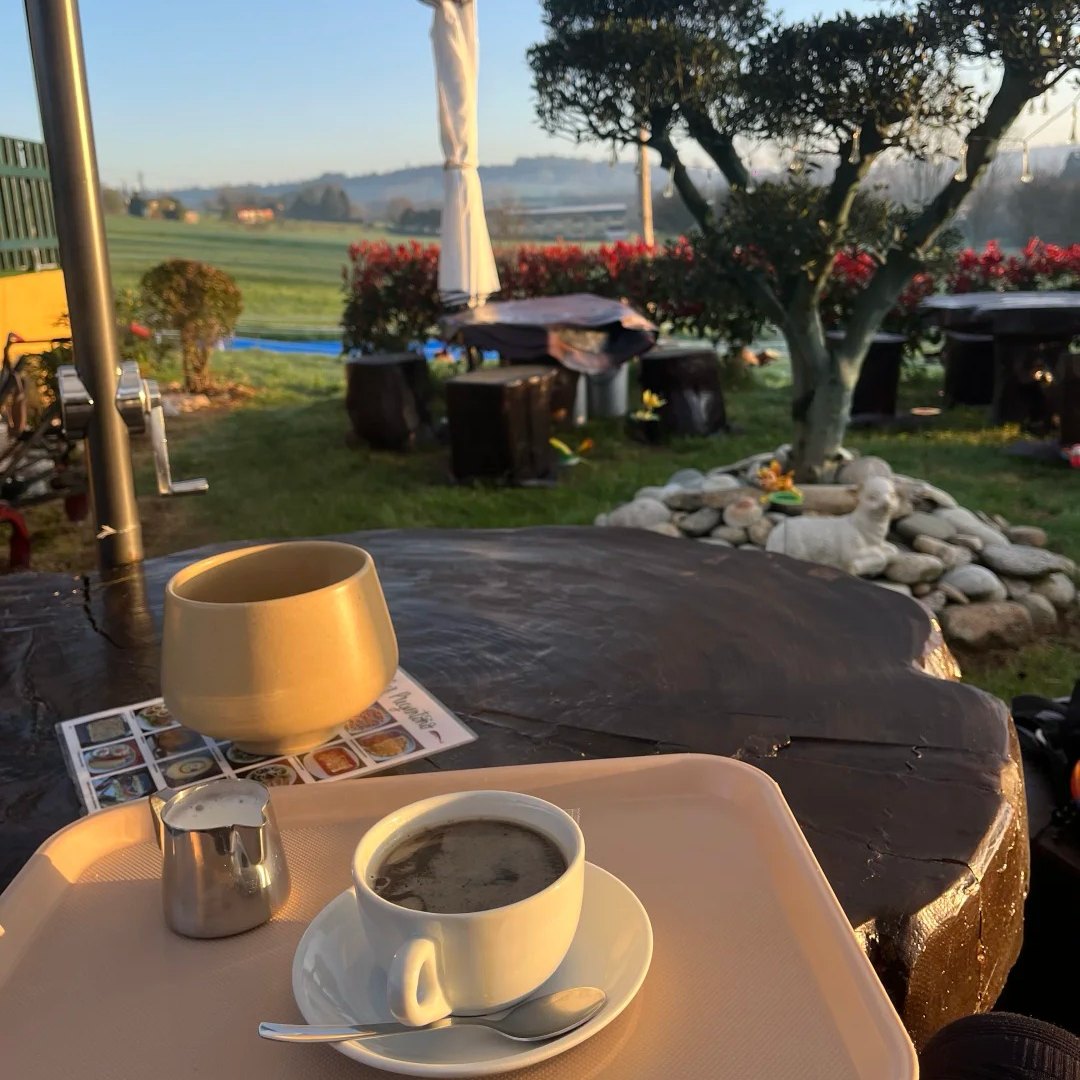
After walking over 800 kilometers on the Santiago Ways, I can tell you this: eating along the route is way simpler and more enjoyable than you’d expect.
Real Dining Experience on the Santiago Ways
The restaurant layout along the Santiago Ways is surprisingly thoughtful. Local owners understand what pilgrims need, so most establishments sit close to the trail, offer fair prices, and provide warm service. What impressed me most were those pilgrim-specific menus – well-balanced nutrition, perfect portions, and wallet-friendly prices.
Small Villages vs Big Cities
- Small villages: Usually just cafetería-bars
- Larger cities: Plenty of cafés, restaurants, even fine dining options
Types of Dining Establishments
Cafeterías
Opening Hours: 7:00-8:00 AM start, close evenings Main Offerings: Breakfast, sandwiches, coffee, pastries Vibe: Quiet atmosphere, perfect for recharging
Price Reference:
- Breakfast: €2-3 (toast + drink)
- Sandwich meals: €3-5
- Water (500ml): €0.50
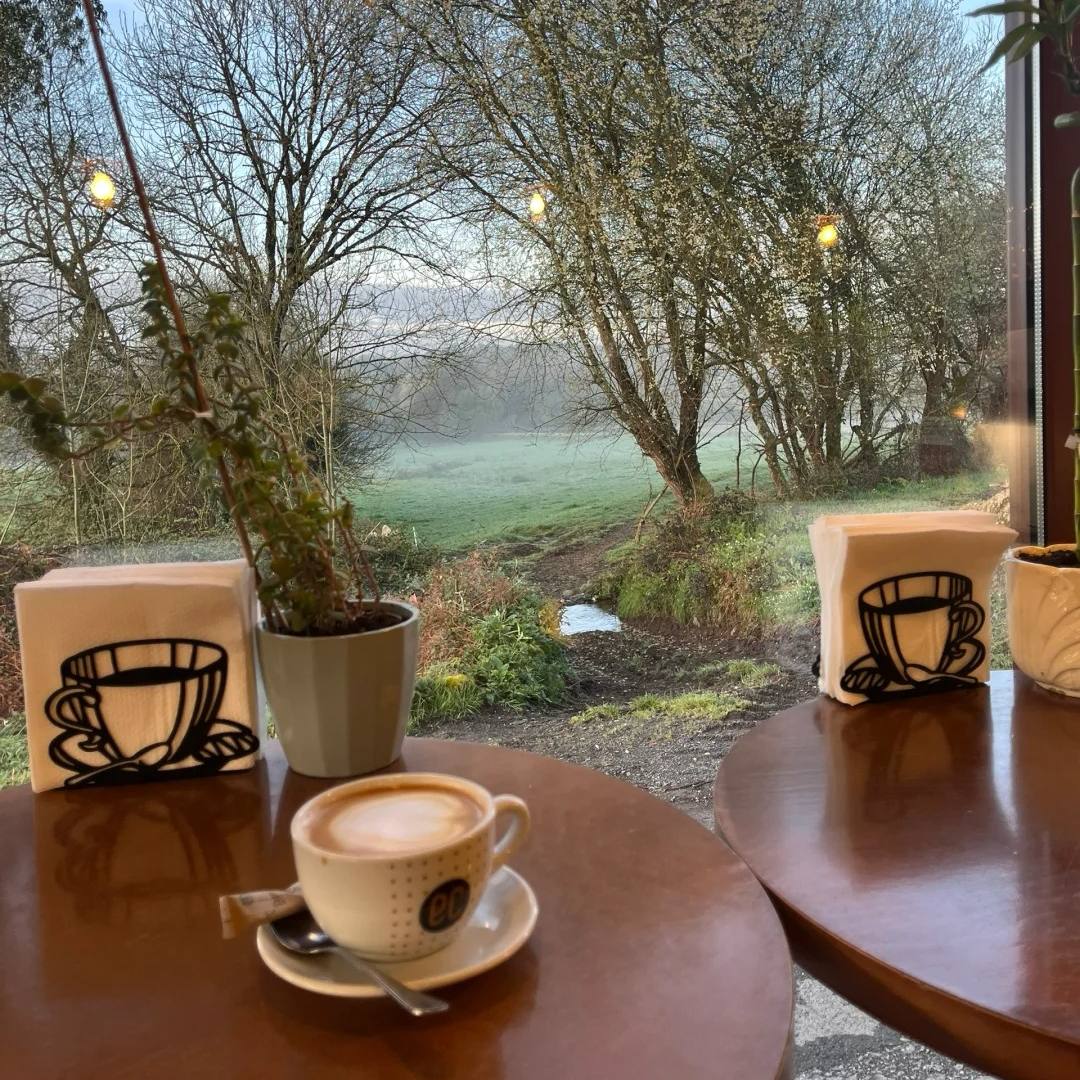
Cafetería & Bar
Opening Hours: 7:00-8:00 AM until midnight Service: All-day dining from breakfast to dinner
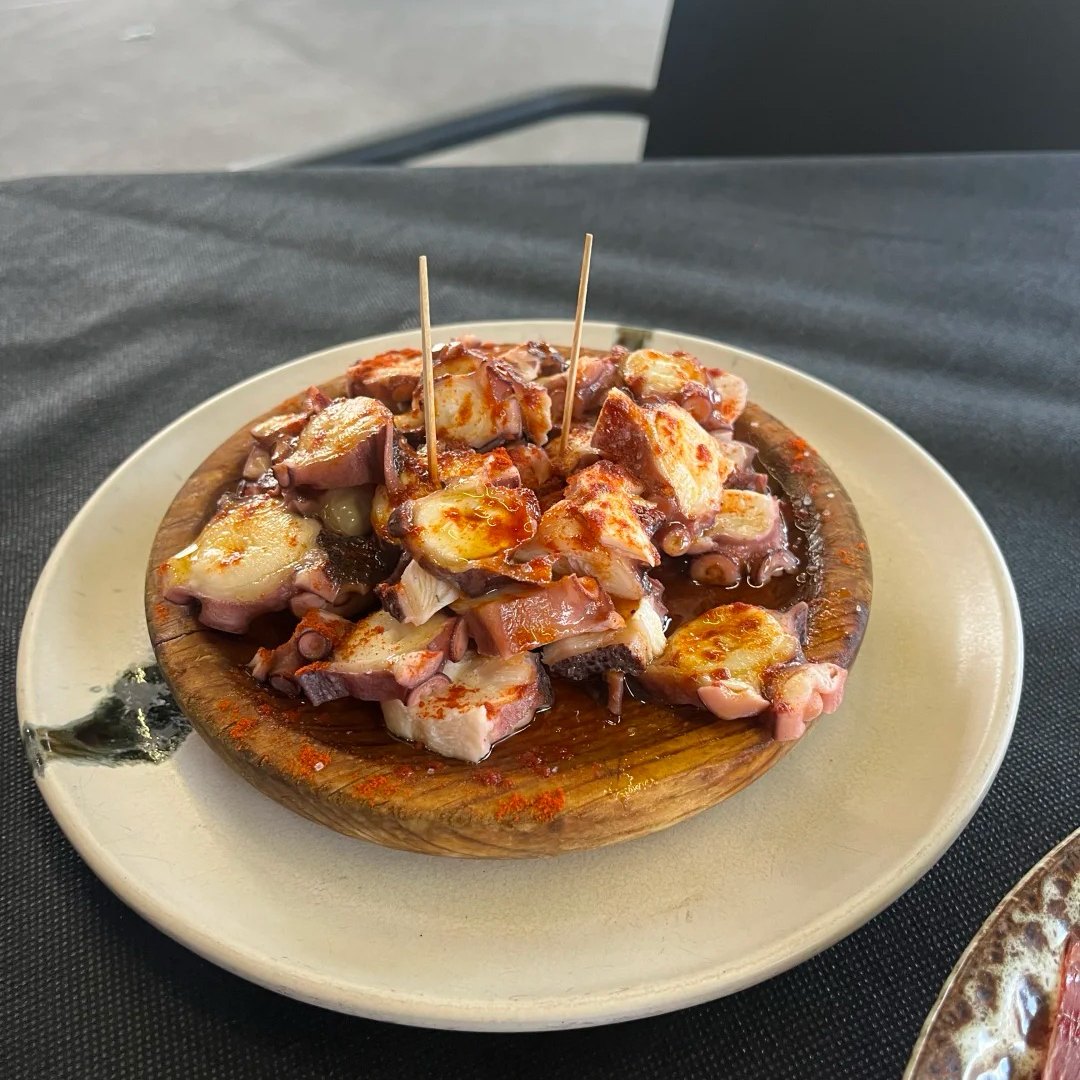
Pilgrim Menu (Comida de Peregrinos):
- Includes: Two courses + dessert/fruit salad + drink
- Price: €7-9
- Value: Much cheaper than ordering individually
Daily Menu in Cities: Around €10 per person
Restaurante
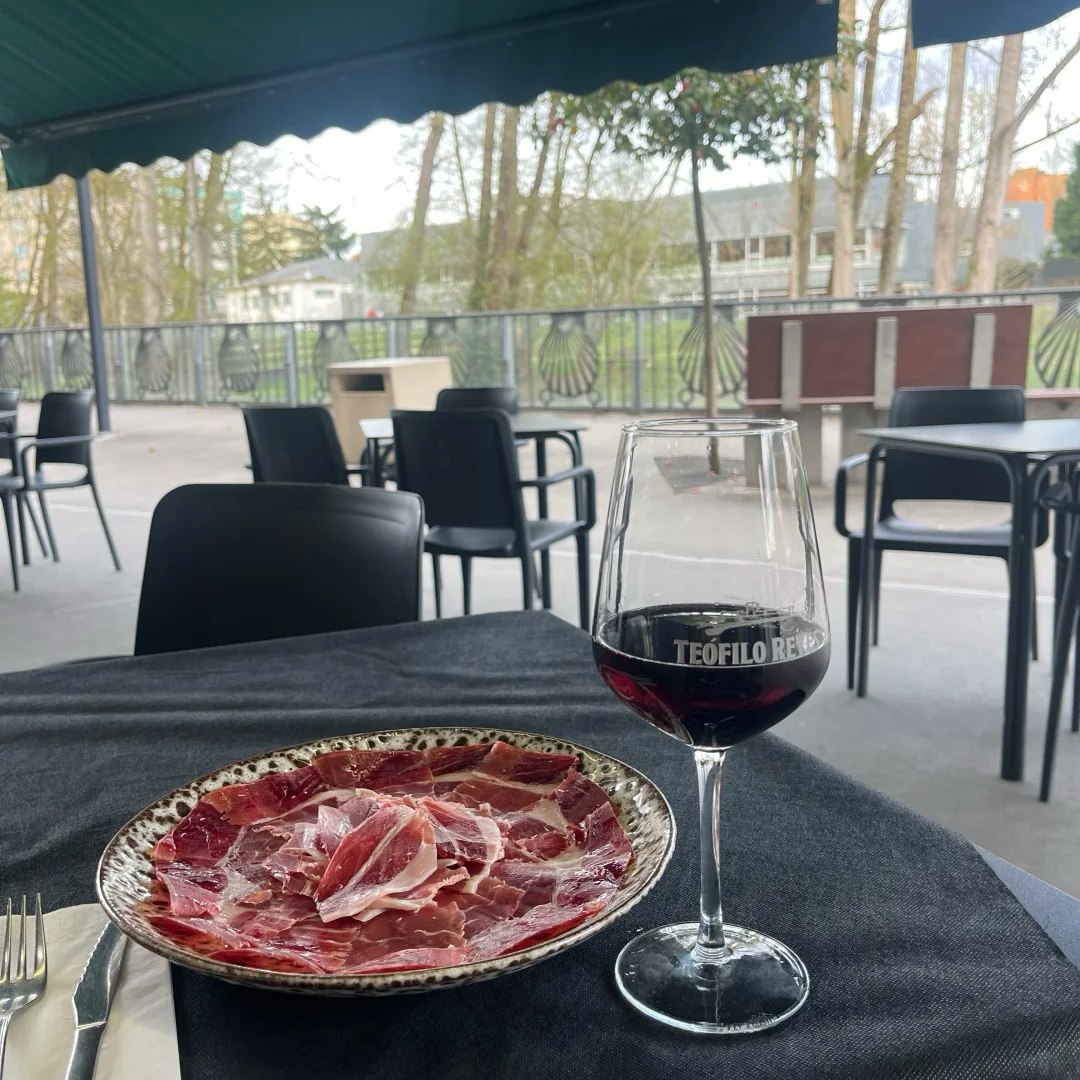
Opening Hours: Lunch service starts around 2:00 PM Specialty: Proper meals for lunch and dinner, occasional special deals
Tipping Culture
Spain doesn’t have a mandatory tipping culture, especially in small eateries. However, if you’re dining at upscale restaurants or received exceptional service, leaving a small tip shows appreciation.
Self-Catering: Budget-Friendly and Social
At €2-3 per meal, the appeal is obvious. Many pilgrims I met chose to cook for themselves – it saves money and creates unique experiences.
Kitchen Facilities Reality
Most Albergues Provide:
- Shared kitchens
- Basic cookware
- Nearby supermarkets for ingredients
Limitations to Expect:
- Equipment and supplies aren’t always complete
- Some places only have microwaves, no stoves
- No basic seasonings like oil and salt provided
Pilgrim Sharing Culture
The warmest experiences happen when fellow pilgrims organize group meals. Everyone chips in a few euros, divides tasks, then enjoys the meal together. Language barriers disappear when good food and laughter fill the room.
Practical Tips:
- Previous pilgrims often leave seasonings and ingredients for others
- Leave leftover ingredients for future pilgrims if carrying them is too heavy
- Learn to improvise and work with what’s available
Practical Recommendations
Budget Planning:
- Eating out: €15-20 daily
- Self-catering: €6-9 daily
- Mixed approach: €10-15 daily
My Experience: The mixed approach works best. Grab breakfast at a local café for authentic atmosphere, have lunch at a cafetería-bar when tired (those pilgrim menus are lifesavers), then cook dinner at the albergue while chatting with other pilgrims.
Remember, dining on the Santiago Ways isn’t just about filling your stomach – it’s about cultural exchange and human connection. Whether you’re in a cozy village bar or sharing a communal kitchen, you’ll discover unexpected moments of joy that make the journey truly special.
Ready to start planning your Santiago pilgrimage? Check out our comprehensive Santiago Ways: Complete Guide to Spain’s Epic Pilgrimage Routes for everything you need to know about routes, accommodation, packing, and preparation tips.
