
Solo travel accommodation in Europe means sharing space with strangers. After countless nights in hostels across Spain, Italy, Austria, and beyond, here’s what actually works for female travelers on a budget.
Why Hostels Are Your Best Friend
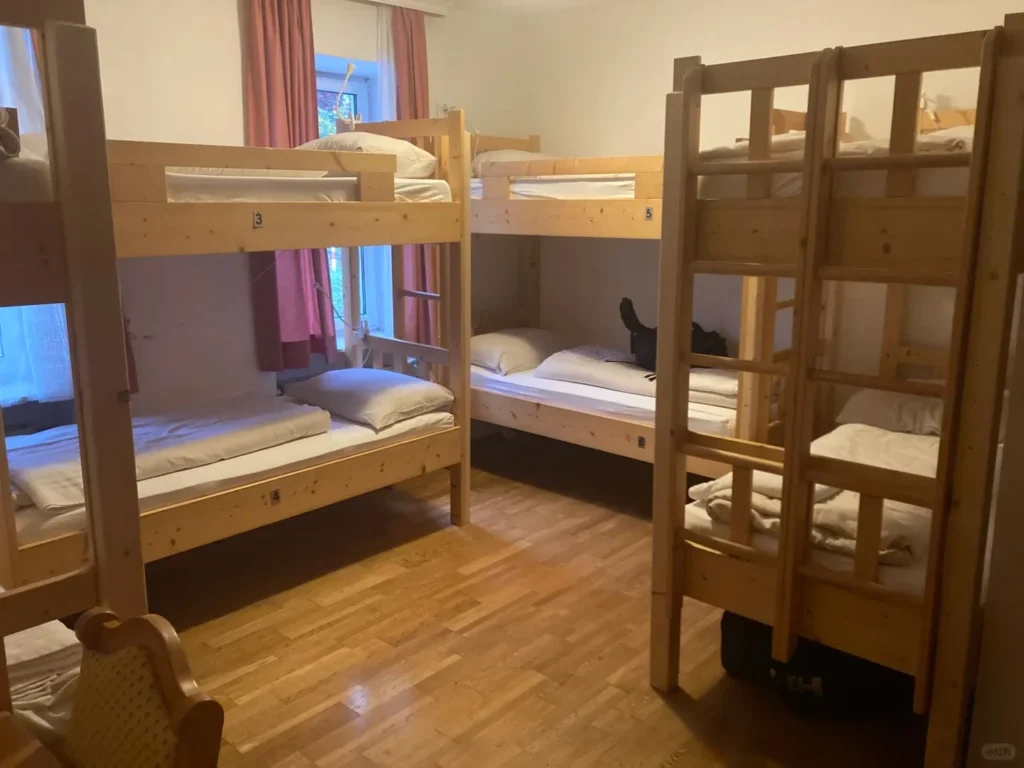
I almost always book female-only 4-6 bed dorms in quality hostels. Europe is expensive – hostels run €20-50 per night – but paying slightly more for decent places is worth it.
More people equals more problems: noise, questionable hygiene, and chaos. In Prague, I slept below a guy who smelled like he hadn’t showered in weeks. As someone particular about cleanliness, it was genuinely awful.
What to Look for in a Hostel
Privacy: Choose hostels with curtained beds when possible.
Room size and ventilation: Spacious rooms with windows matter. I stayed at a Madrid hostel with a dozen beds crammed together – no fresh air, that distinct “human” smell, and morning headaches.
Location: Choose hostels near attractions, transport, or supermarkets. The extra €10 per night beats spending €15 daily on transport.
Amenities: Most hostels have washing machines and kitchens, essential for longer trips.
How to Choose the Right Place
Research on Booking.com and similar platforms. Read reviews and check room photos, including details like bed charging outlets.
Golden rule: slightly more expensive hostels are almost always cleaner and more comfortable. Some feel more like boutique hotels than student dorms.
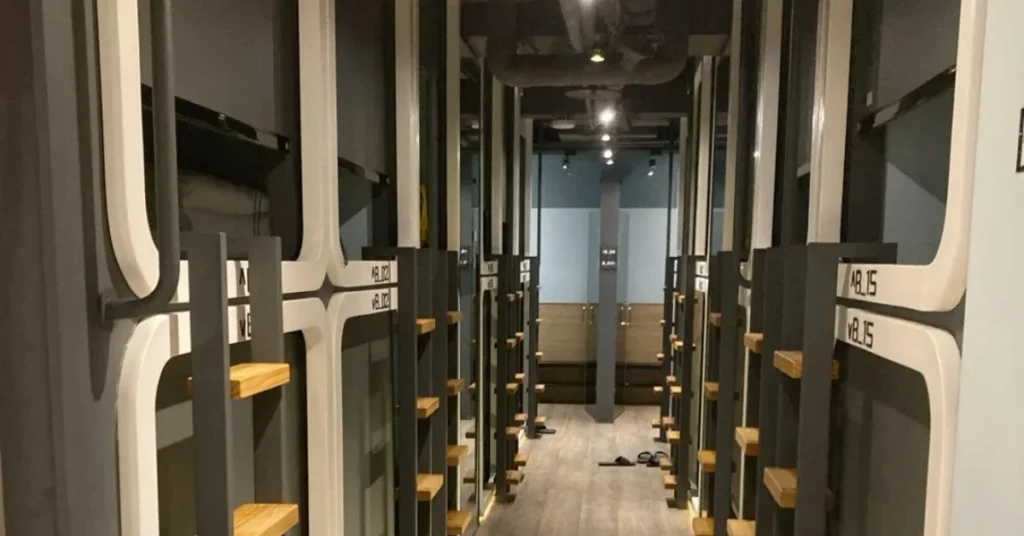
Consider pod or capsule-style hostels for better privacy and quiet, though bring earplugs.
Essential Hostel Survival Tips
Bring a small padlock: Hostels provide lockers, but you need your own lock.
Ask for room changes: If uncomfortable with roommates, talk to reception. Most places are understanding.
Pack smart: Quick-dry towel, shower shoes, and sleep mask are hostel essentials.
Why I Choose Hostels Over Hotels
Solo hotel stays can feel isolating and unsafe. Having other people around provides reassurance, especially at night. Plus, hostels are where you meet fellow travelers – many of my best travel friendships started in hostel common rooms.
What Not to Do
Don’t sleep in parks, train stations, or airports. Stations and airports are freezing and noisy at night; parks are unsafe. Poor sleep ruins your next day, defeating the purpose of saving money.
The goal isn’t just saving money – it’s traveling sustainably while enjoying the experience. Good sleep in a clean, safe place is worth the investment.
