
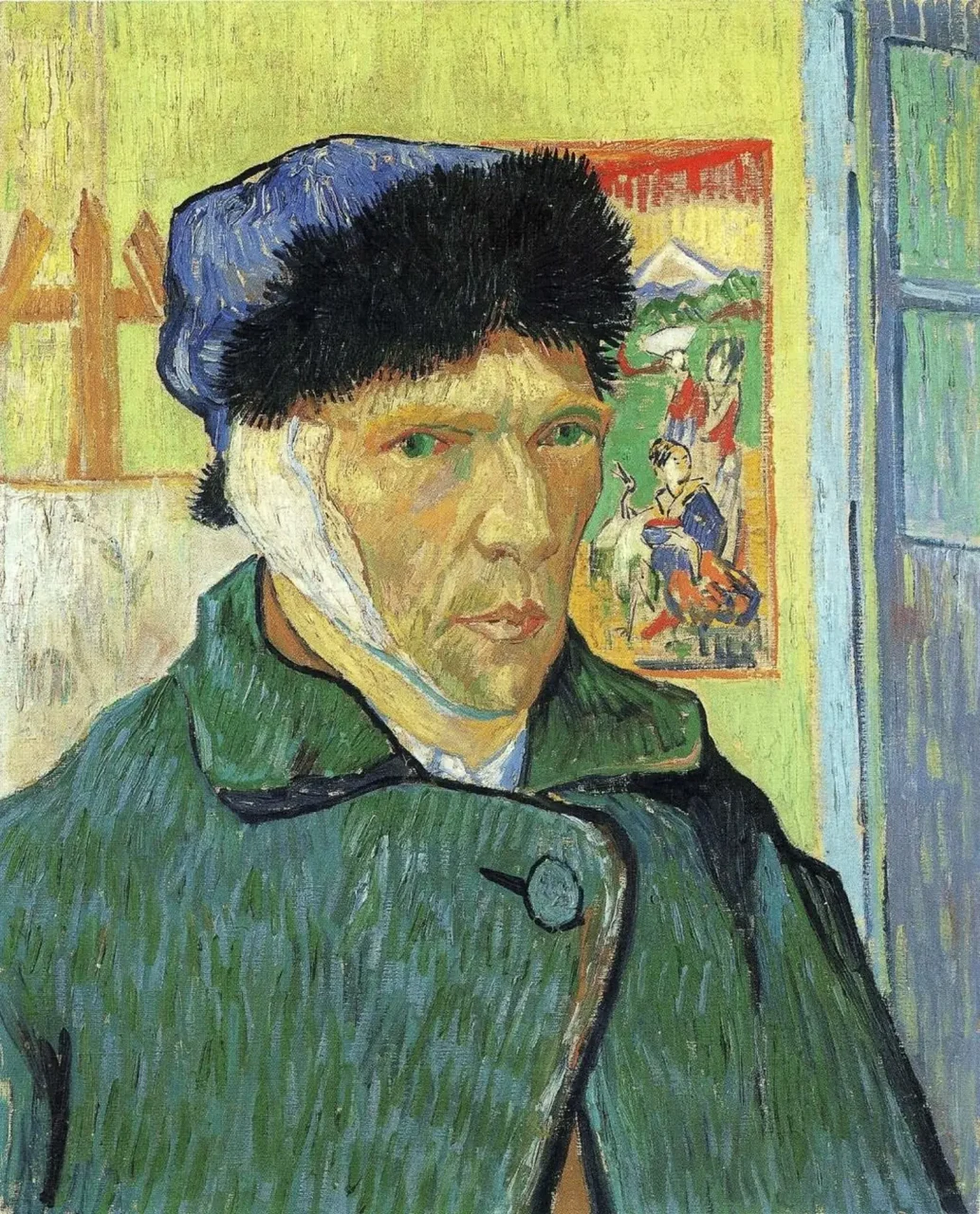
Here’s the thing about Van Gogh – everyone thinks they know his story. Tortured artist, cut off his ear, died unknown and unappreciated. But reading his letters to brother Theo reveals a different truth. Vincent wrote that his only concern was “the debt I still owe to the world” – he wanted to leave behind sketches and paintings as “souvenirs” for future generations.
Well, Vincent, mission accomplished. You didn’t just pay that debt – you created a cultural legacy that draws millions of travelers to France every year.
What most people don’t realize is that France is basically one giant Van Gogh museum, and you can walk through his actual life story. I’m not talking about some cheesy tourist trail. This is the real deal – the places where Vincent lived, worked, and created some of the most famous paintings in history.
Paris: Where It All Started
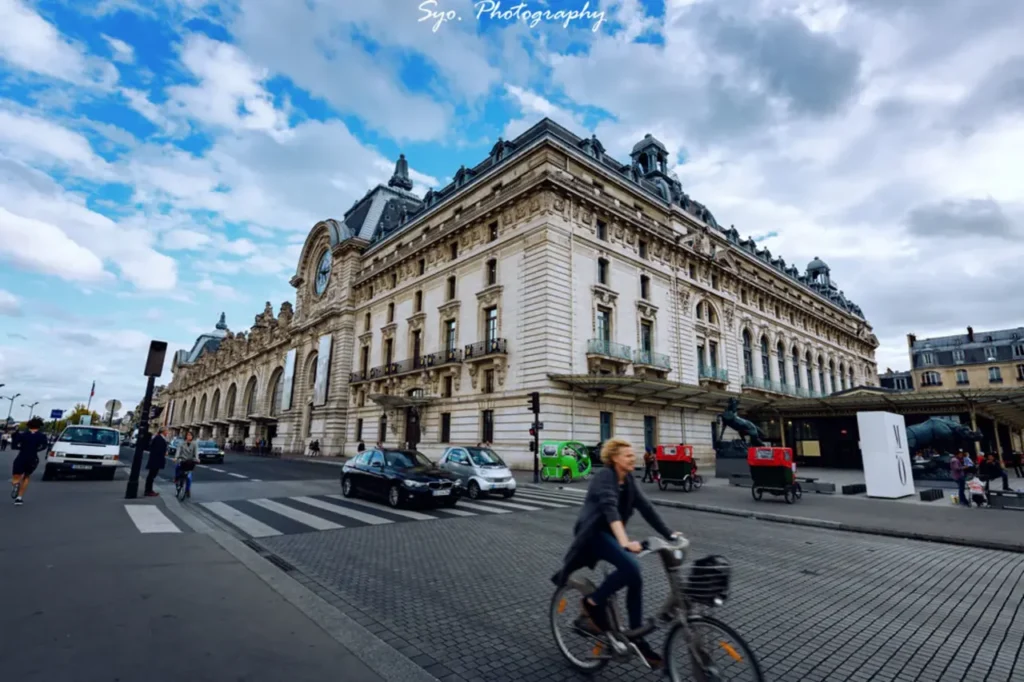
Musée d’Orsay
Your Van Gogh journey should begin at the Musée d’Orsay, home to the world’s best collection of Impressionist art. This place isn’t just a museum; it’s where you’ll understand why Van Gogh’s work was so revolutionary.
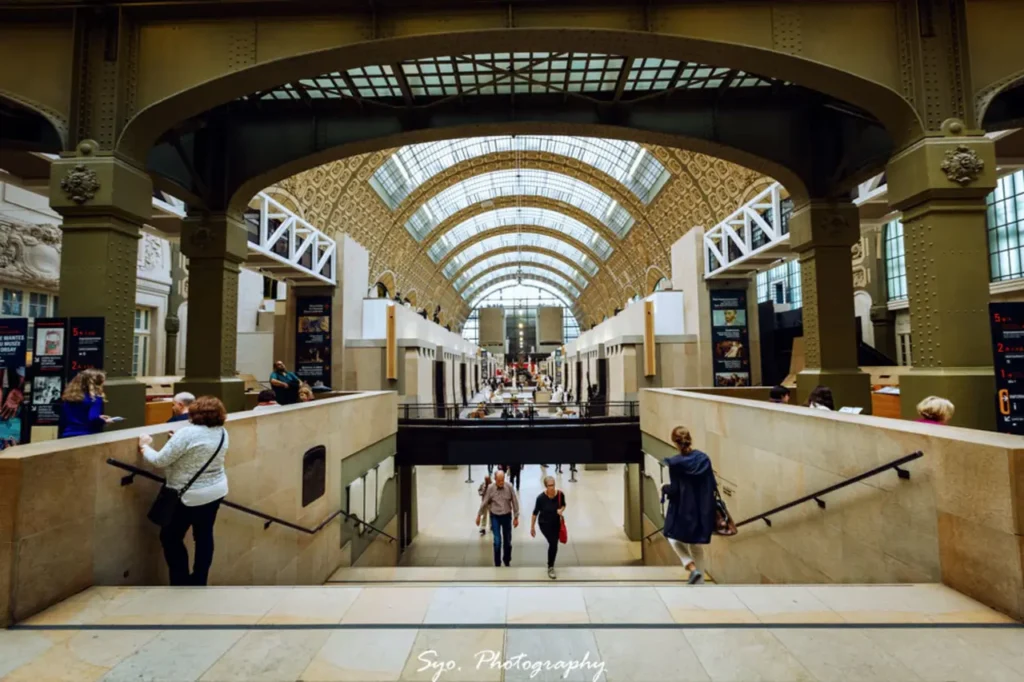
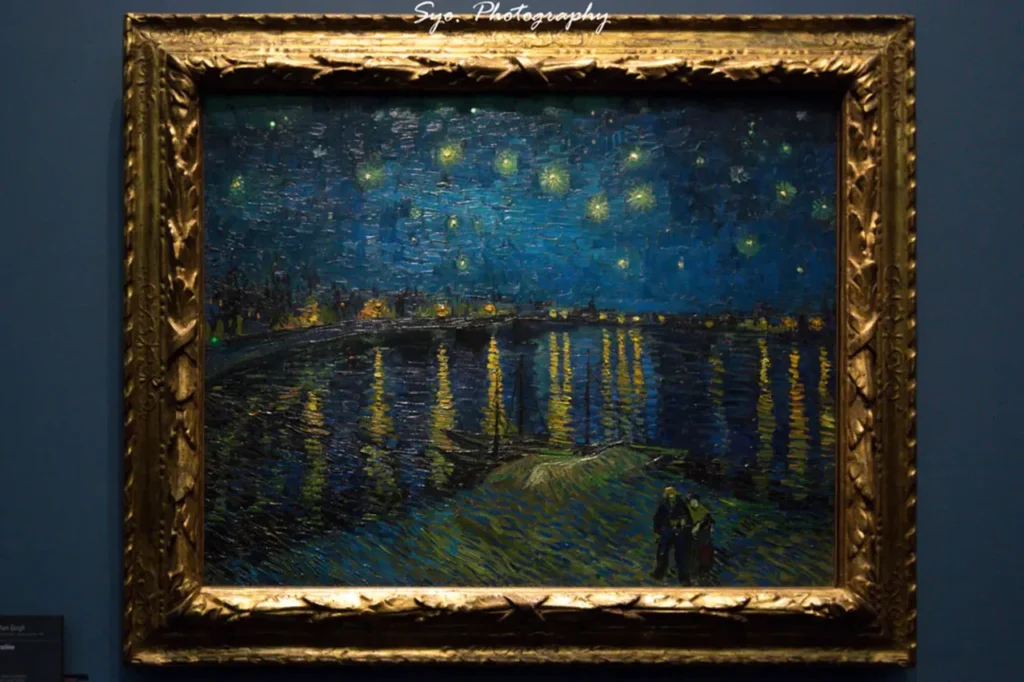
“Starry Night Over the Rhône” hits different when you’re standing three feet away from it. Those bold blue brushstrokes, the way he captured the gas lamps reflecting on the water – no photograph does justice to the texture and intensity of his paint application.
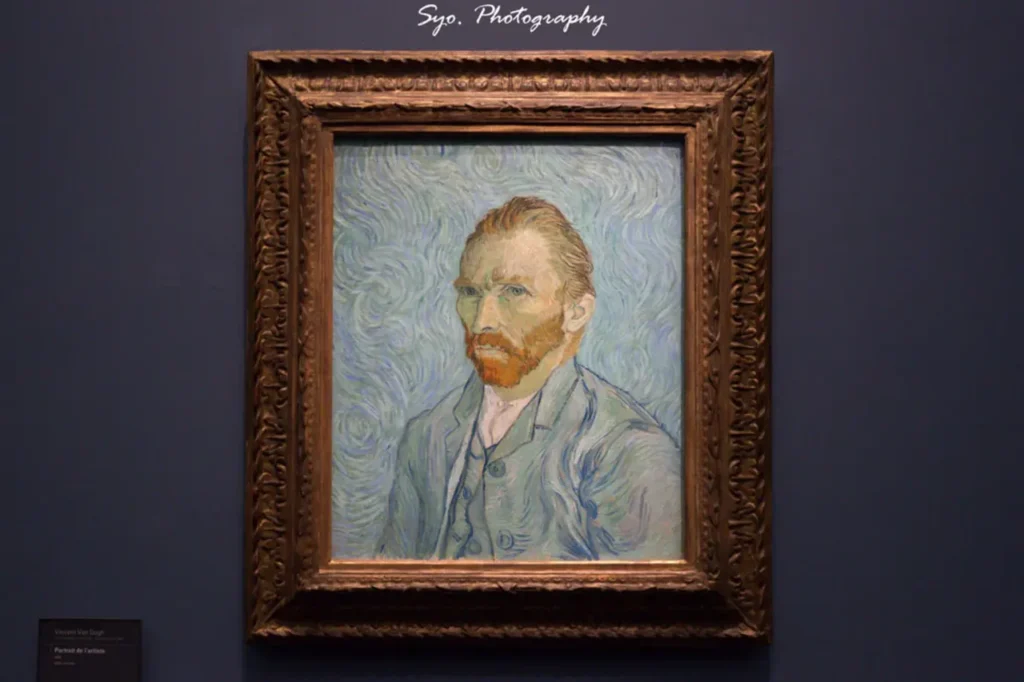
The museum houses several of his most famous works: “The Bedroom in Arles,” “The Church at Auvers,” and “The Dance Hall in Arles” – a collaboration with Gauguin that was completed just before their famous falling out.
Maisonde Van Gogh
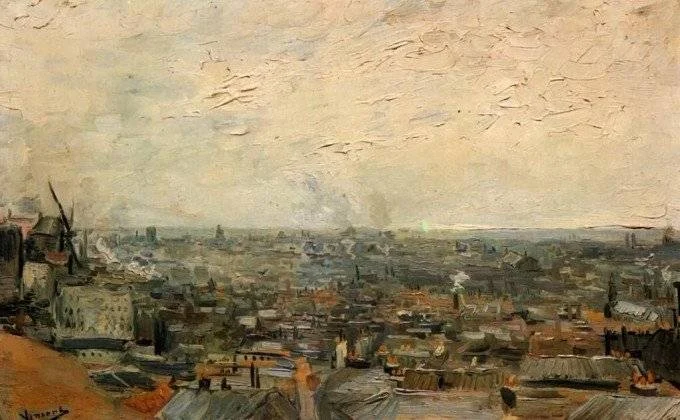
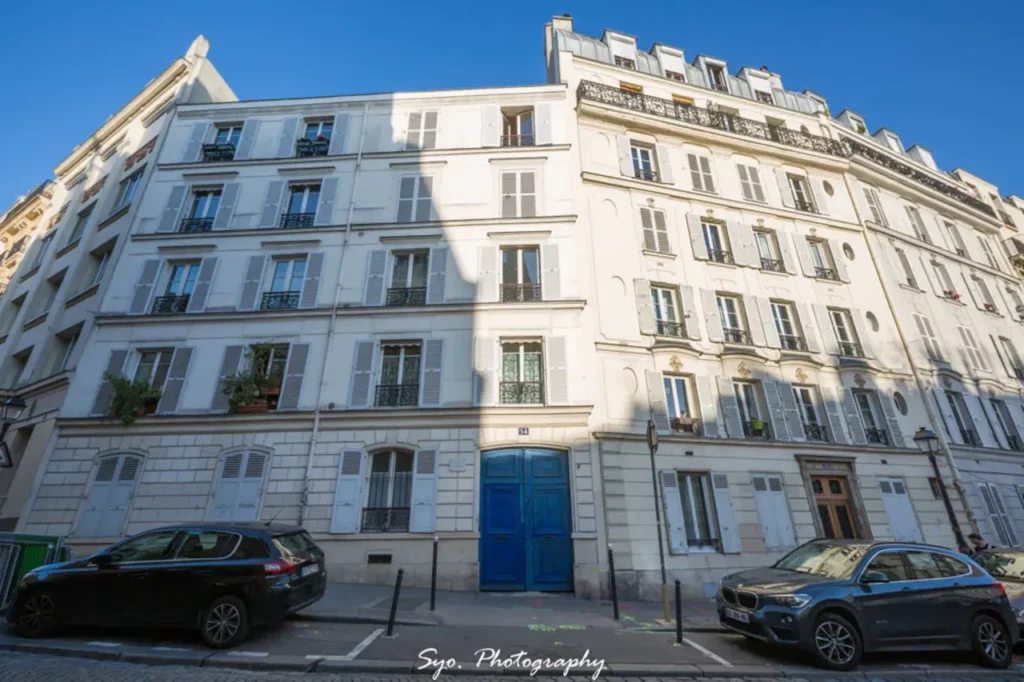
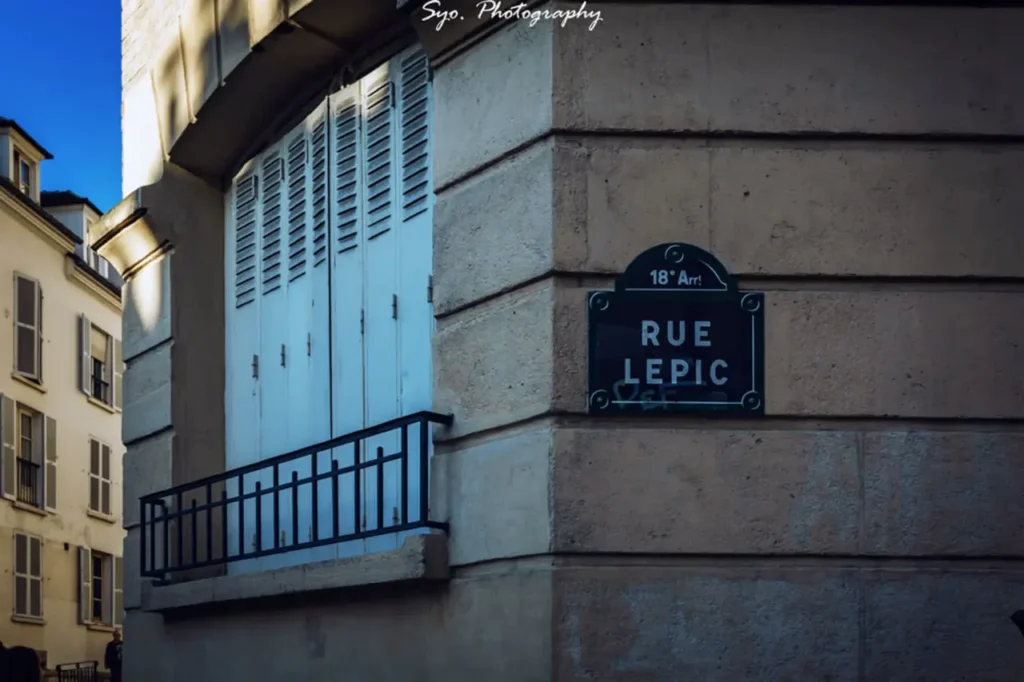
After the museum, head to Montmartre to find Vincent’s former home at 54 Rue Lepic. This was where he lived with his brother Theo from 1886-1888. Walking through Montmartre, you can still feel that artistic energy that drew so many creators here.
Standing in front of Theo’s old place, you can’t help but think about Vincent’s fate – how different things might have been if he’d lived in our time when his genius was recognized. But maybe that struggle, that isolation, was what made his art so powerful. Perhaps Vincent chose to live authentically, on his own terms, regardless of fame or fortune.
Espace Van Gogh
If Paris introduced you to Van Gogh’s art, Arles will show you his soul. This southern French town is where Vincent produced over 300 paintings and drawings in just 15 months.
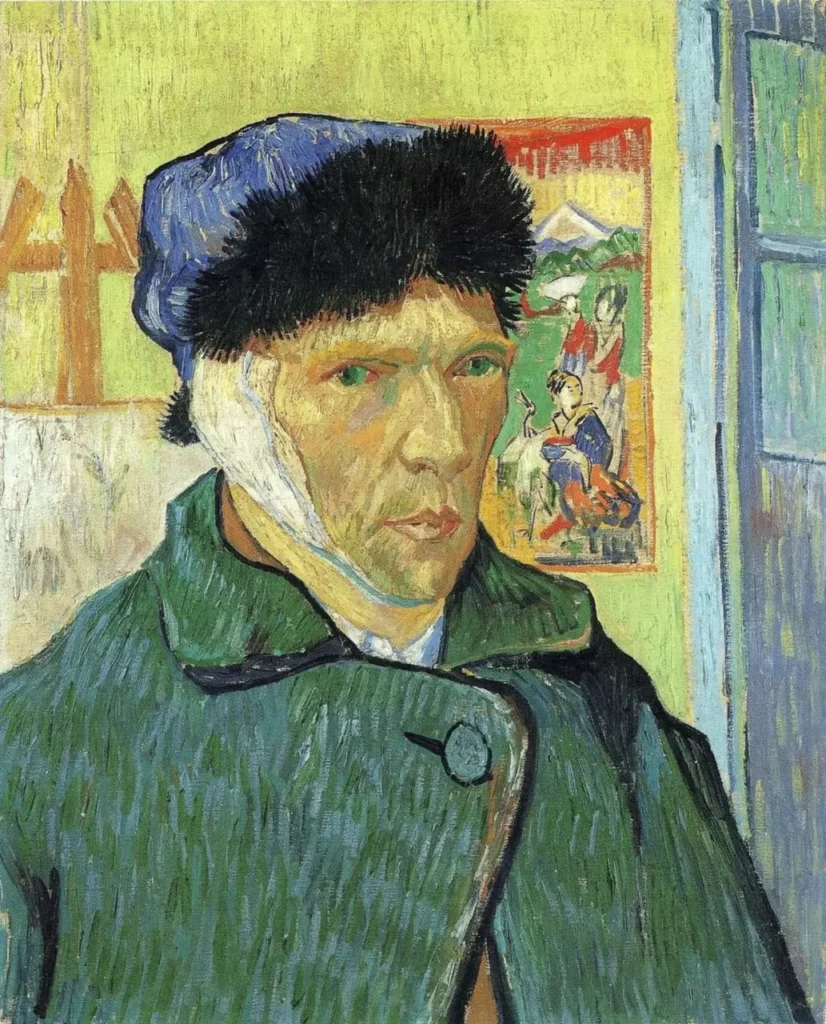
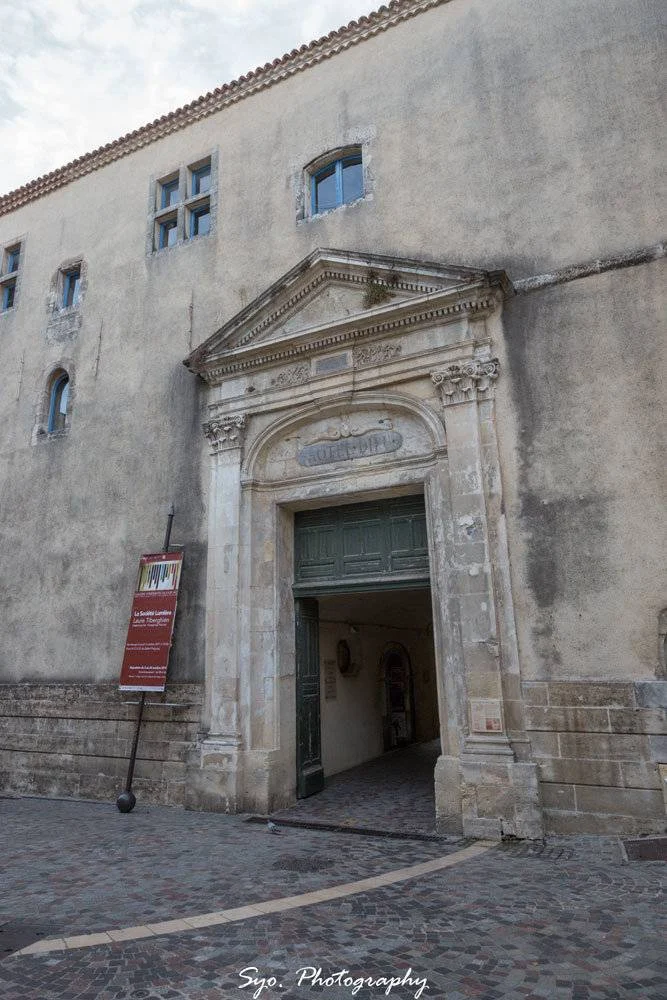
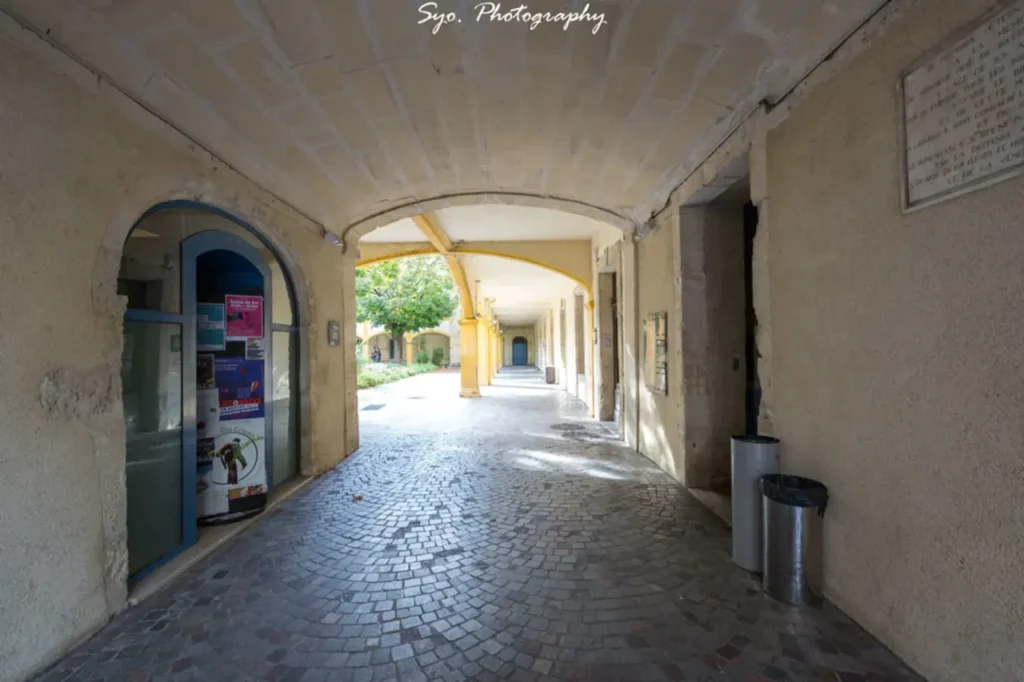
The Espace Van Gogh (the former hospital) is where Vincent recovered after cutting off his ear in 1888. The building now houses shops and a cultural center, but here’s the frustrating part – when I visited on a Sunday, the upper floors were closed with no explanation. The shopkeeper just shrugged and said “if it’s closed, you can’t go up.” Spending time wandering the ground floor courtyard, feeling that disappointment, somehow made the experience more real. This is where Vincent’s mental state was at its most fragile, yet where he continued creating.
Café Van Gogh
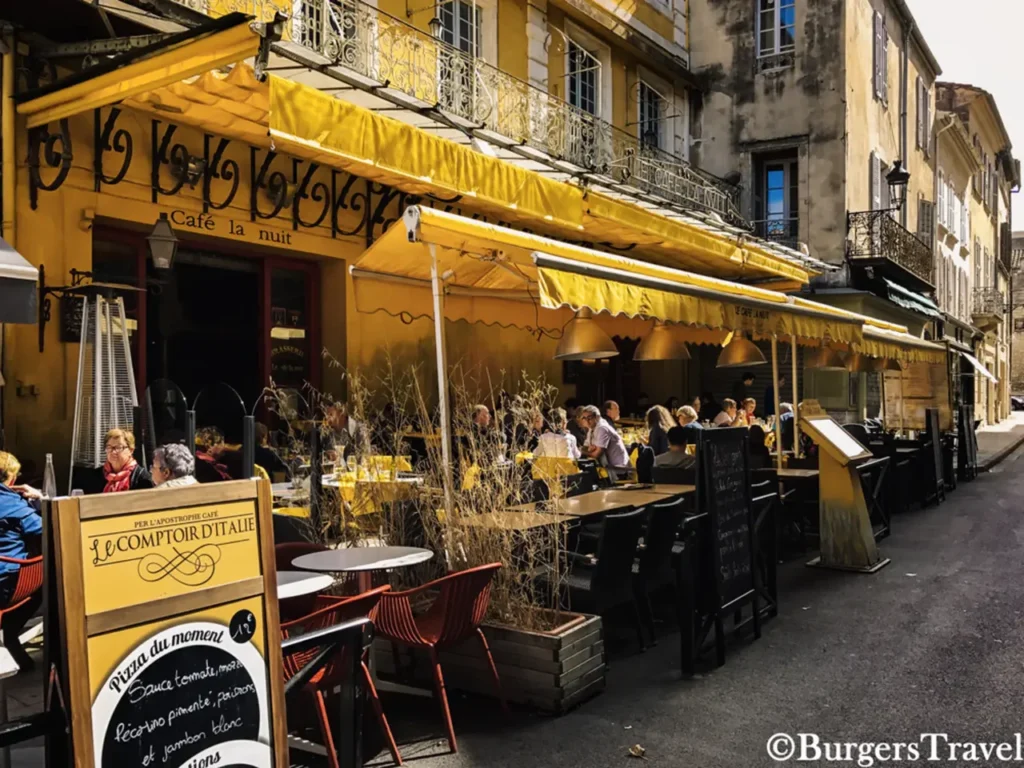
The famous Café Van Gogh, located west of the Roman Arena, takes its name from Vincent’s 1888 painting “Café Terrace at Night” (now housed in the Kröller-Müller Museum in the Netherlands). This isn’t the original café where Vincent stayed – that was destroyed in WWII. What you’re seeing is a reconstruction based on his painting, rebuilt and renamed as “Café Van Gogh.”
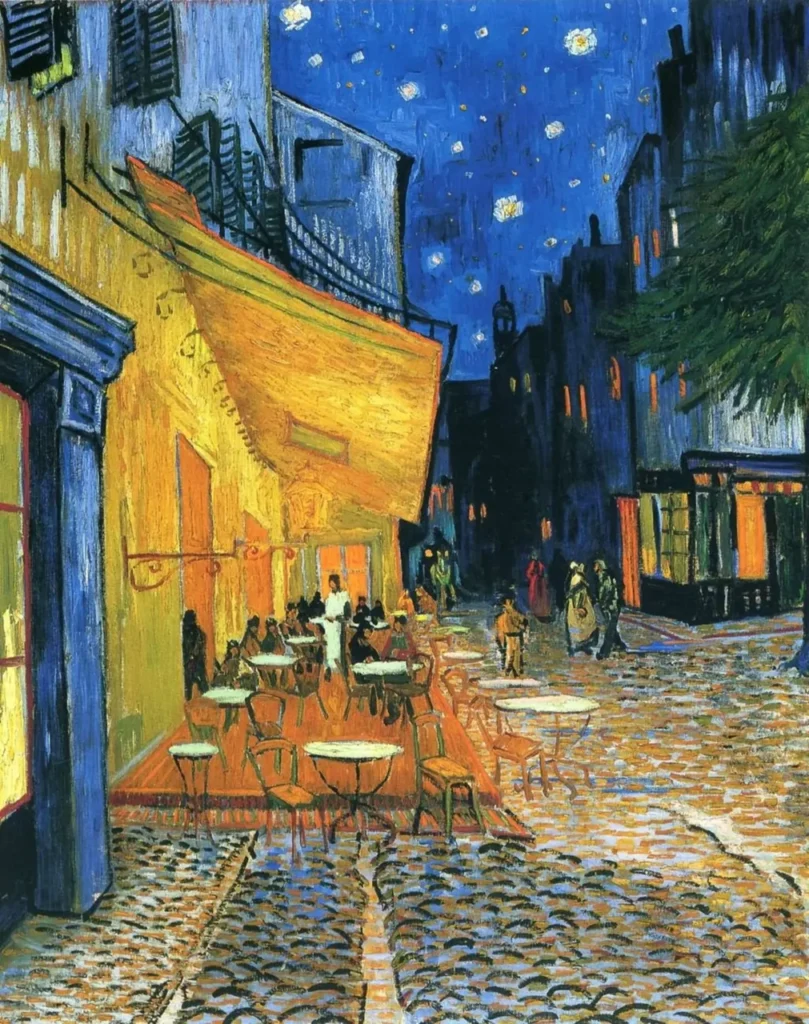
But here’s what makes it special: they’ve maintained that iconic yellow exterior and awning that Vincent immortalized. Tourists flock here hoping to connect with the artist through a simple cup of coffee. If you’re lucky enough to get a table in the back section, you can look out the windows and see those golden wheat fields, dark green olive groves, and the towering Langlois Bridge – the same recurring scenes that filled Vincent’s canvases.
Arènes d’Arles
Don’t miss the Roman Arena – though here’s the honest truth: if you’ve been to Rome’s Colosseum, this feels like the pocket-sized version. Built in 40 BC, it’s 136 meters long, 107 meters wide, and could hold 26,000 spectators for chariot races and gladiatorial combat.
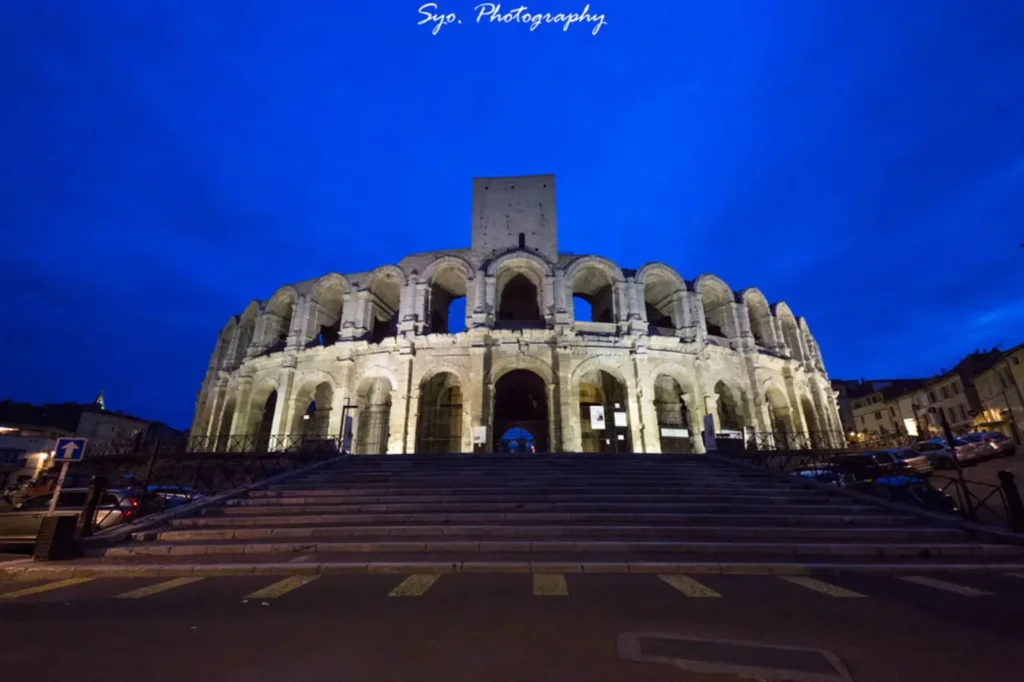
But here’s what makes it interesting from a Van Gogh perspective: Vincent wasn’t fascinated by the bloody history or even the bullfights that still happened there. Instead, he painted the crowds – the everyday people gathering around the arena. That’s classic Van Gogh, focusing on human life rather than spectacle.
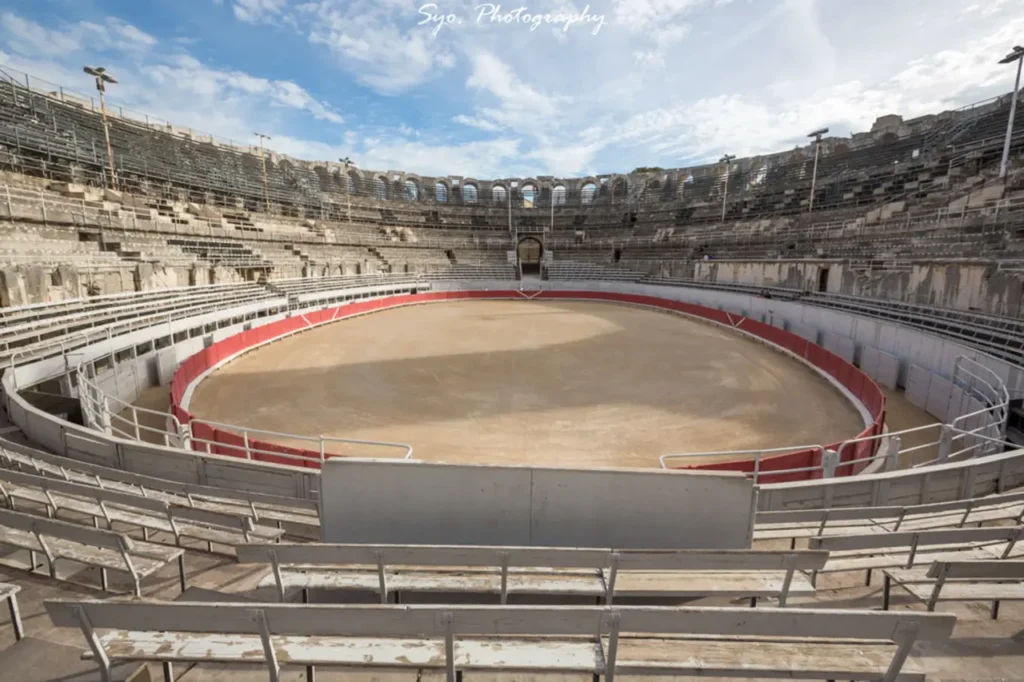
Arles is packed with Roman ruins, so if you’re into ancient history, consider getting a combined ticket for multiple sites. But honestly, Vincent’s story is the more compelling reason to be here.
Steps to the Quetta Bridge
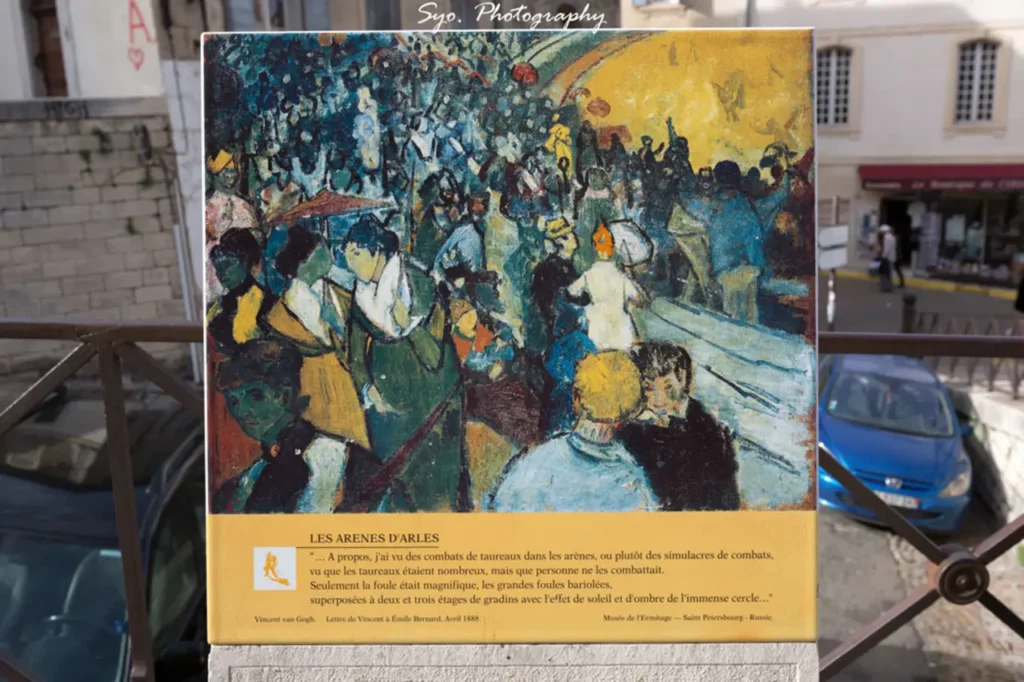
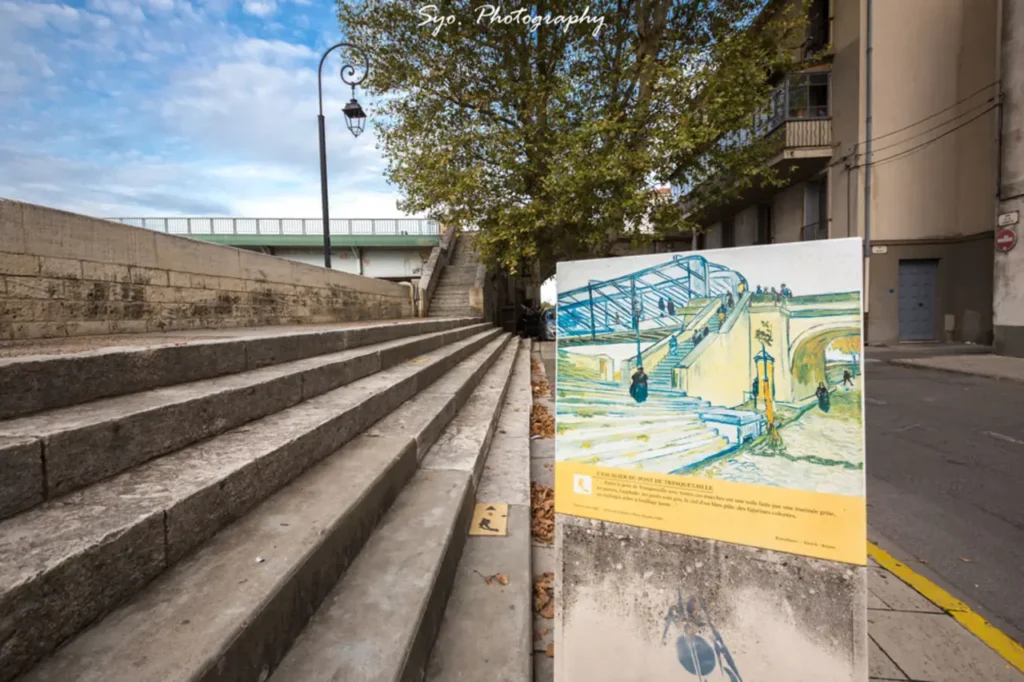
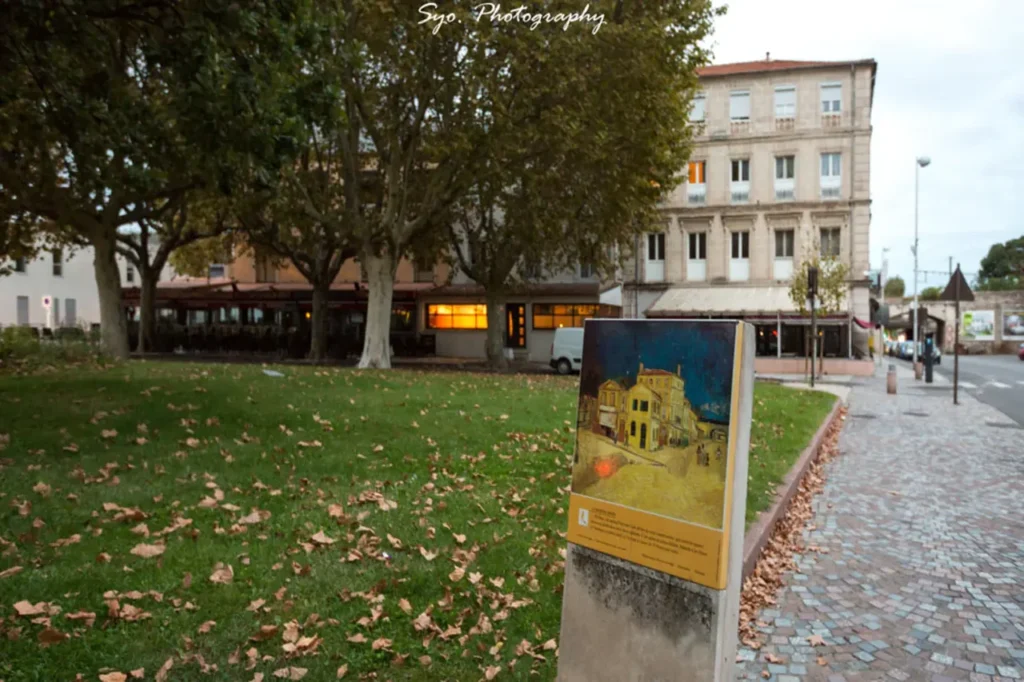
The Trinquetaille Bridge steps appear in Vincent’s painting “Pont de Trinquetaille,” and remarkably, they look almost exactly the same today. The town has thoughtfully placed a reproduction of his artwork right beside the steps so you can compare past and present.
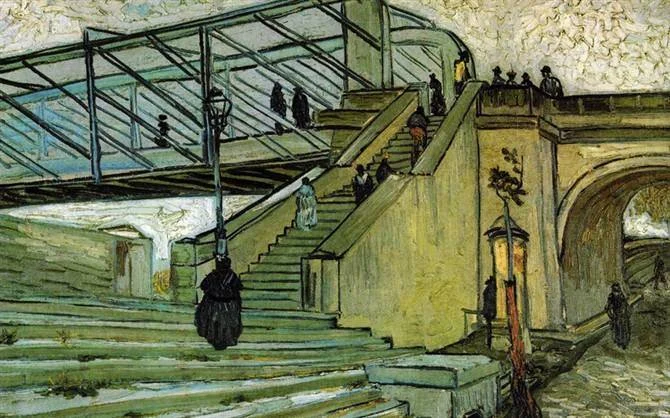
What hits you when you stand there is how that small tree from his painting has grown into something massive over the decades. It’s one of those moments where you feel the weight of time passing – things change, people come and go, but something eternal remains.
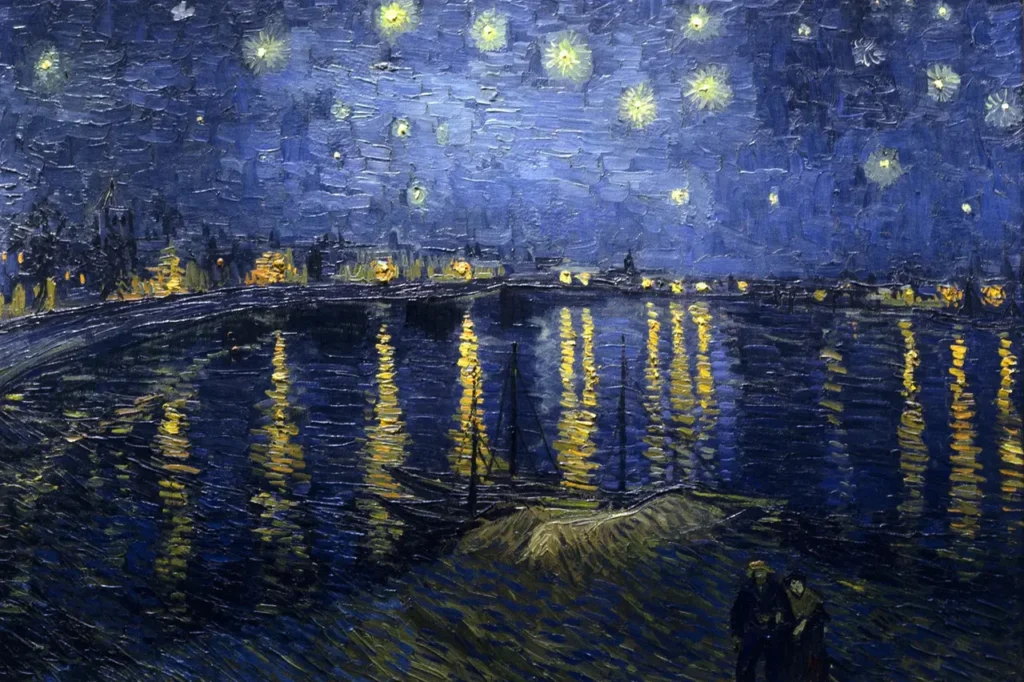
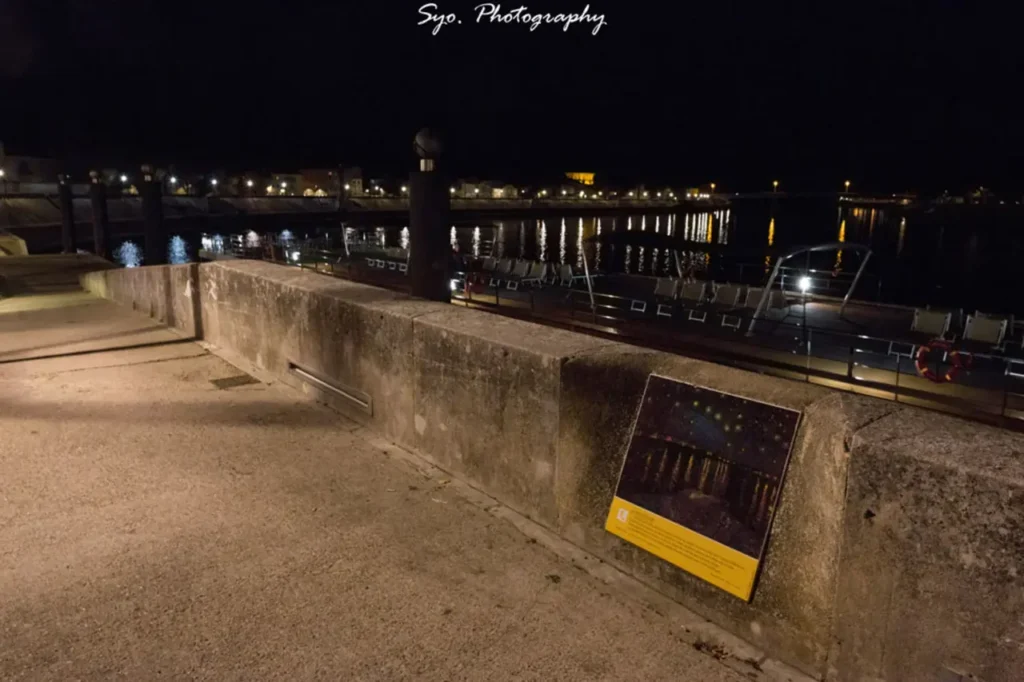
Starry Night Over the Rhône
For the famous “Starry Night Over the Rhône” location, head to the riverbank at dusk. The gas lamps still reflect on the water just like in the painting, and you understand why Vincent fell so deeply in love with this place. Walking through Arles with Vincent’s story in mind, you can’t help but admire the town’s beauty and understand his devotion to it.
Les Alyscamps
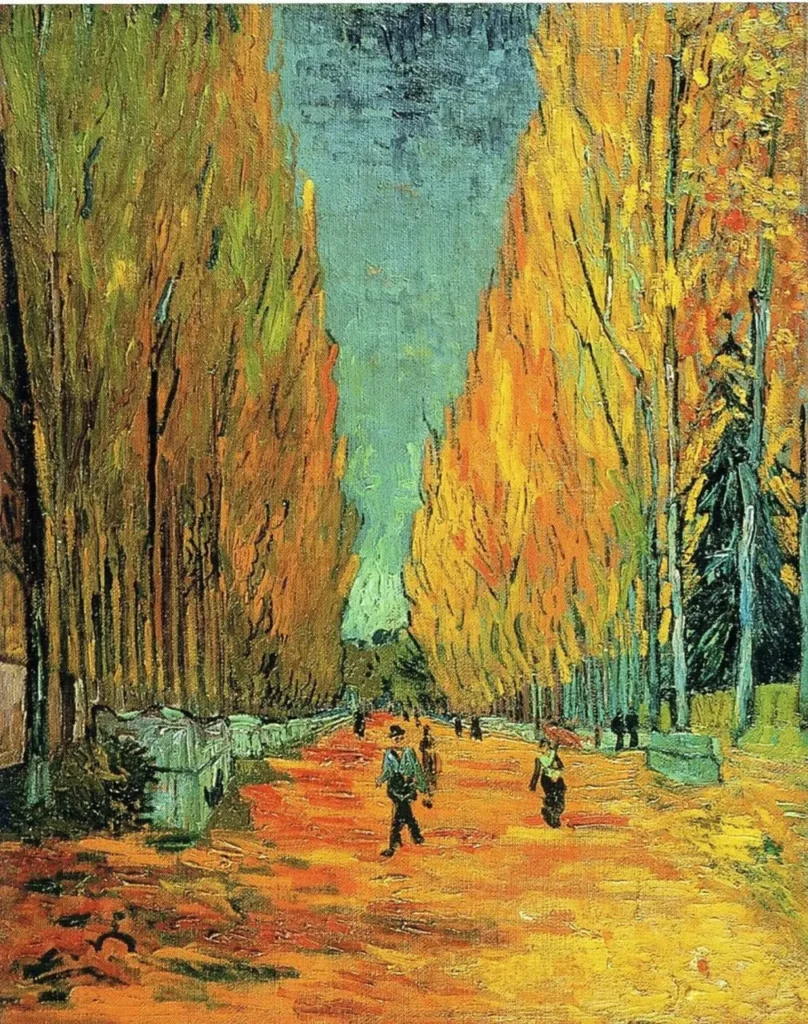
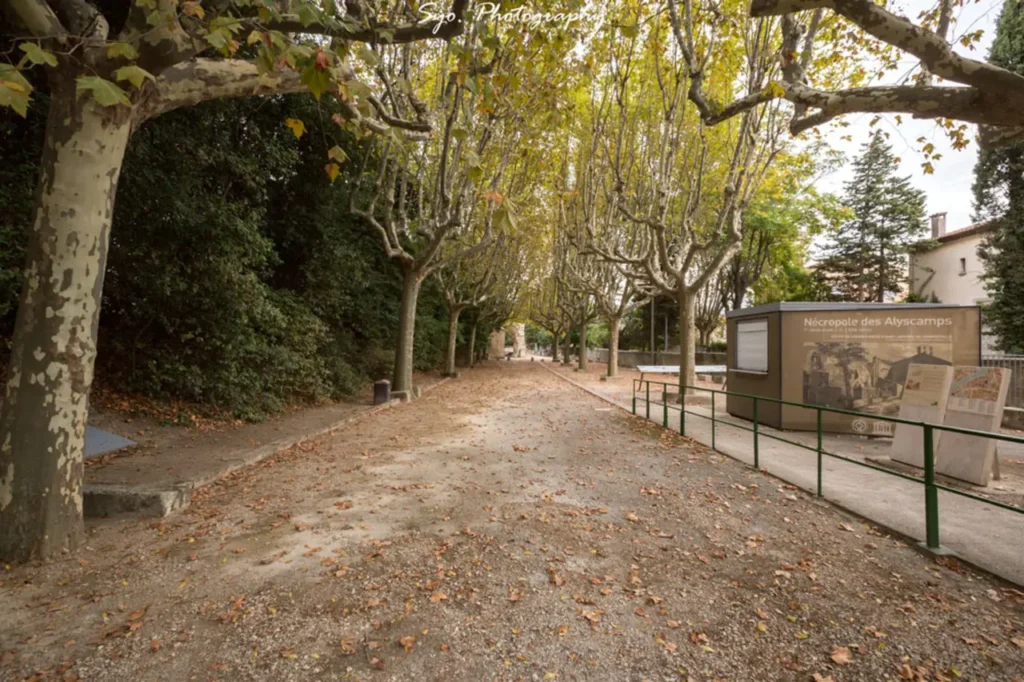
Les Alyscamps, the ancient Roman cemetery that both Van Gogh and Gauguin painted, was one of Vincent’s favorite sketching spots. Unfortunately, I arrived just after closing time and could only peer through the gate – incredibly frustrating when you’ve come so far to walk in his footsteps.Les Alyscamps
Van Gogh Bridge
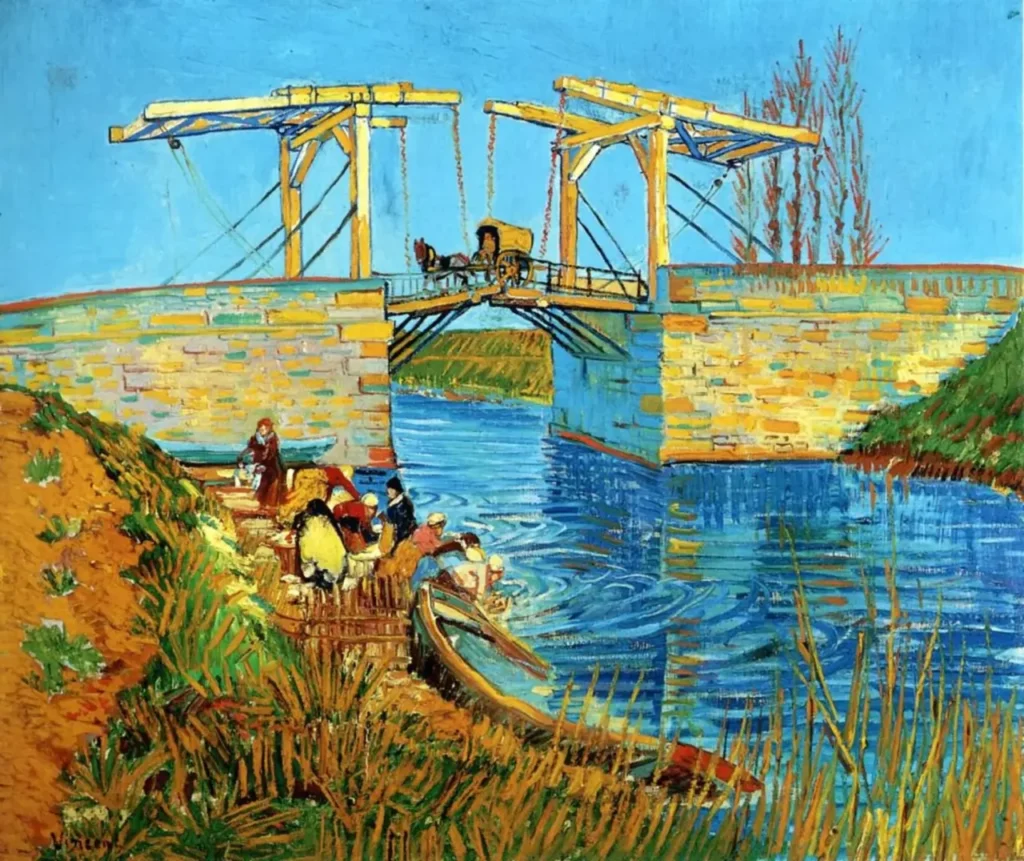
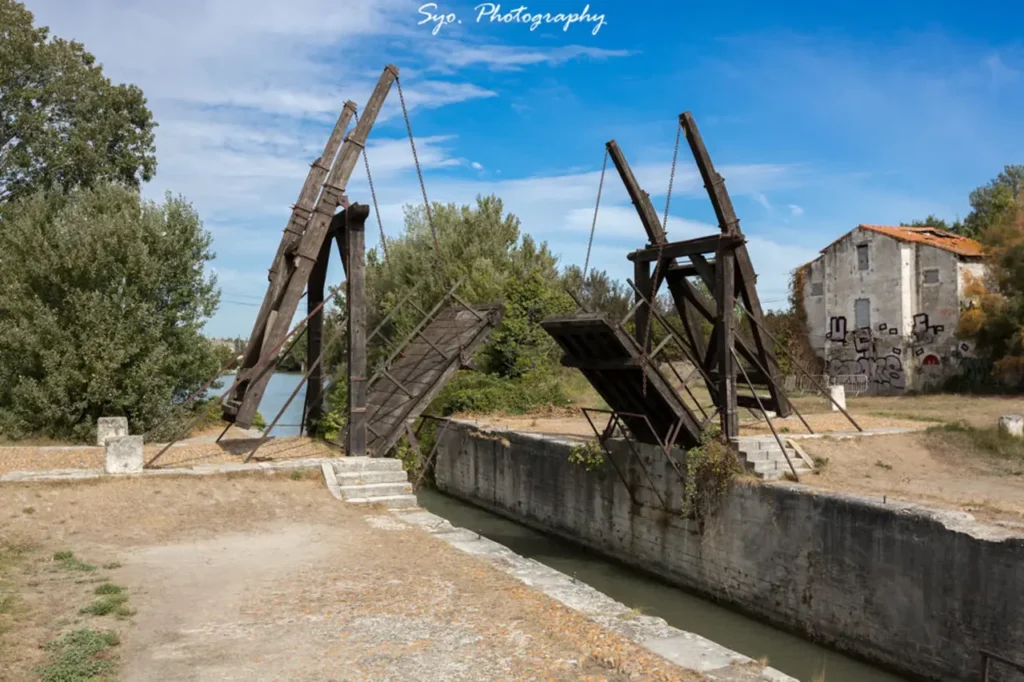
The Van Gogh Bridge (originally Pont de Langlois) sits outside town on the Rhône River. Vincent’s 1888 painting of this drawbridge made it world-famous, and in 1960 it was carefully restored to match his artistic vision.
Walking through all of Arles following Vincent’s footsteps, you can sense he must have experienced many wonderful moments here. Sure, things ended badly with Gauguin, but this place ignited his creative fire. It was here that he sold his only painting during his lifetime – “The Red Vineyard at Arles.” Interestingly, this work echoed Gauguin’s “Grape Harvest at Arles,” and Vincent even dressed the local Arles women in traditional Breton costumes, showing how the two artists influenced each other even as their relationship soured.
La Maison Jaune
At the corner of Place Lamartine stands a yellow house with green shutters – this was Vincent’s home in Arles. The original “Yellow House” was actually destroyed during WWII, so what you’re seeing today is a faithful reconstruction.
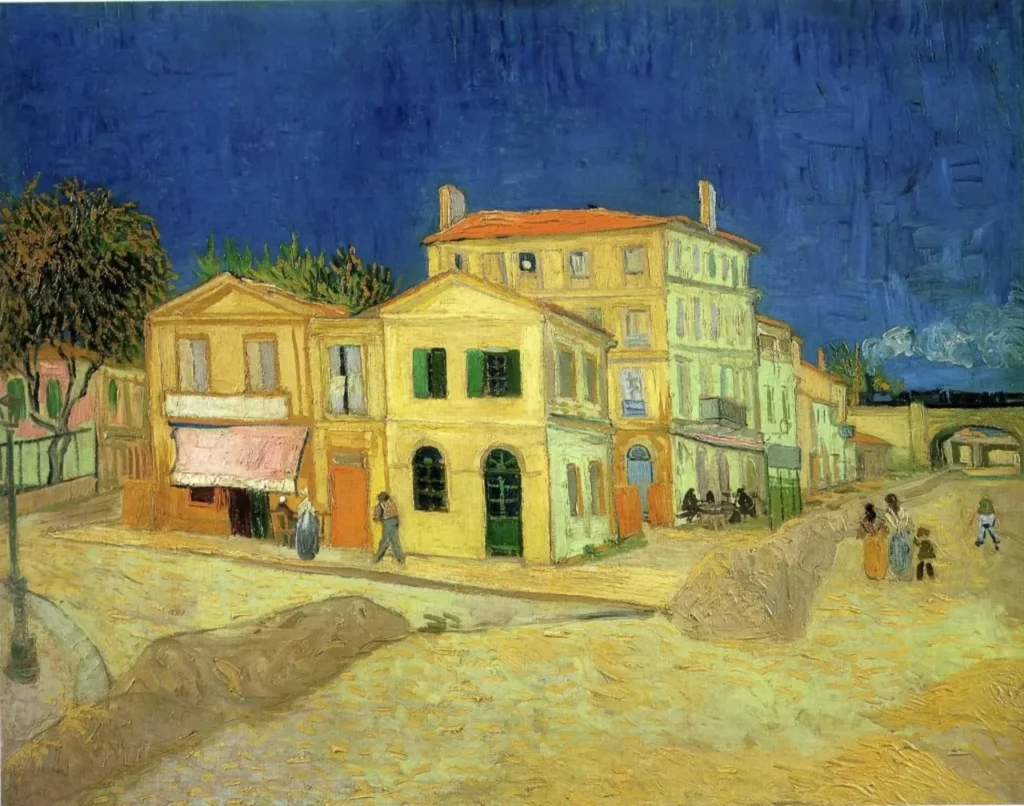
This was where Vincent truly settled down in the warm, sun-drenched southern French town of Arles. With vast fields stretching in every direction and the kind of light that made you want to sit at any roadside café with a coffee, Vincent finally found his sanctuary. Thanks to his brother Theo’s financial support, he could afford to make this place his home.
Essential Van Gogh Trail Tips
Follow the Yellow Markers: In Arles, look for yellow signs. The town thoughtfully placed painting reproductions at each of Vincent’s nine key locations for easy comparison.
The Van Gogh Bridge (Pont de Langlois): This one is outside Arles town center. If driving, go there first. If walking, save it for last to avoid backtracking.
Les Alyscamps: This historic Roman cemetery, painted by both Van Gogh and Gauguin, requires a separate ticket and has specific hours. Plan accordingly.
Check Opening Times: Always confirm hours for museums (like Musée d’Orsay) and sites in Arles to avoid disappointment.
