
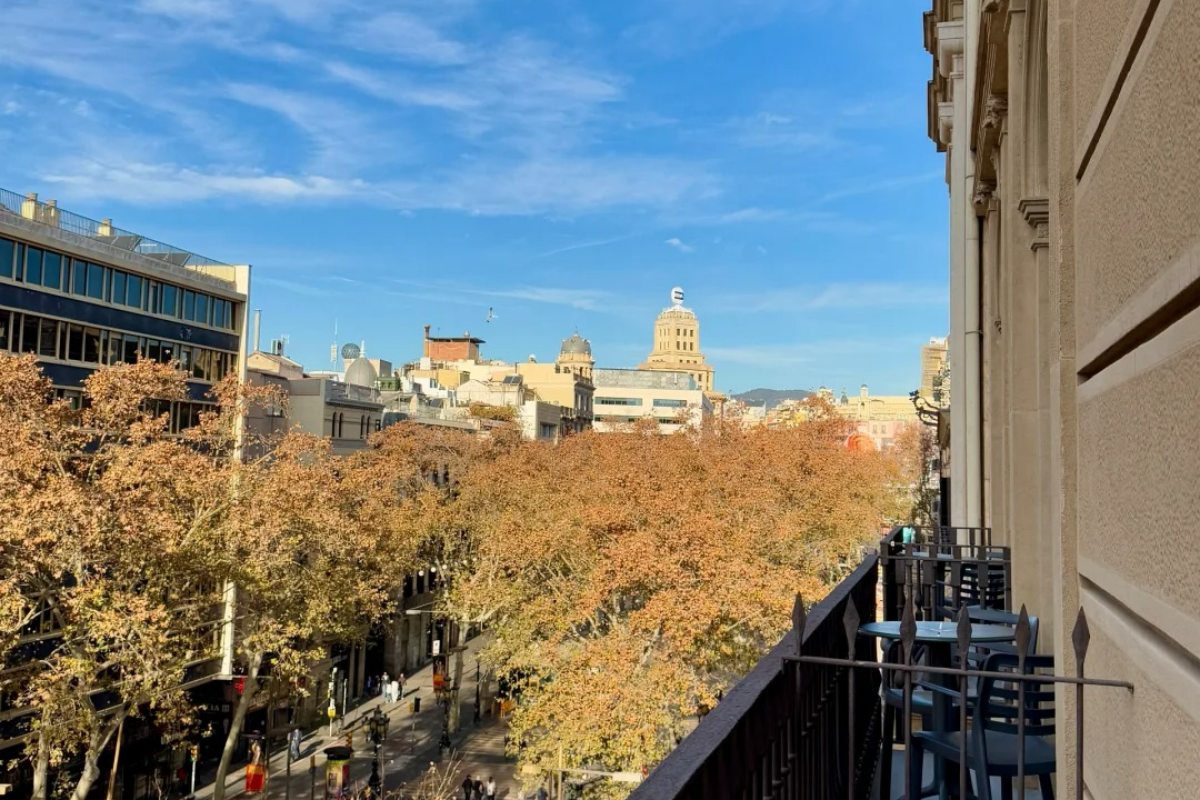
Barcelona’s accommodation scene is refreshingly diverse, offering everything from luxury hotels overlooking the Mediterranean to cozy local apartments where you can live like a Barcelonian. After years of visits and countless conversations with fellow travelers, here’s the insider scoop on where first-time visitors should (and shouldn’t) base themselves.
Your Accommodation Options: What’s Actually Available
Hotels: From boutique gems to international chains, Barcelona covers every star rating and budget level. Expect modern amenities and professional service, but remember you’re paying for convenience over character.
Tourist Apartments (Apartamento Turístico): These legal short-term rentals come with kitchens and washing machines – perfect for longer stays or families. They’re regulated, safe, and often better value than hotels for extended visits.
Airbnb and Local Stays: Staying with locals offers authentic experiences and insider tips, though availability has tightened due to new regulations. When available, these options provide genuine neighborhood immersion.
Youth Hostels: Barcelona’s hostel scene is excellent, with many offering private rooms alongside traditional dorms. Even if you’re not backpacking, hostels can be great social hubs and value options.
The Best Neighborhoods for First-Timers
Eixample: The Goldilocks Zone (Highly Recommended)
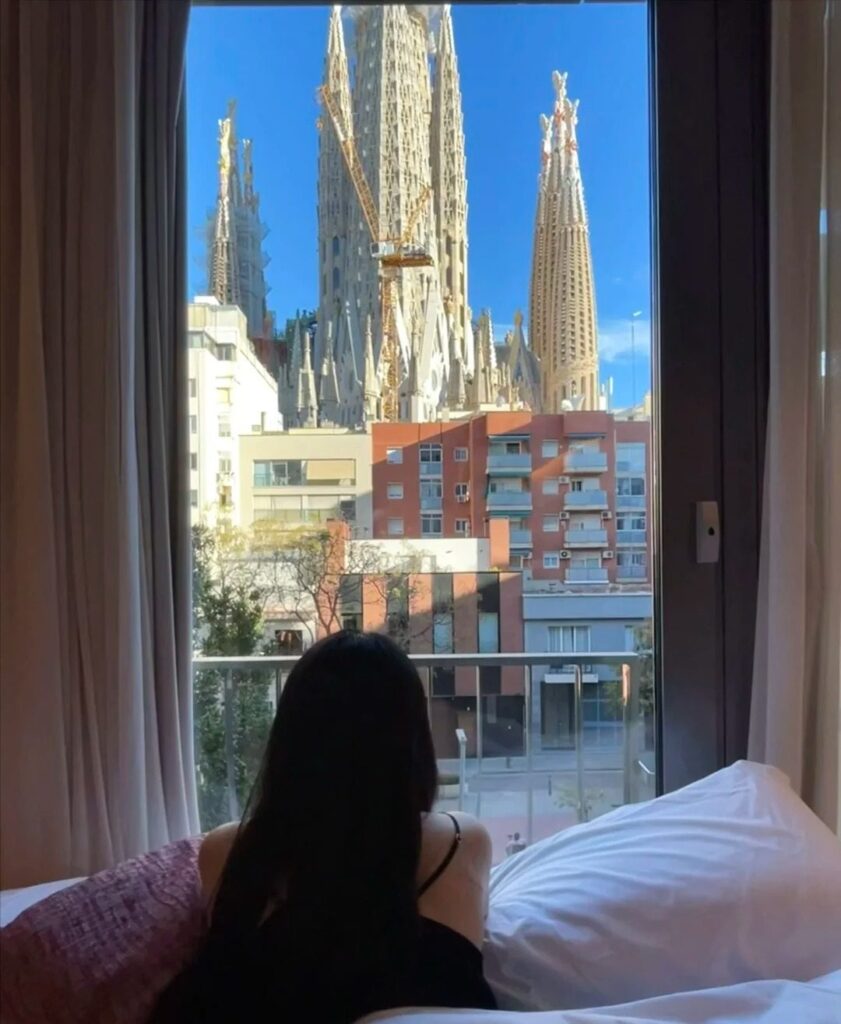
This is where most experienced Barcelona visitors choose to stay, and for excellent reasons. The Eixample’s grid layout makes navigation foolproof – you literally cannot get seriously lost here. The neighborhood surrounds you with Gaudí masterpieces, excellent restaurants, and efficient transport links.
Why beginners love it: Wide streets, clear sightlines, and easy metro access. You’re walking distance from major attractions but staying in a genuinely local area.
Bonus points: The famous Passeig de Gràcia shopping street runs right through it, and you’ll find better restaurant prices than in the touristy old town.
Gràcia: The Village Within the City
This bohemian neighborhood feels like a separate village that Barcelona grew around. It’s where young locals actually live, creating an authentic atmosphere that tourist areas can’t match.
Perfect for: Travelers who want evening neighborhood life, excellent local restaurants, and a more relaxed pace. The metro connects you easily to major sights.
Character bonus: Gràcia’s narrow streets and small plazas create an intimate atmosphere that makes you feel like a temporary local rather than a tourist passing through.
Neighborhoods to Approach Carefully
Gothic Quarter: Beautiful but Complicated
The Gothic Quarter’s medieval charm is undeniable, but it’s not always the best choice for first-time visitors, despite what many guidebooks suggest.
The reality: Extremely narrow streets make navigation confusing, especially at night. Tourist restaurants cluster around major sights, often with inflated prices and mediocre food.
If you must stay here: Choose accommodations closer to Plaça Catalunya rather than near the waterfront. The closer you get to Las Ramblas, the more touristy (and expensive) everything becomes.
El Raval: Authentic but Requires Street Smarts
El Raval has transformed dramatically in recent years, but it still requires more urban awareness than other neighborhoods.
The honest truth: While much safer than its reputation suggests, some streets feel genuinely sketchy after dark. It’s multicultural and fascinating, but not ideal for nervous first-timers.
Local tip: If you’re drawn to the area’s energy, stick to accommodations near major streets and cultural institutions rather than deep in the narrow alleys.
El Born: Trendy but Tourist-Heavy
El Born offers incredible restaurants and boutique shopping, but its popularity has made it feel somewhat artificial.
Choose wisely: Stay on wider streets like Carrer del Rec or near Santa Maria del Mar basilica. Avoid the tiniest alleys where you’ll hear nothing but tourist groups at all hours.
Waterfront Areas: Pros and Cons
Barceloneta Beach Area: Wake up to Mediterranean views and beach access, but expect resort-style pricing and crowds. Great for beach-focused trips, less ideal for cultural exploration.
Port Olympic: Modern hotels with excellent facilities but limited neighborhood character. You’ll need transport to reach the city’s main attractions.
Why locals rarely recommend it: These areas empty out in the evenings, leaving you with expensive tourist restaurants rather than authentic local dining.
Booking Smart: Insider Strategies
Timing Your Reservation
Summer surge: June through September sees dramatic price increases across all accommodation types. Book months ahead or consider shoulder seasons for better value.
Weekend warriors: Friday and Saturday nights cost significantly more, especially when FC Barcelona plays at home. Check the football schedule when planning your trip.
Local events: The Mobile World Congress, music festivals, and major trade shows can double accommodation prices overnight.
What Actually Matters
Transport connections: A metro station within two blocks beats a slightly cheaper place that requires multiple transport changes.
Street width: In Gothic Quarter and El Born, wider streets mean less noise, easier navigation, and better safety sightlines.
Neighborhood grocery stores: Having a local supermarket nearby saves money and adds authenticity to your stay.
Budget Realities for 2025
Budget range: €25-45/night for hostels, €60-120/night for tourist apartments, €80-200+/night for hotels Sweet spot: €90-130/night typically gets you excellent tourist apartments or good 3-4 star hotels in prime locations Luxury splurge: €200+/night for boutique hotels or premium locations with special amenities
Red Flags to Avoid
Unlicensed rentals: Always book accommodations with proper tourist licenses (look for official registration numbers) Too-good-to-be-true prices: Extremely cheap places in prime locations often have hidden issues or misleading photos No reviews: In Barcelona’s competitive market, legitimate places accumulate reviews quickly
The Bottom Line for First-Timers
Choose Eixample or Gràcia for your first Barcelona visit. You’ll pay slightly more than fringe areas, but the convenience, safety, and authentic local atmosphere are worth every euro. Save the Gothic Quarter exploration for daytime wandering rather than nighttime navigation, and remember that being near a metro station matters more than being next to a famous landmark.
Barcelona rewards visitors who choose their base wisely. Pick the right neighborhood, and you’ll spend less time figuring out logistics and more time falling in love with this Mediterranean masterpiece.
